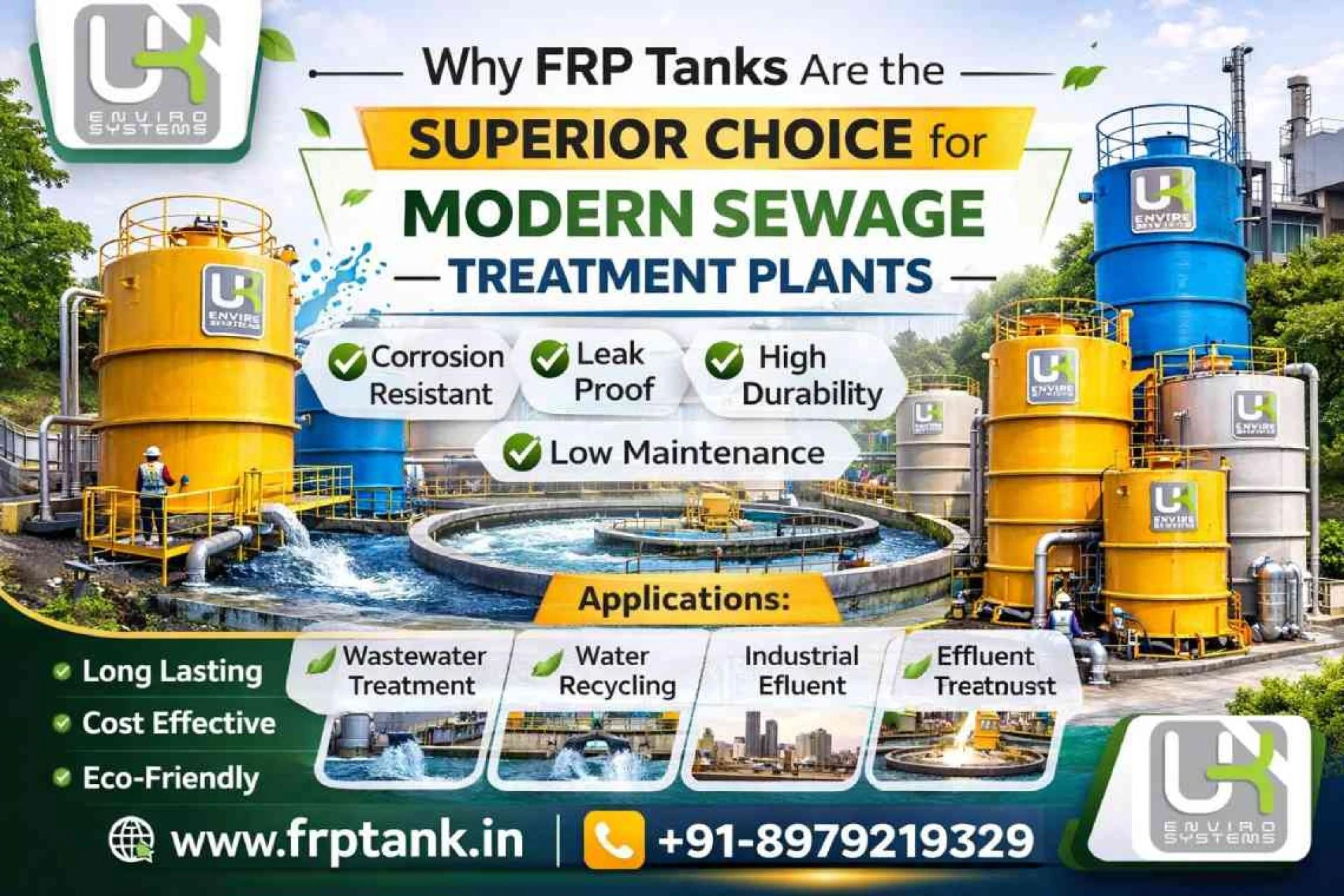

The landscape of wastewater management is evolving rapidly. Modern sewage treatment facilities face immense pressure. They must handle increasing volumes. They must also meet stringent environmental regulations. Above all, they require durability and efficiency. Choosing the right equipment is critical for success. The tank is the heart of any treatment plant. It must withstand harsh conditions daily. For decades, traditional materials like concrete and steel dominated the market. However, a clear leader has emerged in recent years. That leader is Fiberglass Reinforced Plastic (FRP). Facilities worldwide are now selecting FRP Tanks for Sewage Treatment Plants. This shift represents a move toward longevity and reliability. UK Enviro Systems specializes in these advanced solutions. We understand the demands of modern infrastructure. Our expertise ensures you get the best product available. This article explores why FRP has become the superior choice. We will examine its benefits from every angle. You will see why it outperforms conventional options.
The Inherent Flaws of Traditional Tank Materials
To appreciate FRP, we must first look at its predecessors. Concrete and steel have a long history in this industry. They served their purpose for many years. However, they come with significant drawbacks. These flaws lead to high maintenance costs. They also cause operational headaches for plant managers.
The Corrosion Dilemma with Steel
Steel is strong, but it has a critical weakness. It rusts. Sewage treatment environments are incredibly corrosive. They contain moisture, acids, and gases. Hydrogen sulfide gas is a common byproduct. This gas converts to sulfuric acid in the pipes. It attacks carbon steel relentlessly. Even stainless steel can suffer in high-chloride environments. Corrosion leads to leaks and structural failure. This requires frequent repainting and repairs. Eventually, the tank must be replaced entirely. This cycle is expensive and disruptive.
The Structural Issues with Concrete
Concrete also faces its own set of problems. It is porous by nature. Wastewater chemicals penetrate the surface. This causes the concrete to deteriorate from within. The reinforcing steel bars (rebar) inside can rust. As the rebar rusts, it expands. This expansion causes the concrete to crack and spall. This is often called "concrete cancer." Repairs are difficult and costly. The weight of concrete also poses challenges. It requires massive foundations. Installation is labor-intensive and slow.
Why FRP Excels in Harsh Chemical Environments
This is where FRP truly shines. Its material composition is perfectly suited for the task. FRP Tanks for Sewage Treatment Plants offer unmatched chemical resistance. They are engineered to handle aggressive media. They do not rust or corrode like metals. They do not spall or crack like concrete. This resistance is built into the material itself.
Superior Resistance to Corrosive Agents
FRP is a composite material. It consists of a polymer matrix reinforced with fibers. The resin acts as a barrier. It protects the tank from chemical attack. We can choose specific resins for specific applications. For example, isophthalic polyester resin offers excellent water resistance. Vinyl ester resin provides superior protection against acids and solvents. This versatility is a massive advantage. It means the tank interior remains smooth and intact. There is no degradation of the tank wall. The structural integrity remains intact for decades. This directly reduces long-term costs.
Impermeable Barrier Protection
Unlike concrete, FRP is non-porous. It provides a monolithic barrier. Water and chemicals cannot seep through the tank wall. This prevents external contamination of the surrounding soil. It also stops the formation of corrosive compounds on the exterior. The smooth interior surface has another benefit. It prevents solids from building up. This maintains the tank's full working volume. It also makes cleaning and maintenance much easier.
Unmatched Durability and Longevity
Durability is a primary concern for any capital investment. Sewage treatment plants operate 24/7. Downtime is not an option. Tanks must withstand physical stress and environmental factors. FRP Tanks for Sewage Treatment Plants are designed to last. They offer a service life that often exceeds traditional materials. This longevity translates directly to a better return on investment.
Built to Withstand the Elements
FRP is not just chemically resistant. It is also incredibly tough. It has a high strength-to-weight ratio. This means it can handle heavy loads without being heavy itself. The material has excellent fatigue resistance. It can withstand constant vibration and pressure cycles. Furthermore, FRP does not succumb to UV degradation. We add UV inhibitors to the resin. This protects the tank if it is installed above ground. It ensures the material does not become brittle from sun exposure.
Impact and Seismic Resilience
Modern facilities need to consider extreme events. FRP offers excellent impact resistance. It can absorb energy without cracking. This makes it ideal for high-traffic areas. Its lightweight nature is also a major safety feature. In the event of an earthquake, a lighter tank experiences less stress. The material's flexibility allows it to sway with the ground motion. Concrete and rigid steel tanks are more likely to fail during seismic activity.
The Economic Advantage of FRP
Cost is always a deciding factor. It is important to look beyond the initial purchase price. You must consider the total cost of ownership. This includes installation, maintenance, and operation. FRP wins in every category.
Lower Installation Costs
We have already mentioned the lightweight nature of FRP. This is a huge logistical and financial benefit. A heavy steel or concrete tank requires heavy lifting equipment. It needs reinforced foundations. This adds time and expense to the project. FRP tanks are much lighter. They are easier to transport to the site. They require simpler, less expensive foundations. Installation is faster and requires fewer workers. This gets your plant operational sooner. It saves money from day one.
Minimal Maintenance Requirements
The long-term savings are even more significant. FRP Storage Tank Manufacturers have perfected the art of creating a maintenance-free product. Because FRP does not corrode, you do not need to paint it. You do not need to apply costly protective coatings. There is no need for cathodic protection systems. You also avoid the expense of repairing rust damage or concrete spalling. Over a 30-year lifespan, these savings are enormous. Your maintenance team can focus on other critical tasks. They will not be constantly repairing the tanks.
Energy Efficiency and Operational Savings
FRP also offers subtle operational savings. The smooth interior surface reduces friction loss. This means pumps work less hard to move water through the system. This results in lower energy consumption. Additionally, FRP is a thermal insulator. It helps maintain a consistent temperature inside the tank. This can be beneficial for certain biological treatment processes. It reduces the energy needed for heating or cooling.
Versatility in Design and Application
Every sewage treatment plant is unique. They have different space constraints and process requirements. FRP offers incredible design flexibility. You are not limited to standard cylindrical shapes. Sewage Treatment Plants Tank Manufacturers utilize FRP to create custom solutions.
Customization for Specific Needs
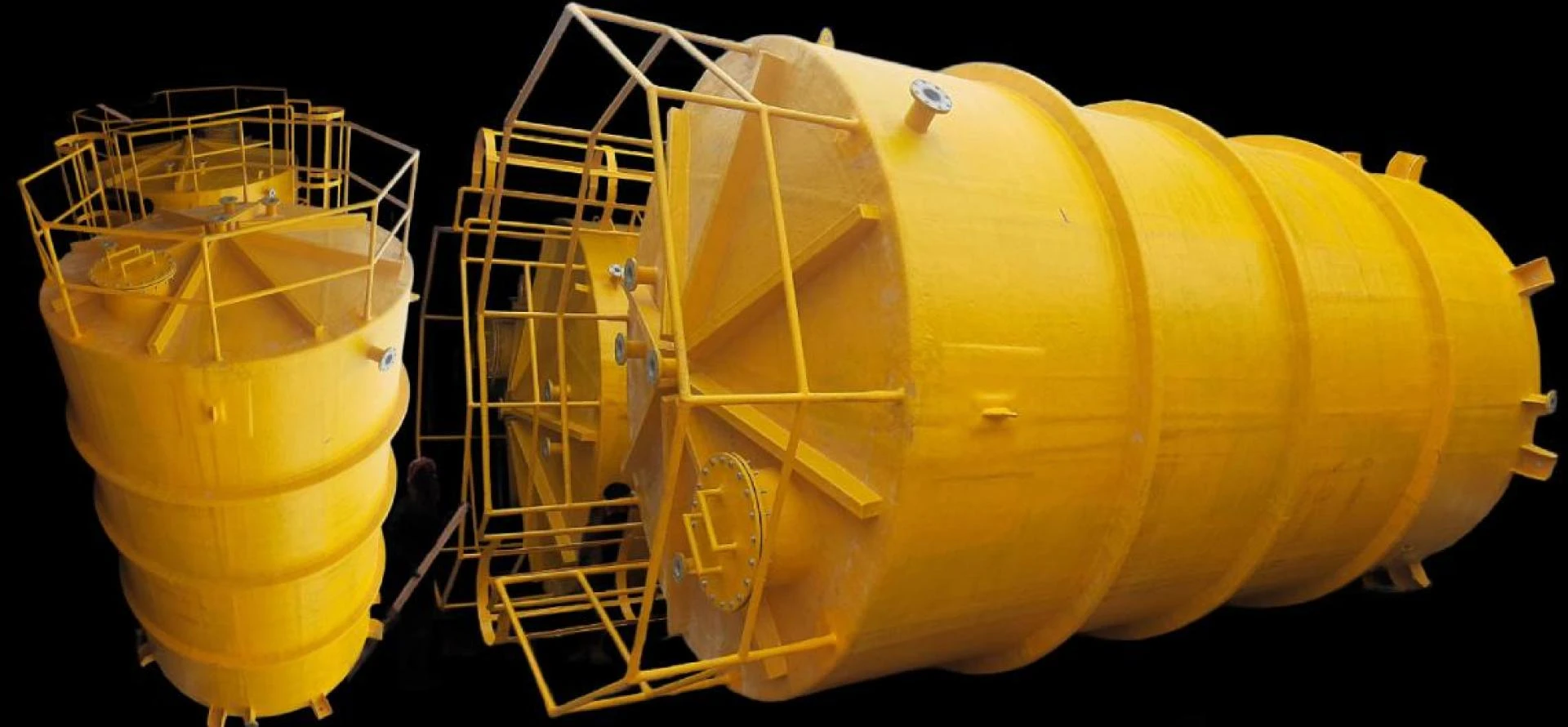
FRP is manufactured using a molding process. This allows for complex geometries. We can create tanks with integrated baffles. We can add special nozzles and manways exactly where you need them. We can build vertical tanks, horizontal tanks, and rectangular tanks. This customization ensures a perfect fit for your plant layout. It optimizes the hydraulic flow within the tank. This improves the overall efficiency of the treatment process.
Integration with Treatment Processes
Modern treatment plants use various processes. These include aeration, clarification, and digestion. FRP tanks can be designed for any of these. For instance, we can engineer tanks to handle the mixing forces of aerators. We can also design them for specific pressure requirements. Furthermore, FRP is an ideal material for Chemical Storage Tanks used on-site. Plants often need to store chemicals like sodium hypochlorite or ferric chloride. These aggressive chemicals are safely contained in FRP. Similarly, many plants require Acid Storage Tank Manufacturers to provide vessels for pH adjustment. FRP is the standard for handling sulfuric acid and hydrochloric acid. UK Enviro Systems has the expertise to manufacture all these variants.
The Environmental Impact
Sustainability is a core principle of modern engineering. Choosing the right tank material has an environmental impact. FRP is a responsible choice for several reasons.
A Sustainable Manufacturing Process
The production of FRP consumes less energy than steel or concrete. It does not require the high-heat smelting of iron ore. It also avoids the high CO2 emissions of cement production. The long lifespan of FRP also contributes to sustainability. A tank that lasts 50 years uses fewer resources than one replaced every 20 years. It reduces the amount of material sent to landfills.
Preventing Leaks and Spills
Protecting the environment is the primary goal of sewage treatment. A leaking tank is an environmental disaster. It allows untreated waste to contaminate groundwater. The corrosion-resistant properties of FRP virtually eliminate this risk. The monolithic structure ensures a leak-proof vessel. This gives plant operators and regulators peace of mind. It ensures the facility operates safely and responsibly.
Partnering with Leading Manufacturers
The quality of your tank depends on the quality of its construction. You need a partner with proven expertise. UK Enviro Systems is a leader in this field. We are trusted FRP Storage Tank Manufacturers serving a global market. Our commitment to quality is unwavering. We use the latest manufacturing techniques. We employ rigorous quality control standards. This ensures every tank we ship meets the highest performance criteria.
Our reputation extends beyond standard products. Industries that handle hazardous materials seek us out. We are recognized as reliable Acid Storage Tank Manufacturers. We understand the critical safety requirements involved. We apply that same high standard to every tank we produce. When you choose us for your Sewage Treatment Plants Tanks, you choose peace of mind. You get a product engineered for your specific challenges.
Conclusion
The evidence is clear. Modern sewage treatment plants demand modern solutions. Traditional materials like steel and concrete are no longer the best option. They bring inherent weaknesses to the job site. FRP Tanks for Sewage Treatment Plants solve these problems. They offer unmatched corrosion resistance. They provide incredible durability and strength. They are lightweight and easy to install. Most importantly, they save money over their long service life. They also offer the design flexibility needed for today's complex processes. From basic storage to handling aggressive chemicals, FRP is the answer.
At UK Enviro Systems, we are proud to be at the forefront of this technology. We are dedicated to delivering top-quality FRP Tanks to industries worldwide. We believe in providing solutions that protect our clients' investments. We also believe in protecting the environment. By choosing FRP, you are making a choice for the future. You are choosing a material that will perform reliably for decades. Contact us today to learn more about how our tanks can benefit your next project. Let us help you build a treatment plant that stands the test of time.



























Sign in to leave a comment.