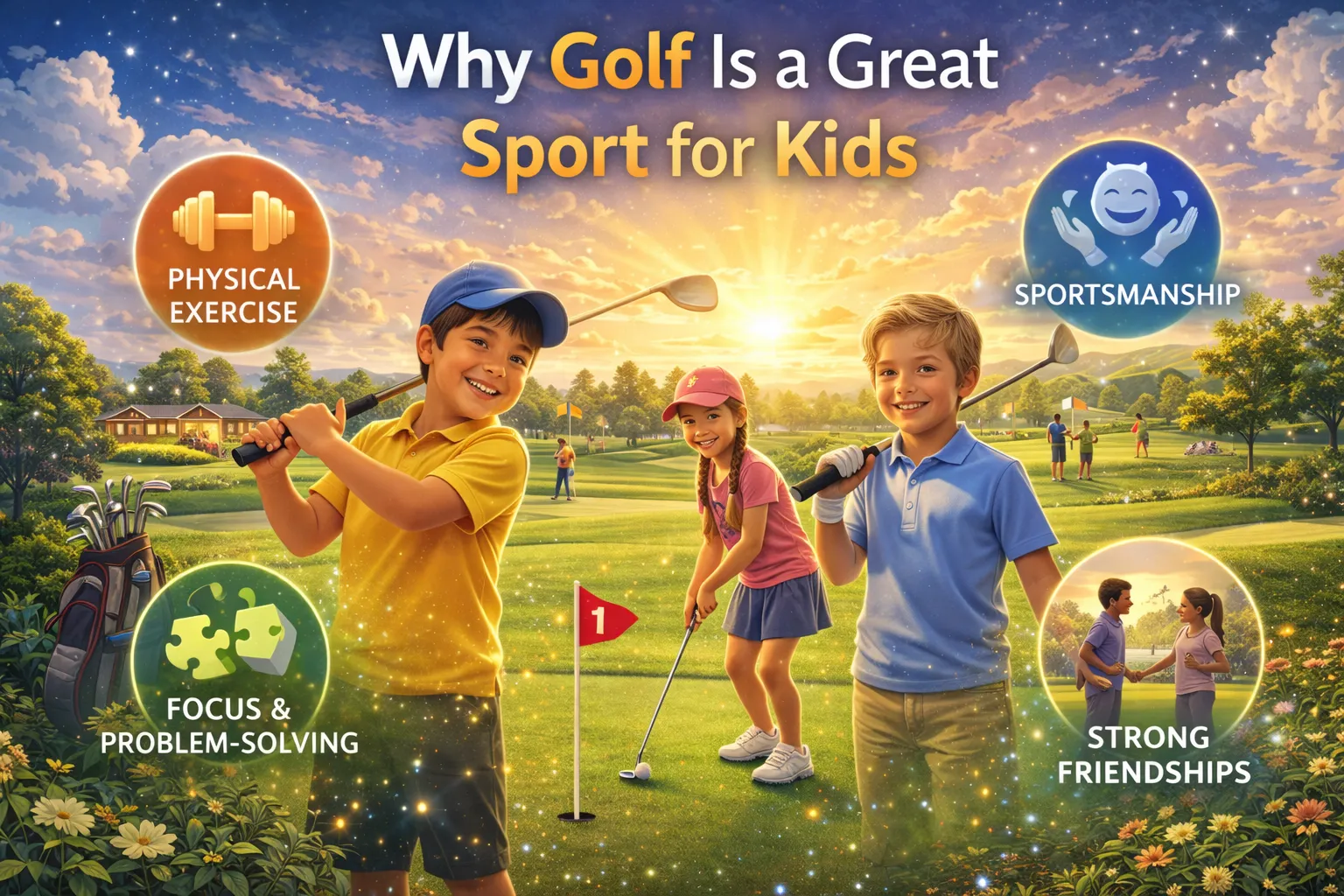

Golf has long been considered a sport for adults, but here's something interesting, more families are discovering the tremendous benefits it offers young players. From developing physical skills to building character traits that last a lifetime, golf provides children with unique opportunities for growth and development. What makes it particularly special? Unlike many team sports that require specific physical attributes or peak at certain ages, golf is a sport that can be enjoyed from early childhood through adulthood. This makes it an exceptional choice for kids of all abilities and backgrounds, regardless of their starting point.
Physical Development and Coordination Benefits
Golf offers remarkable opportunities for children to develop their physical abilities in a low-impact, sustainable way. The sport requires kids to master complex motor skills, hand-eye coordination, balance, and spatial awareness, all of which are crucial during those developmental years. Think about it: each swing involves a full-body movement that engages multiple muscle groups, helping children build core strength, flexibility, and overall fitness without the high-impact stress associated with contact sports. The walking component of golf also provides excellent cardiovascular exercise, with young players often covering several miles during a typical round.
Mental Skills and Strategic Thinking
Golf is often described as a mental game, and this aspect makes it particularly valuable for young minds to still develop critical thinking skills. Here's what makes it fascinating: every shot requires children to assess variables such as distance, wind conditions, terrain, and obstacles, effectively turning each hole into a real-time problem-solving exercise. Kids learn to think about several shots ahead, planning their strategy for approaching the green while managing risks and rewards with each decision. This strategic thinking extends beyond the course, helping children develop planning skills and logical reasoning that prove valuable in academic settings.
Character Building and Life Lessons
Perhaps no sport teaches integrity and personal responsibility quite like golf, where players are expected to be their own referees and maintain honesty even when no one's watching. Children learn the importance of following rules, calling penalties on themselves, and maintaining the highest standards of sportsmanship throughout their rounds. This self-governance builds a strong moral foundation and teaches kids that doing the right thing matters more than winning at any cost. Golf also provides invaluable lessons in patience and perseverance, as improvement comes gradually through consistent practice and dedication rather than overnight success.
Social Interaction and Multigenerational Bonding
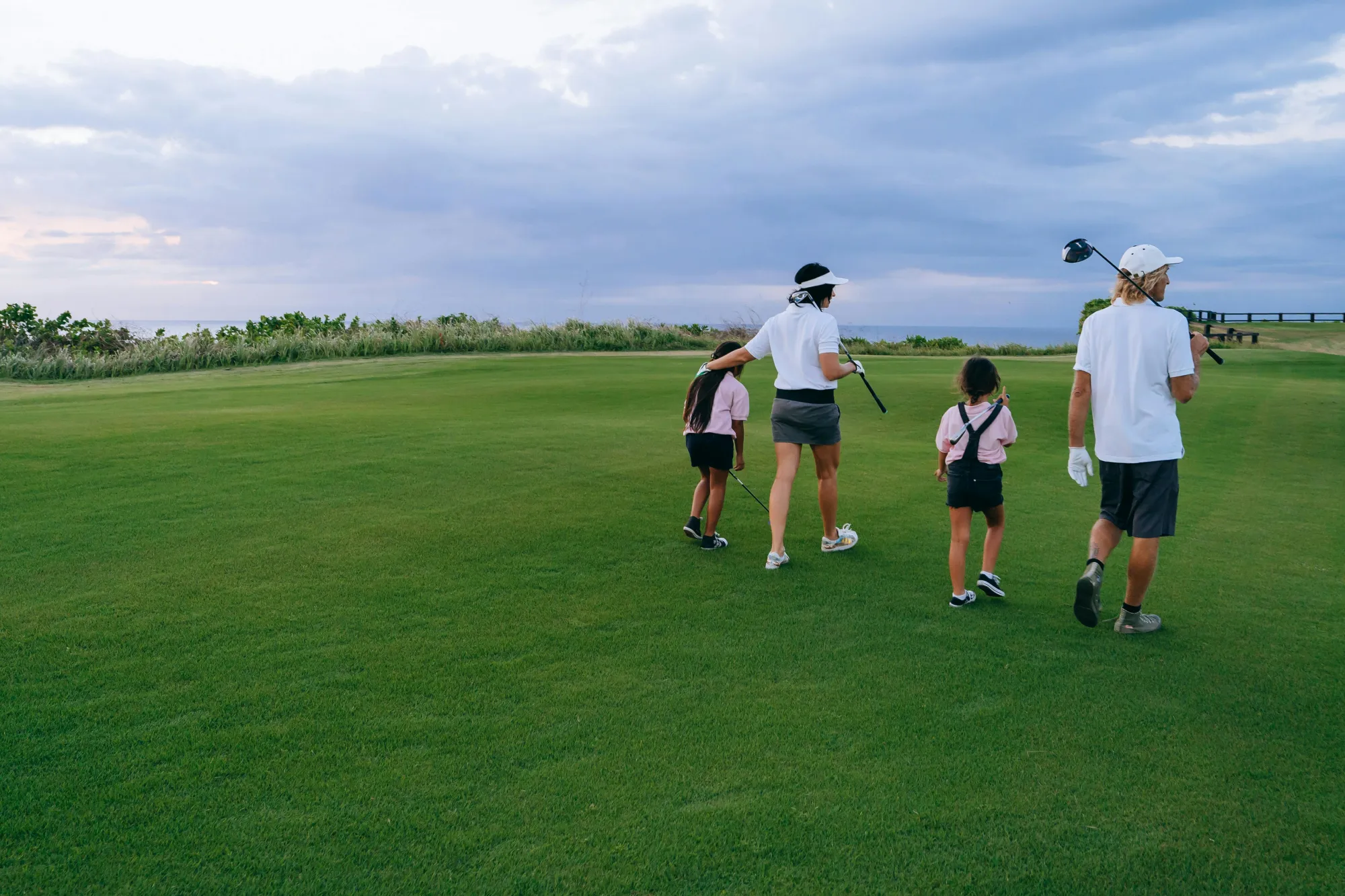
Golf provides unique opportunities for children to interact with people of all ages in a respectful, social environment that promotes positive relationships. Unlike many youth sports that segregate age groups, golf allows kids to play alongside adults, learning social skills and etiquette while building connections across generations. Young golfers develop communication skills, learn proper behavior in various settings, and gain confidence interacting with diverse groups of people. The pace of golf also creates natural opportunities for conversation and relationship building, as players spend several hours together navigating the course.
Lifetime Accessibility and Inclusivity
One of golf's greatest advantages for kids is its accessibility across different ages, abilities, and physical characteristics. Unlike sports that favor specific body types or peak during certain age ranges, golf can be enjoyed equally by tall or short, fast or slow, athletic or less coordinated children. The handicap system ensures that players of different skill levels can compete fairly, removing the discouragement that often comes when less talented kids face off against natural athletes. Golf courses exist in virtually every community, providing ample opportunities for play regardless of geographic location or economic background, with many facilities offering junior programs and reduced rates for young players. When introducing children to the sport, properly fitted kids golf clubs help ensure young players develop correct techniques and build confidence from their earliest rounds. The sport's scalability means children can start with putting and chipping before progressing to full swings, allowing them to build confidence gradually at their own pace. As kids grow and develop, golf grows with them, adapting to their changing abilities and remaining enjoyable throughout their lives. This longevity makes golf an excellent investment of time and energy, as skills learned in childhood provide a foundation for lifelong enjoyment and recreation that continues well into retirement years.
Academic and Career Opportunities
Golf's popularity among young people has created numerous pathways for academic and professional advancement that extend well beyond childhood recreation. High school golf programs offer kids opportunities to represent their schools, develop leadership skills, and build athletic resumes that can enhance college applications. College golf scholarships provide significant financial assistance for higher education, with hundreds of universities offering programs for talented junior golfers who've developed their skills throughout childhood. The business world's affinity for golf creates networking opportunities that can benefit young adults entering the workforce, as many professional relationships and business deals are built on golf courses around the world.
Conclusion
Golf offers children an exceptional combination of physical development, mental challenge, character building, and social interaction that few other sports can match. The skills and values learned on the golf course extend far beyond the game itself, shaping children into well, rounded individuals with strong moral foundations and diverse capabilities. As a sport that can be enjoyed throughout life regardless of age or ability level, golf provides kids with a recreational activity that grows with them, offering enjoyment and challenge at every stage of their development. Whether children pursue competitive golf or simply enjoy casual rounds with family and friends, the benefits of starting young create advantages that last a lifetime, making golf one of the most rewarding sports parents can introduce to their kids.























Sign in to leave a comment.