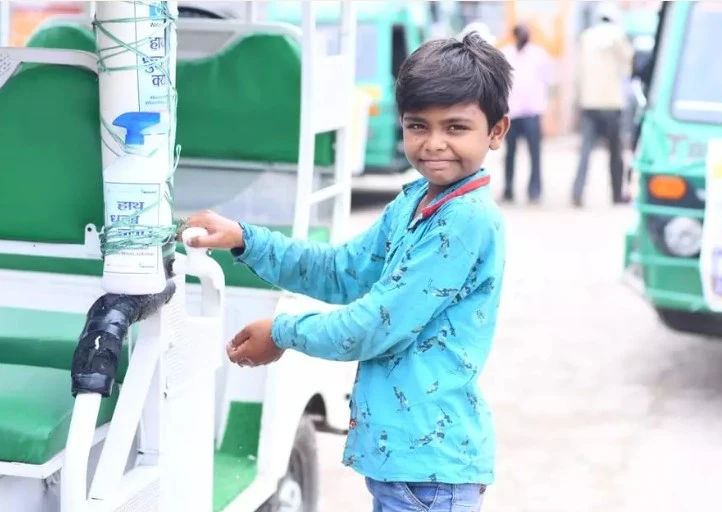

Good hygiene is one of the simplest and most powerful ways to protect health, dignity and nutrition, especially when combined with clean water and decent toilets. WaterAid India’s community programmes show that when people understand and adopt key hygiene behaviours, the impact ripples through families, schools and entire neighbourhoods.
Why good hygiene matters
WaterAid India’s good hygiene page explains that personal hygiene and a clean environment are essential for a healthy life, because they prevent contamination and reduce the spread of infectious diseases. The focus is on everyday behaviours—handwashing at critical times, safe handling of food and water, using toilets correctly, and menstrual health and hygiene management—as the foundation of being healthy and hygienic.
More broadly, WaterAid India’s hygiene hub emphasises that water, sanitation and hygiene (WASH) together are critical to break cycles of illness and poverty.
Core hygiene behaviours WaterAid India promotes
According to the good hygiene page, WaterAid India prioritises three core areas: hand hygiene, food and water hygiene, and menstrual health and hygiene management. Communities are encouraged to wash hands with soap for at least 30 seconds at key moments (after using the toilet, before eating or preparing food, after cleaning a child), store drinking water safely, wash utensils and vegetables before cooking, and cover food after preparation.
The same page notes that menstrual health sessions work to dispel myths and taboos, provide accurate information on menstruation, support informed product choices, and promote safe disposal of menstrual waste so that women and adolescents can manage periods safely and with dignity.
How WaterAid India drives hygiene behaviour change
WaterAid India describes its approach as continuous “nudging” for behaviour change through regular community meetings, hygiene sessions and campaigns on global days like Global Handwashing Day and World Toilet Day These sessions are organised in communities, schools, anganwadis and healthcare facilities so that hygiene becomes a normal, shared expectation rather than a oneoff message.
The WASH overview explains that these efforts are integrated with secure water and sanitation so that people have both the knowledge and the means to practice good hygiene.
Community impact: lives changed through hygiene
A case story from WaterAid India shares how Gujri Devi, a Dalit woman, transformed her family’s health after attending hygiene sessions and learning the importance of handwashing with soap. She now advocates hygiene practices in her village, showing how one person’s shift from curiosity to commitment can inspire wider change.
Another story, “From curiosity to commitment: Janaki’s journey towards hygiene awareness”, highlights how WaterAid’s campaigns on handwashing, menstrual hygiene and sanitation turned a young woman into a local hygiene champion who regularly motivates others to adopt healthy habits.
The ripple effect of good hygiene
WaterAid India notes that consistent hygiene practices, supported by inclusive WASH services, have a ripple effect that reaches far beyond fewer sick days. Good hygiene helps children stay in school, adults work more reliably, women and girls move with greater confidence, and communities build resilience against outbreaks and health emergencies.
At a national level, WaterAid India’s impact figures show that in 2024–25, hygiene education and best practices were imparted to over 1,04,983 people, reinforcing how behaviour change sits at the heart of its mission to make clean water, decent toilets and good hygiene normal for everyone.





























Sign in to leave a comment.