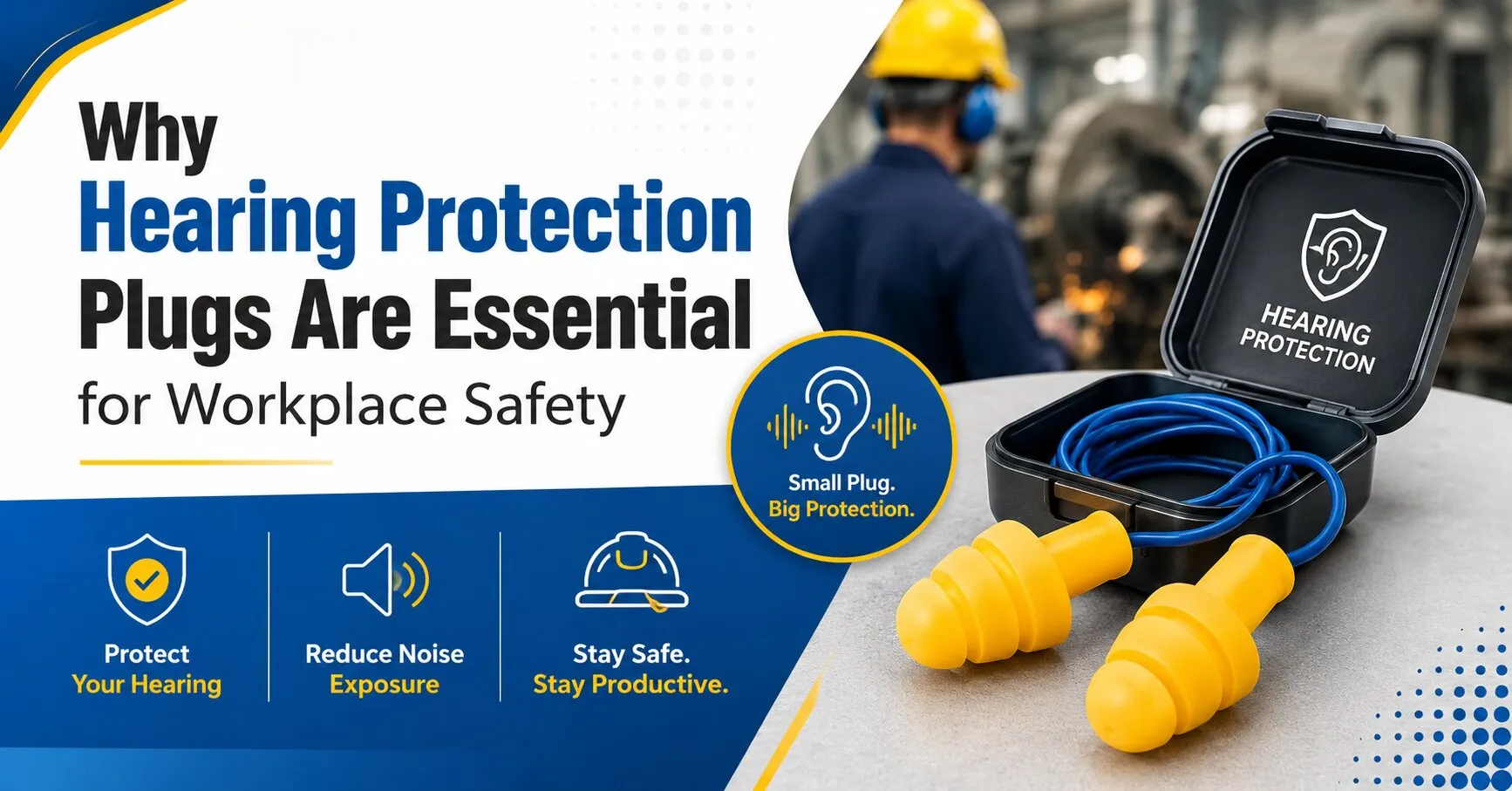

Workplace safety goes beyond preventing visible injuries. Protecting employees from long-term health risks, including hearing damage, is equally important. In industries where loud machinery, construction equipment, manufacturing processes, and heavy tools are part of daily operations, hearing protection should never be overlooked. Using a high-quality ear plug is one of the simplest and most effective ways to safeguard workers from excessive noise exposure. Employers who invest in reliable hearing protection not only comply with workplace safety regulations but also create a healthier, more productive work environment.
Noise-induced hearing loss is one of the most common occupational health issues worldwide. Unlike many workplace injuries, hearing damage often develops gradually, making it difficult to detect until it becomes permanent. This is why hearing protection plugs have become an essential component of every workplace safety program.
Understanding Workplace Noise Hazards
Many industries expose workers to sound levels that exceed safe limits. Continuous exposure to high-decibel environments can cause irreversible hearing damage over time.
Common workplaces with high noise levels include:
- Construction sites
- Manufacturing plants
- Metal fabrication units
- Mining operations
- Airports
- Warehouses
- Woodworking industries
- Power generation facilities
- Automotive workshops
- Oil and gas facilities
Even office workers may experience temporary hearing fatigue when exposed to prolonged loud environments, although industrial workers remain at the highest risk.
What Are Hearing Protection Plugs?
Hearing protection plugs are personal protective equipment (PPE) designed to reduce the amount of sound entering the ear canal. They fit comfortably inside the ear and help lower harmful noise levels while allowing users to remain aware of important workplace sounds.
They are available in several varieties, including:
- Disposable foam ear plugs
- Reusable silicone ear plugs
- Custom-molded ear plugs
- Corded ear plugs
- Electronic noise-filtering ear plugs
Selecting the right hearing protection depends on the work environment, noise level, comfort requirements, and duration of use.
Why Hearing Protection Is So Important
Many workers underestimate the risks associated with prolonged noise exposure because hearing damage usually occurs slowly. Once hearing loss develops, it cannot usually be reversed.
Proper hearing protection helps prevent:
- Permanent hearing loss
- Ringing in the ears (tinnitus)
- Reduced concentration
- Communication difficulties
- Workplace accidents caused by missed warning signals
- Fatigue from constant noise exposure
Protecting hearing today helps preserve long-term quality of life.
The Long-Term Effects of Noise Exposure
Continuous exposure to excessive workplace noise affects far more than hearing.
Permanent Hearing Loss
Hair cells inside the inner ear become damaged by loud sounds. These cells do not regenerate, making hearing loss permanent.
Tinnitus
Many workers develop persistent ringing, buzzing, or humming sounds in the ears after years of excessive noise exposure.
Increased Stress Levels
Loud environments elevate stress hormones, leading to fatigue, irritability, and reduced job satisfaction.
Poor Communication
Workers may struggle to hear instructions or emergency warnings, increasing the likelihood of accidents.
Reduced Productivity
Employees exposed to constant loud noise often experience decreased focus and concentration.
Industries That Require Hearing Protection
Several industries have mandatory hearing protection requirements because of consistently high noise levels.
Construction
Power drills, jackhammers, excavators, and concrete cutters generate dangerous sound levels.
Manufacturing
Industrial presses, stamping machines, conveyors, compressors, and assembly equipment create continuous noise exposure.
Mining
Mining operations involve blasting, drilling, crushers, and heavy vehicles operating simultaneously.
Oil and Gas
Compressors, pumps, generators, and drilling equipment produce constant high-decibel noise.
Aviation
Ground crews working near aircraft engines experience extremely high noise levels that require advanced hearing protection.
Woodworking
Circular saws, sanders, routers, and planers generate significant noise during operation.
Benefits of Using Hearing Protection Plugs
Prevent Permanent Hearing Damage
The primary purpose of hearing protection is to preserve workers' hearing throughout their careers.
Improve Workplace Safety
Workers who maintain healthy hearing are better able to recognize alarms, warning signals, and verbal instructions.
Enhance Productivity
Reducing excessive background noise helps employees stay focused during demanding tasks.
Increase Employee Comfort
Comfortable hearing protection reduces fatigue associated with prolonged exposure to loud machinery.
Support Regulatory Compliance
Many occupational safety regulations require employers to provide appropriate hearing protection when noise exceeds permissible limits.
Features to Look for in Quality Hearing Protection Plugs
Choosing the right hearing protection is essential for maximum effectiveness.
Important features include:
Comfortable Fit
Workers are more likely to wear hearing protection consistently when it fits comfortably.
Noise Reduction Rating (NRR)
Higher NRR values provide greater protection against hazardous noise.
Reusable Design
Reusable ear plugs reduce waste and offer long-term cost savings.
Soft Materials
Foam or silicone materials improve comfort during extended work shifts.
Easy Insertion
Proper insertion ensures optimal noise reduction.
Hygienic Storage
Storage cases help maintain cleanliness and extend product life.
Disposable vs Reusable Ear Plugs
Disposable Ear Plugs
Advantages:
- Low cost
- Hygienic
- Convenient
- Ideal for visitors and temporary workers
Disadvantages:
- Single-use
- Higher long-term replacement costs
Reusable Ear Plugs
Advantages:
- Environmentally friendly
- Cost-effective over time
- Durable
- Comfortable
Disadvantages:
- Require regular cleaning
- Must be replaced when worn
Both options provide excellent protection when used correctly.
Proper Use of Hearing Protection
Even the highest-quality hearing protection cannot provide adequate safety if worn incorrectly.
Workers should:
- Wash hands before handling ear plugs.
- Insert them fully into the ear canal.
- Ensure a secure and comfortable fit.
- Replace damaged ear plugs immediately.
- Clean reusable ear plugs regularly.
- Store them in clean containers.
Training employees on proper use significantly improves hearing protection effectiveness.
Common Mistakes Workers Make
Several common mistakes reduce hearing protection performance:
- Wearing ear plugs only part of the time
- Incorrect insertion
- Using damaged or dirty ear plugs
- Choosing the wrong size
- Removing ear plugs frequently in noisy areas
- Failing to replace worn-out products
Regular safety training helps eliminate these issues.
Creating an Effective Hearing Conservation Program
Employers should implement comprehensive hearing conservation programs that include:
- Workplace noise assessments
- Regular hearing tests
- Employee education
- Proper PPE selection
- Equipment maintenance
- Routine monitoring
- Safety policy enforcement
These measures protect employees while improving regulatory compliance.
Employer Responsibilities
Employers play a crucial role in workplace hearing safety by:
- Identifying hazardous noise sources
- Providing certified hearing protection
- Training employees
- Monitoring workplace noise levels
- Replacing damaged protective equipment
- Encouraging consistent PPE usage
A proactive safety culture benefits both workers and businesses.
Employee Responsibilities
Employees should also take responsibility for protecting their hearing by:
- Wearing hearing protection whenever required
- Reporting damaged PPE
- Following workplace safety procedures
- Participating in hearing tests
- Using equipment correctly
- Encouraging coworkers to follow safety practices
Shared responsibility creates a safer work environment.
Choosing the Right Ear Protection
Selecting appropriate hearing protection depends on several factors:
- Workplace noise level
- Duration of exposure
- Comfort
- Compatibility with helmets and other PPE
- Communication needs
- Hygiene requirements
- Industry standards
Consulting experienced industrial safety product suppliers helps ensure the correct solution is selected.
The Financial Benefits of Hearing Protection
Investing in hearing protection provides long-term financial advantages.
Benefits include:
- Reduced workers' compensation claims
- Lower healthcare costs
- Improved employee retention
- Fewer workplace accidents
- Higher productivity
- Reduced absenteeism
- Better regulatory compliance
The cost of prevention is significantly lower than the cost of occupational hearing loss.
Integrating Hearing Protection with Other PPE
Hearing protection should be used alongside other essential personal protective equipment, including:
- Safety helmets
- Safety goggles
- Face shields
- Respirators
- High-visibility clothing
- Protective gloves
- Safety footwear
Together, these PPE items provide comprehensive protection against workplace hazards.
Future Trends in Hearing Protection
Modern hearing protection continues to evolve with advanced technologies.
Emerging innovations include:
- Smart electronic hearing protection
- Bluetooth-enabled communication systems
- Adaptive noise filtering
- Custom-fit digital ear plugs
- Lightweight ergonomic materials
- Enhanced comfort for extended wear
These innovations improve both protection and worker convenience.
Best Practices for Maintaining Hearing Protection
To maximize effectiveness:
- Inspect hearing protection before each use.
- Replace disposable plugs after use.
- Clean reusable plugs with mild soap and water.
- Store them away from dust and moisture.
- Replace them if damaged or deformed.
- Train employees regularly on correct usage.
Proper maintenance ensures consistent performance throughout the product's lifespan.
Conclusion
Protecting employees from hazardous workplace noise is an essential part of any successful safety program. A reliable ear plug provides an effective barrier against harmful sound levels, helping prevent permanent hearing loss, improve concentration, enhance communication, and reduce workplace accidents. By investing in quality hearing protection, conducting regular safety training, and promoting consistent PPE usage, employers can create a healthier, safer, and more productive work environment. Choosing the right ear plug is a simple yet powerful step toward ensuring long-term workplace safety and protecting one of every worker's most valuable senses—their hearing.
























Sign in to leave a comment.