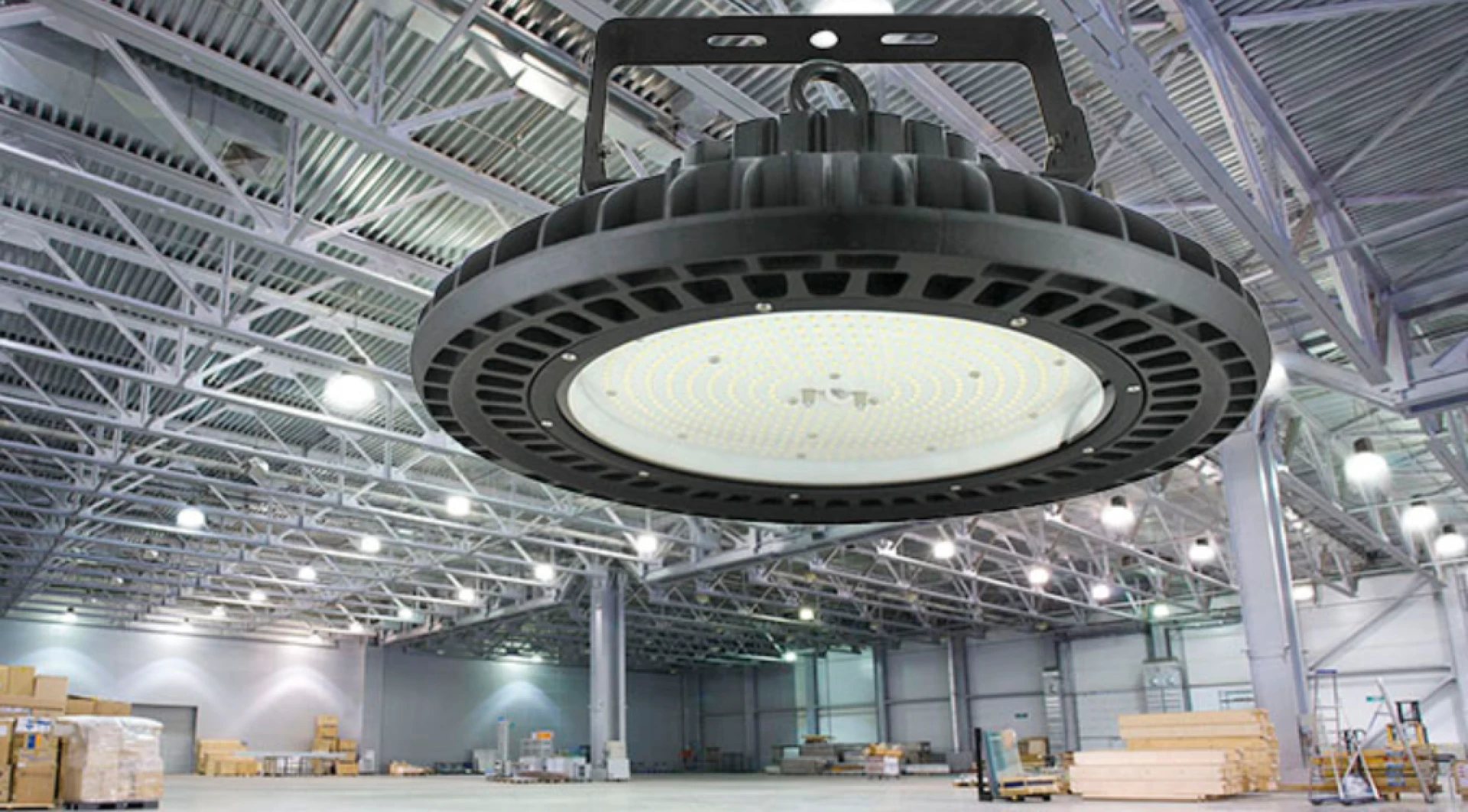

Lighting is a major factor in commercial and industrial spaces, influencing productivity, safety, and energy savings. High Bay LED Lighting is increasingly phasing out conventional lighting technologies like metal halide and fluorescent light fixtures as they are far more efficient and cost-effective. Most articles outline the advantages of LEDs, and this blog ventures into a novel area—how High Bay LED Lighting contributes to workplace well-being and sustainability for big areas like warehouses, factories, and gymnasiums.
1. Enhancing Workplace Well-Being with High Bay LED Lighting
➢ Improved Visibility Reduces Accidents
Inadequate light is among the top causes of on-the-job accidents. Fluctuating, dim lights create shadows and mask potential dangers. High Bay LED Lighting delivers extremely bright, uniform light, mitigating the opportunity for slips, trips, and falls. Greater visibility also facilitates workers reading product labels, seeing equipment malfunctions, and walking in their workspace safely.
➢ Reduction in Eye Strain and Fatigue
Incandescent lighting tends to create glare and flicker, which can be uncomfortable and cause eye strain for workers who spend extended periods indoors. LEDs, however, emit consistent, natural-spectrum light that simulates daylight. This minimizes headaches, fatigue, and stress, resulting in greater concentration and productivity.
2. Sustainability and Eco-Friendliness of High Bay LED Lighting
➢ Radical Decrease in Energy Use
One of the most significant benefits of High Bay LED Lighting is energy efficiency. LEDs use as much as 80% less energy than metal halide and fluorescent lighting. This means huge electricity bill savings, which makes them a perfect fit for companies who want to reduce operational costs.
➢ Lower Carbon Footprint
Sustainability is not a choice—it's mandatory. LEDs use less power and last much longer, typically between 50,000 and 100,000 hours. This results in fewer replacements, less trash, and fewer carbon emissions for manufacturing and transportation.
3. Smart Lighting Integration for Maximum Efficiency
➢ Motion Sensors and Dimming Controls
New LED high bay lights also have sophisticated features like motion sensors and dimming controls. These help ensure that the light is used only when required, reducing energy waste even more. For instance, warehouses may have lights that illuminate only when an employee approaches an aisle and automatically dim if there is no movement.
➢ Automated Scheduling for Energy Savings
With intelligent lighting systems, companies can schedule lights to use energy more efficiently. Lights can be programmed to brighten up over the morning and dim in off-peak hours, so there is an even and economical way of providing light.
Final Thoughts
Implementing High Bay LED Lighting is not merely an expense reduction initiative—it's a workplace safety investment, a workforce health care measure, and an eco-friendly choice. Companies that transition will benefit from upfront energy cost savings and support a more environmentally friendly tomorrow while enhancing productivity. With intelligent controls for lighting and IoT connectivity, the future of commercial and industrial lighting has never been brighter.
Ready to level up your lighting solution? Discover the best high bay LED solutions that fit your venue and take one step closer to a more energy-efficient and green future!
























Sign in to leave a comment.