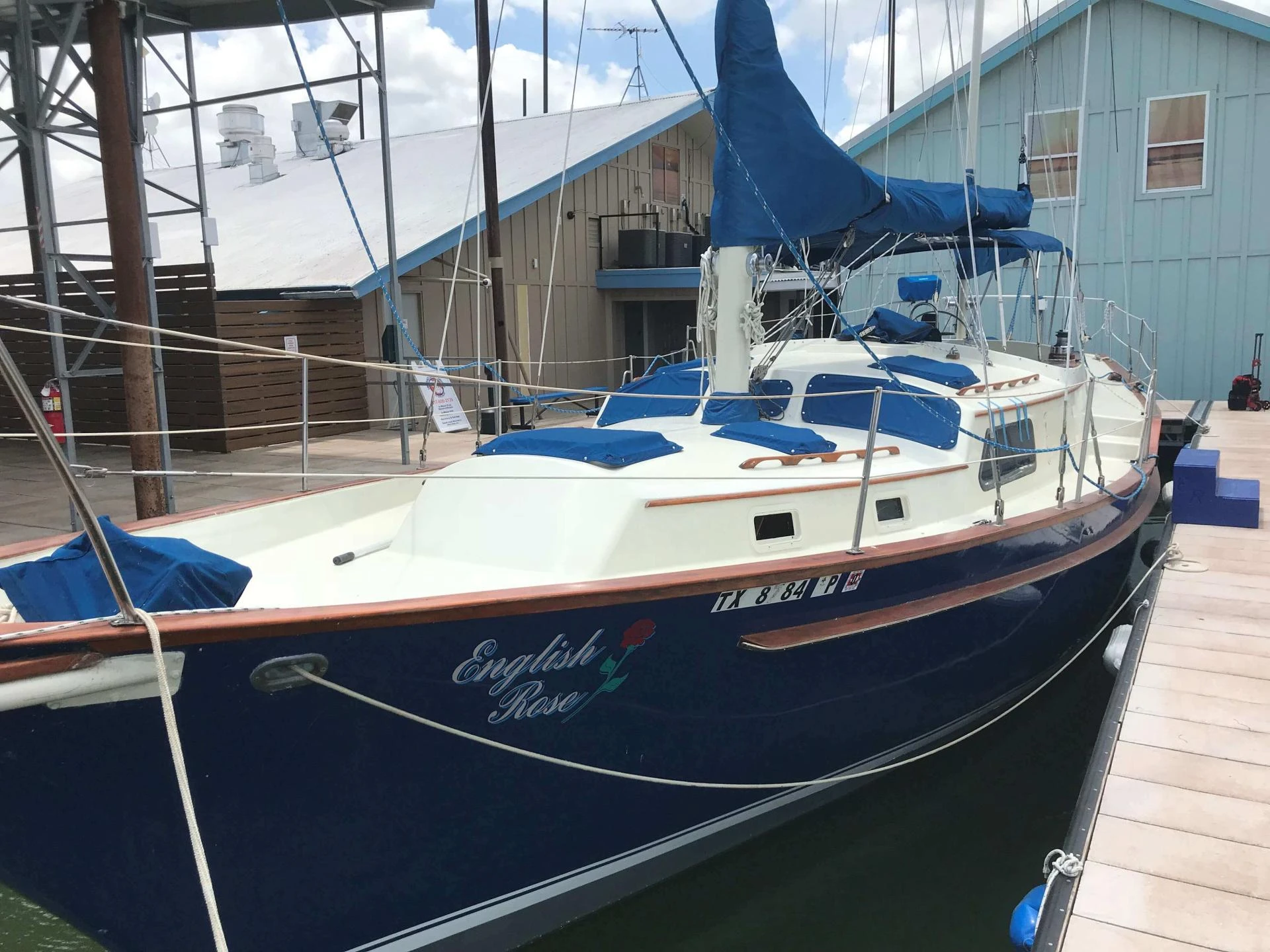


Boats rely heavily on complex electrical systems to power essential equipment, navigation tools, lighting, and onboard appliances. Unlike electrical systems on land, marine electrical systems operate in a harsh environment that includes moisture, vibration, and salt exposure. Because of these unique conditions, professional expertise is necessary to ensure that electrical installations are safe and reliable. This is why many vessel owners choose to work with an electrical technician who understands the specific requirements of marine systems.
A qualified marine technician has the knowledge and experience to install, maintain, and troubleshoot electrical systems on boats of different sizes and configurations. Their role is critical in ensuring that onboard equipment functions correctly while meeting safety standards designed for marine environments.
Understanding the Role of an Electrical Technician
A boat electrical technician specializes in the installation and maintenance of electrical systems on boats and yachts. These professionals work with both alternating current (AC) and direct current (DC) systems, ensuring that all electrical components operate safely and efficiently.
Their responsibilities often include installing wiring systems, connecting batteries, configuring circuit breakers, and ensuring proper grounding of electrical equipment. They may also work with navigation electronics, communication systems, and marine lighting.
Because marine electrical systems differ significantly from residential or automotive systems, technicians must understand marine-specific standards and practices. They must also be able to diagnose electrical issues quickly, especially when a vessel is preparing for a voyage or experiencing power-related problems.
Key Components of Marine Electrical Systems
Boat electrical systems typically include two types of power: DC power supplied by onboard batteries and AC power obtained from shore connections or generators. Both systems must be carefully integrated to ensure smooth operation.
The DC system powers critical equipment such as navigation lights, bilge pumps, communication devices, and engine starting systems. These components are essential for safe operation while the vessel is underway.
AC power, on the other hand, is used for appliances and larger electrical devices such as air conditioning units, refrigeration systems, and battery chargers. Shore power connections allow boats to access external electricity when docked at a marina.
A skilled boat electrical technician ensures that these systems are properly installed and balanced to prevent electrical overloads and power interruptions.
Challenges of Marine Electrical Installations
Electrical installations on boats present several challenges that are not typically encountered in land-based systems. One of the most significant challenges is exposure to moisture and saltwater.
Saltwater is highly corrosive and can quickly damage electrical components if they are not properly protected. Marine technicians must use corrosion-resistant materials and waterproof connectors to ensure durability.
Another challenge is the constant movement of boats caused by waves and engine vibrations. Electrical wiring and equipment must be secured carefully to prevent damage or loose connections during operation.
Temperature fluctuations and humidity can also affect electrical performance. Proper ventilation and protective housing help ensure that sensitive equipment remains functional in varying environmental conditions.
Safety Considerations in Marine Electrical Work
Safety is a top priority when dealing with boat electrical systems. Faulty wiring or poorly installed components can lead to serious hazards such as electrical shocks, equipment failure, or onboard fires.
One important safety device used in many marine systems is the Ground Fault Circuit Interrupter. This device detects imbalances in electrical current and automatically shuts off power to prevent electric shock.
Another essential component is proper grounding. Grounding systems help prevent electrical faults and protect both passengers and equipment from dangerous voltage levels.
Professional technicians follow guidelines established by organizations such as the American Boat and Yacht Council, which provides safety standards for marine electrical systems and equipment installation.
Common Electrical Services for Boats
Boat owners often require a range of electrical services to keep their vessels operating efficiently. One common service is installing or upgrading electrical panels that distribute power throughout the boat.
Battery installation and management are other important tasks. Technicians ensure batteries are properly wired, charged, and protected from potential damage caused by overcharging or excessive discharge.
Lighting systems are also frequently upgraded on boats. Modern LED lighting solutions can improve energy efficiency while providing better visibility for navigation and onboard activities.
Technicians may also install advanced marine electronics such as GPS navigation systems, radar units, and communication devices that enhance safety and convenience during voyages.
The Importance of Routine Maintenance
Regular maintenance is essential for keeping boat electrical systems in good working condition. Over time, corrosion, vibration, and environmental exposure can weaken wiring and connections.
Routine inspections allow technicians to identify potential problems before they lead to system failures. These inspections may include checking wiring integrity, testing circuit breakers, and verifying that all electrical components are functioning properly.
Preventive maintenance can extend the lifespan of electrical systems while reducing the risk of unexpected breakdowns during trips.
Upgrading Marine Electrical Systems
As boating technology evolves, many vessel owners choose to upgrade their electrical systems to support modern equipment. Advanced navigation tools, entertainment systems, and energy-efficient appliances often require additional power capacity and improved wiring infrastructure.
Upgrading electrical systems may involve installing new distribution panels, adding battery banks, or integrating renewable energy sources such as solar panels.
A professional boat electrical technician can assess the vessel’s existing system and recommend upgrades that improve performance while maintaining safety standards.
Benefits of Professional Marine Electrical Expertise
Hiring a qualified marine technician offers several advantages for boat owners. Professional installation reduces the risk of electrical hazards and ensures that systems comply with recognized safety standards.
Technicians also have specialized tools and diagnostic equipment that help them identify electrical issues quickly. This expertise saves time and prevents costly mistakes that could result from improper installations.
Another benefit is peace of mind. Knowing that electrical systems have been installed and inspected by experienced professionals allows boat owners to focus on enjoying their time on the water.
Supporting Safe and Reliable Boating Experiences
Reliable electrical systems are essential for safe and comfortable boating. From powering navigation equipment to supporting onboard appliances, electricity plays a crucial role in modern vessels.
Working with an experienced electrical technician ensures that electrical installations are performed correctly and maintained according to industry standards. Professional expertise helps protect passengers, preserve valuable equipment, and ensure that boats operate smoothly in demanding marine environments.
With proper installation, regular maintenance, and expert support, boat electrical systems can provide dependable performance for many years, allowing boat owners to explore the water with confidence and peace of mind.
























Sign in to leave a comment.