
Homeowners insurance premiums can often feel like a shifting puzzle for property owners. While most hope their rates stay steady, the truth is that homeowners insurance premiums tend to change as conditions evolve. Various elements influence these adjustments, sometimes leaving homeowners uncertain about what caused the increase.
Learning why these changes occur helps you plan wisely and take proactive steps to manage them. “Premium changes usually reflect what’s happening around the home, not just inside the policy,” says Southern Ambit Insurance. “Shifts in rebuilding costs, weather patterns, and even neighborhood claim trends can influence rates, which is why understanding those factors early helps homeowners stay prepared rather than caught off guard.”
Factors That Affect Homeowners Insurance Premiums Over Time
The insurance world is constantly evolving, influenced by economic trends, climate events, and the overall claims environment. A homeowner who has lived in the same residence for two decades may see steady increases without ever filing a claim. This pattern reflects how insurers balance risks and respond to larger market conditions.
- Property values and building expenses tend to fluctuate over time.
- Catastrophic events often cause sharp increases in claims.
- Inflation steadily pushes insurance rates upward.
Market Forces That Shape Homeowners Insurance Rates
Homeowners insurance pricing is tightly linked to real estate values and construction costs. When property prices climb, replacement costs also rise, pushing insurers to adjust premiums. In competitive housing markets, this connection can lead to noticeable jumps, while even in slower economies, rate changes still occur to match material and labor expenses.
According to the Insurance Information Institute, the average homeowner in the U.S. spends about $1,249 annually on coverage, though costs vary widely depending on region, market conditions, and home value. Insurers carefully review these trends to ensure policy limits keep pace with rebuilding costs and market fluctuations.
- Increased home prices raise the estimated cost of reconstruction.
- Surging labor demand drives up contractor and repair rates.
- Local market health directly influences insurance adjustments.
How Natural Disasters Influence Homeowners Insurance Premiums
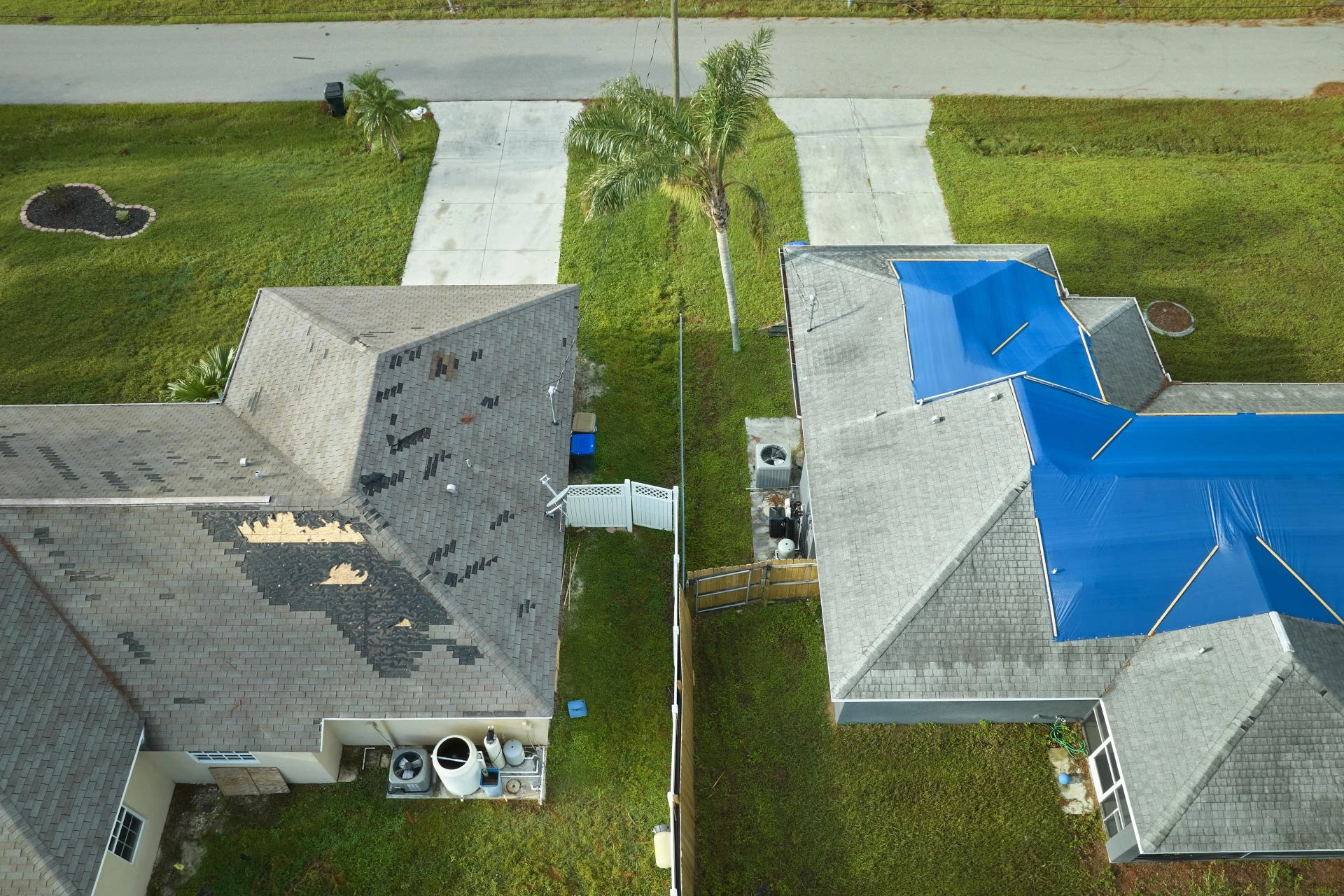
Severe weather plays a major role in rising premiums. Hurricanes, wildfires, floods, and similar disasters result in higher claims, prompting insurers to raise rates to offset financial losses. Even homeowners with spotless claim histories can see their premiums rise simply due to living in areas prone to these natural events.
The National Oceanic and Atmospheric Administration (NOAA) reported that the U.S. faced 22 billion-dollar climate and weather disasters in 2020 alone. The increasing severity and frequency of such events have made risk modeling a crucial part of premium pricing.
- Frequent hurricanes and wildfires significantly raise regional risk.
- Insurers factor climate data into their long-term pricing models.
- Homes in coastal or high-risk zones often face steeper rate increases.
The Role of Inflation in Homeowners Insurance Costs
Inflation has a direct impact on insurance premiums by increasing the cost of materials, labor, and repairs. As these costs grow, insurers must raise rates to ensure claims can be fully covered when losses occur.
The Consumer Price Index (CPI) continues to reflect broad inflation across industries, including construction. Rising prices for essentials like lumber, roofing, and appliances make rebuilding more expensive, directly influencing premiums.
- Material and labor cost hikes increase claim payouts.
- Inflation raises expenses for equipment, contractors, and parts.
- Insurers adjust premiums to maintain adequate claim reserves.
Aging Homes and Insurance Adjustments
Older homes typically require more attention, leading insurers to charge slightly higher premiums. Wear and tear, outdated wiring, and aging plumbing systems contribute to an increased likelihood of damage. Insurers raise rates to account for the maintenance and replacement risks tied to aging properties.
A homeowner with a 35-year-old residence may pay more than someone in a newer subdivision, particularly if essential systems haven’t been updated. Performing key improvements not only reduces potential hazards but can also lower long-term insurance costs.
- Aging wiring and plumbing systems raise fire and water risks.
- Deferred repairs can increase long-term property damage.
- Upgrading mechanical systems may reduce future premium spikes.
Claims History and Its Effect on Premium Rates
Your personal claims history has a substantial impact on your premiums. Filing several claims in a short period signals greater risk to insurers, which can lead to higher renewal rates. Even one significant claim may affect your pricing for several years.
Homeowners who consistently maintain claim-free records tend to enjoy better pricing. Insurers also consider the overall claims frequency in your neighborhood, which means local trends can affect your costs even if you haven’t filed.
- Multiple claims suggest higher risk for future losses.
- Larger claims often result in noticeable rate adjustments.
- Neighborhood claim activity influences local rate averages.
Policy Changes That May Lead to Higher Premiums
Premium changes sometimes come from enhanced protection rather than external factors. Adding optional coverage, such as flood protection or extended replacement cost, naturally increases the total premium. These upgrades, however, provide greater security and peace of mind.
When homeowners add luxury features like swimming pools, detached structures, or custom renovations, the property’s overall value and risk profile change. Insurers then modify policies to ensure adequate protection.
- New coverages or policy riders raise overall premium amounts.
- Major home additions require updated coverage limits.
- Expanding personal property protection adds to total costs.

Key Takeaways on Why Homeowners Insurance Premiums Rise Gradually
Homeowners insurance premiums evolve for many reasons, market forces, weather events, inflation, and property conditions all play a part. While some factors are beyond control, homeowners can stay informed and make strategic improvements to limit future increases. Understanding how insurers calculate premiums can help you stay proactive and financially prepared.
Why Homeowners Insurance Premiums Rise Gradually Over Time:
- Extreme weather and regional claim trends elevate costs.
- Inflation and market growth raise rebuilding expenses.
- Property age, upgrades, and policy expansions influence rates.
Frequently Asked Questions About Rising Homeowners Insurance Premiums
1. How can I reduce my homeowners insurance premium?
Raising your deductible, bundling policies, improving home security, and completing maintenance updates can help lower your rate.
2. Do all insurers raise rates after natural disasters?
Most insurers adjust prices in disaster-prone regions to reflect overall risk levels, even for homeowners who haven’t filed a claim.
3. How often should I review my insurance coverage?
An annual policy review ensures your protection matches your home’s current value and any recent improvements.
4. Will avoiding claims stop my premiums from rising?
While avoiding claims helps maintain lower premiums, external factors like inflation and disaster frequency still influence adjustments.
5. Should I shop around for a new policy if my rate increases?
Comparing quotes from reputable insurers can be beneficial, but always confirm coverage limits and deductibles remain comparable before switching.































Sign in to leave a comment.