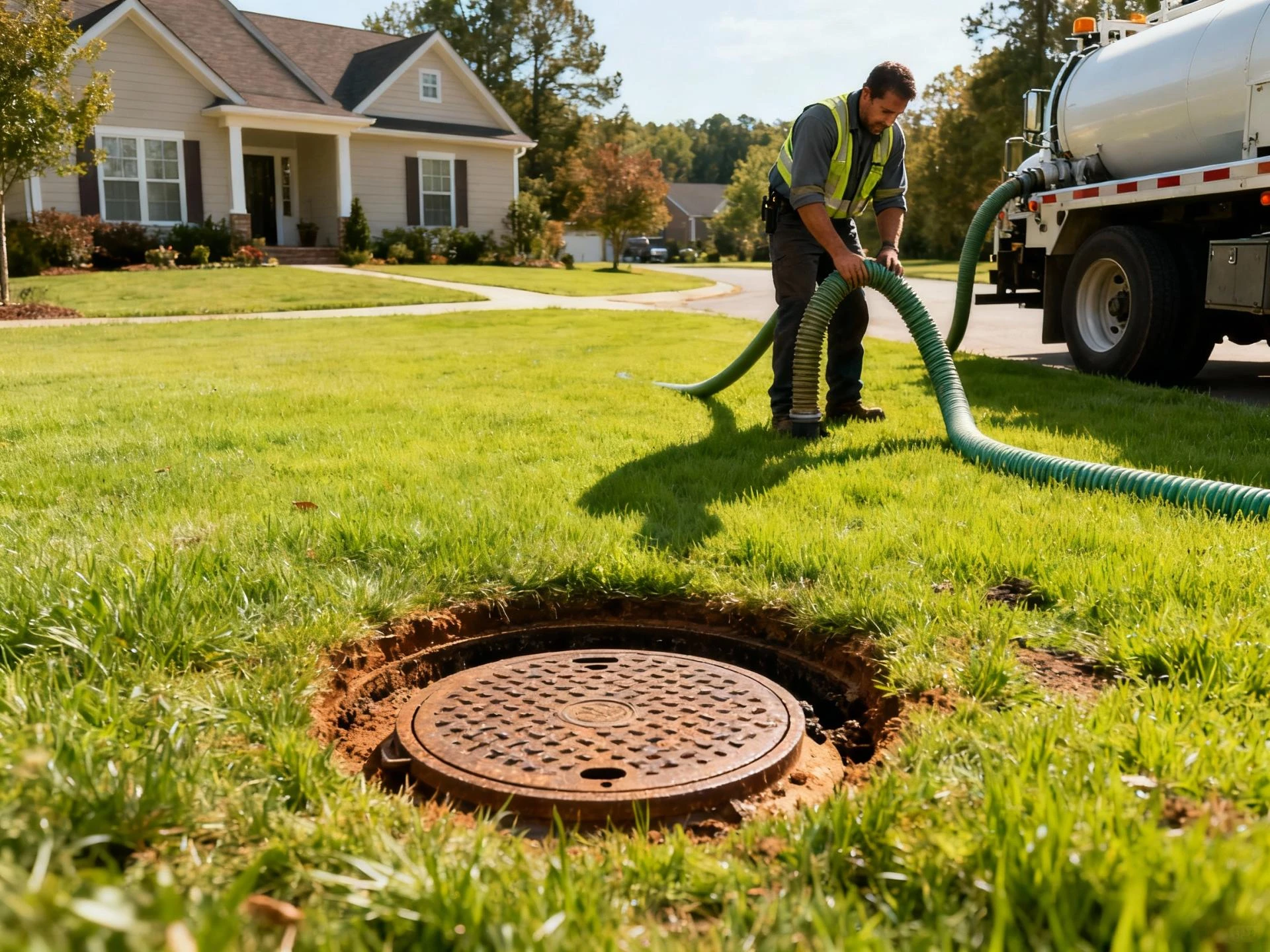

Septic systems quietly power thousands of homes in Lilburn and Lawrenceville, handling wastewater without municipal sewer connections. These underground workhorses process household waste through natural bacterial digestion, but neglect them and disaster strikes—backups, contamination, and costs exceeding $20,000 for replacements. Regular maintenance prevents these nightmares, protecting health, property values, and local waterways in Gwinnett County's septic-heavy communities.
Hidden Dangers of Septic Neglect in Suburban Georgia
Failing septic systems release untreated sewage into groundwater and streams, creating health hazards for Lilburn and Lawrenceville families. Gwinnett County reports emphasize that unmaintained tanks cause backups flooding homes with sewage or wet spots signaling drainfield saturation. Slow drains, gurgling toilets, and foul odors warn of impending failure, but by then damage escalates rapidly.
Environmental impact hits hard locally. Lilburn's stormwater management stresses that septic failures pollute ponds and creeks, harming aquatic life and drinking water sources. The EPA notes untreated waste carries bacteria, viruses, and nutrients fueling harmful algal blooms. Homeowners face fines, health department violations, and plummeting property values when systems fail inspections during real estate transactions.
The 3-5 Year Pumping Rule: Gwinnett County's Lifeline
Gwinnett County mandates septic tank pumping every three to five years by licensed contractors, matching EPA guidelines for average households. Tanks fill with sludge and scum, reducing capacity and forcing solids into drainfields where they clog soil pores irreversibly. Inspection during pumping reveals issues early—baffle damage, inlet screen clogs, or excessive grease buildup common in Georgia kitchens.
Local factors accelerate problems. Lawrenceville's growing families and Lilburn's older homes strain systems beyond design limits. Garbage disposals, common in suburban remodels, triple solid waste volume, demanding more frequent service. Water conservation becomes critical; leaking toilets add 200 gallons daily, overwhelming tanks in clay-heavy Gwinnett soils.
Septic Pumping in Lilburn: Your First Line of Defense
Professional septic pumping in Lilburn removes accumulated waste before backups occur, extending system life by decades. Licensed technicians measure sludge depth—pumping needed when it reaches 12 inches—and inspect components for wear. This proactive step prevents 90% of failures, saving homeowners thousands compared to full replacements costing $2,000-$20,000.
Lilburn's unique challenges demand local expertise. Proximity to Yellow River increases contamination risks, while aging infrastructure from 1970s developments shows higher failure rates. Certified pumpers ensure compliance with Gwinnett Environmental Health permits, avoiding violations during home sales. Scheduling aligns with county recommendations, maintaining warranty validity and property resale readiness.
Septic Pumping in Lawrenceville: Tailored for Growth Areas
Lawrenceville homeowners benefit from septic pumping in Lawrenceville addressing rapid suburban expansion pressures. Newer neighborhoods with high water usage and larger households fill tanks faster, while established areas battle tree root intrusion into drain lines. Regular pumping maintains hydraulic balance, preventing soggy yards and sewage surfacing that plagues overtaxed systems.
Service pros hydro-jet lines during pumping, clearing grease and roots without harsh chemicals harming soil bacteria. Gwinnett's clay soils drain slowly, amplifying maintenance needs; pumping restores percolation rates essential for effluent treatment. Local providers understand permitting through county health departments, ensuring inspections pass smoothly for real estate closings.
Water Efficiency: The Unsung Septic Savior
Conserving water extends time between pumpings dramatically. Single leaky fixtures waste hundreds of gallons daily, flooding tanks and bypassing bacterial digestion. Low-flow toilets, efficient washers, and staggered laundry loads reduce hydraulic overload by 30%, proven to extend drainfield life significantly.
Lilburn and Lawrenceville families average higher indoor usage than urban counterparts, stressing systems unnecessarily. Avoid chemical drain cleaners destroying beneficial bacteria; use boiling water or enzymes instead. Eliminate garbage disposals or use minimally—solid food waste triples sludge accumulation rates.
Drainfield Protection: Your System's Fragile Heart
The drainfield treats final effluent through soil filtration, but overload clogs it permanently. Regular pumping prevents solids migration destroying biomat layers essential for pathogen removal. Plant shallow-rooted natives away from fields; heavy irrigation or parking compacts soil, halting percolation.
Gwinnett inspections verify setbacks from wells, streams, and property lines. Diversion swales direct roof runoff away, preventing saturation. Professional evaluations using dye tests confirm field health, guiding repairs before total failure necessitates $15,000+ replacements.
Cost Savings: Prevention Beats Expensive Cures
Investing $300-500 in pumping every 3-5 years saves exponentially versus emergency calls. Failed systems trigger $2,000+ excavations, health violations, and temporary porta-potties during repairs. Insurance rarely covers neglect-induced failures; documented maintenance history protects claims.
Property values rise with verified service records. Gwinnett real estate requires septic inspections; clean reports accelerate closings, boosting offers by thousands. Long-term savings compound through energy-efficient operation—healthy systems use less electricity for pumps and alarms.
Local Regulations and Professional Partnerships
Gwinnett Environmental Health oversees Lilburn and Lawrenceville septic permits, mandating licensed contractors for pumping and repairs. Operational permits verify maintenance compliance; violations halt property transfers. Homeowners access free guides detailing schedules and warning signs.
Partner with certified locals understanding regional soil percolation rates and clay challenges. Annual inspections for advanced systems with pumps catch electrical faults early. Maintenance contracts ensure compliance, often including emergency response—peace of mind worth the modest investment.
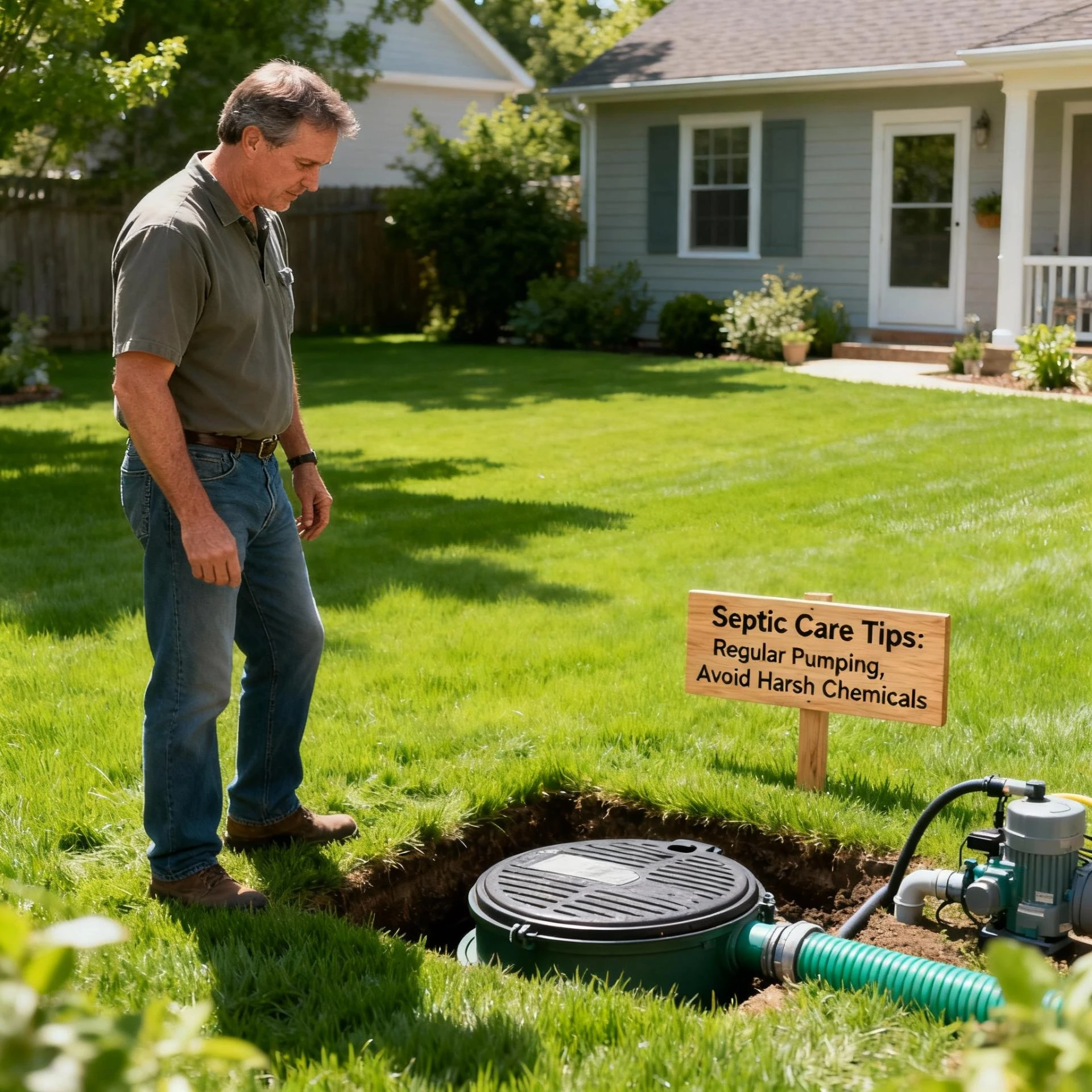
Regular septic care transforms invisible infrastructure into reliable assets for Lilburn and Lawrenceville homes. Proactive pumping schedules, water discipline, and professional partnerships prevent disasters while preserving property values and environmental health. Schedule inspections today; protect your investment tomorrow.






























Sign in to leave a comment.