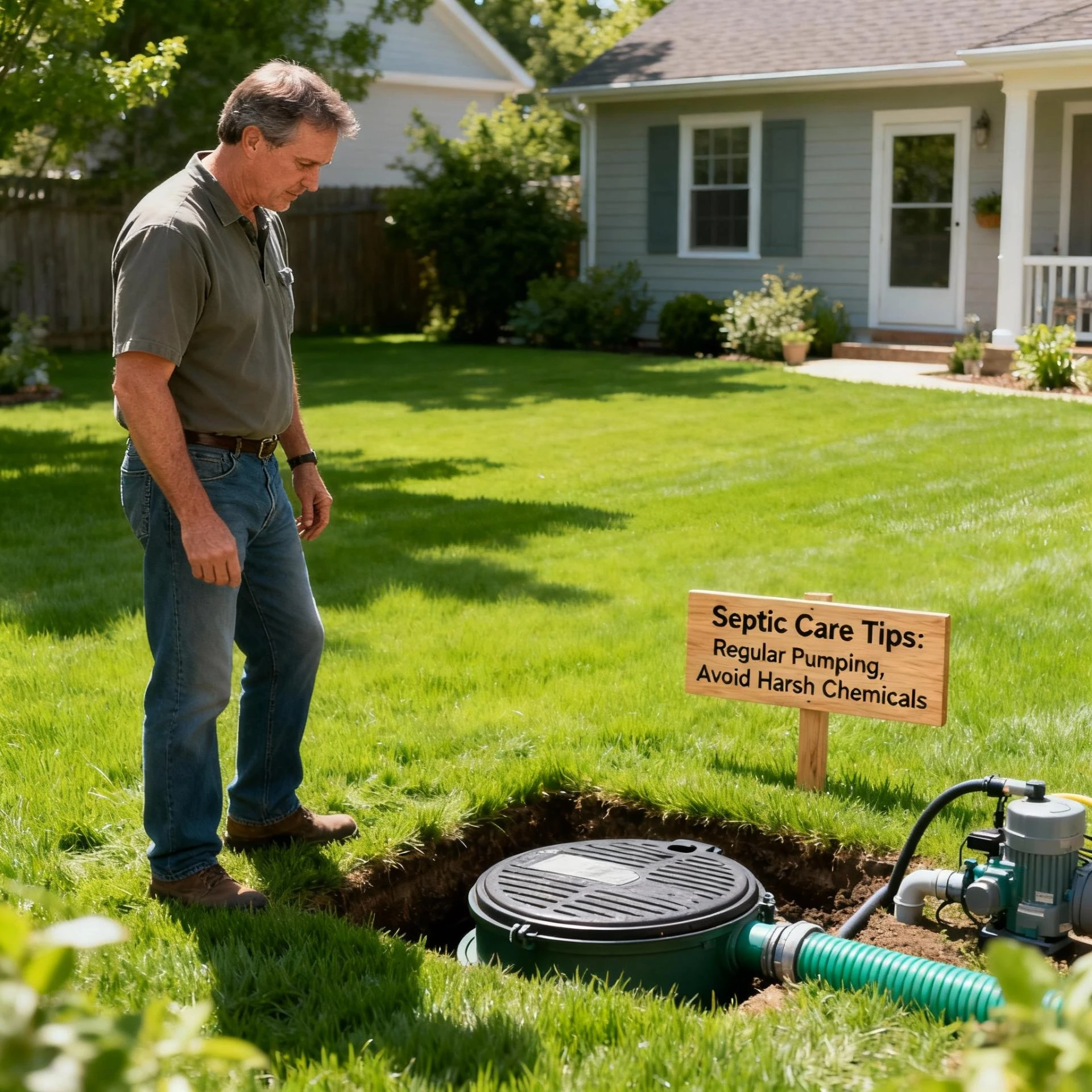

For homeowners in Lawrenceville, Georgia, caring for a septic system isn’t just routine maintenance—it’s a responsibility that protects your property, your family’s health, and your investment for years to come. Understanding the basics of septic care can help you avoid breakdowns, costly repairs, and environmental hazards.
How Septic Systems Work
A septic system is a private wastewater treatment structure usually installed in homes not connected to a municipal sewer line. It consists of a septic tank and a drain field. Wastewater flows from your home into the tank, where solids settle and are broken down by bacteria. The clarified liquid then disperses into the drain field and is absorbed by the ground.
While the process is largely self-sustaining, the system requires routine maintenance and care to remain effective. Over time, solids build up and, if not managed, will overflow into the drain field, eventually clogging it and leading to system failure.
Why Regular Maintenance Matters
Routine septic system care is critical to prevent system failures. Lawrenceville’s humid climate and heavy rainfall put extra stress on drain fields, making professional maintenance even more essential. Without regular attention, you might notice:
- Slow-draining sinks and toilets
- Unpleasant odors inside or outside your home
- Sewage backups or standing water near the tank
- Gurgling sounds in plumbing
Addressing these symptoms quickly can prevent severe issues and protect your property’s value.
Essential Septic Care Tips for Lawrenceville Residents
1. Schedule Routine Inspections
Every septic system should be inspected by a qualified professional at least every three years. Inspections can detect small problems—like pipe cracks or minor blockages—before they escalate. They also ensure that bacteria levels are healthy and that the tank and drain field are functioning efficiently.
2. Pump Your Tank Regularly
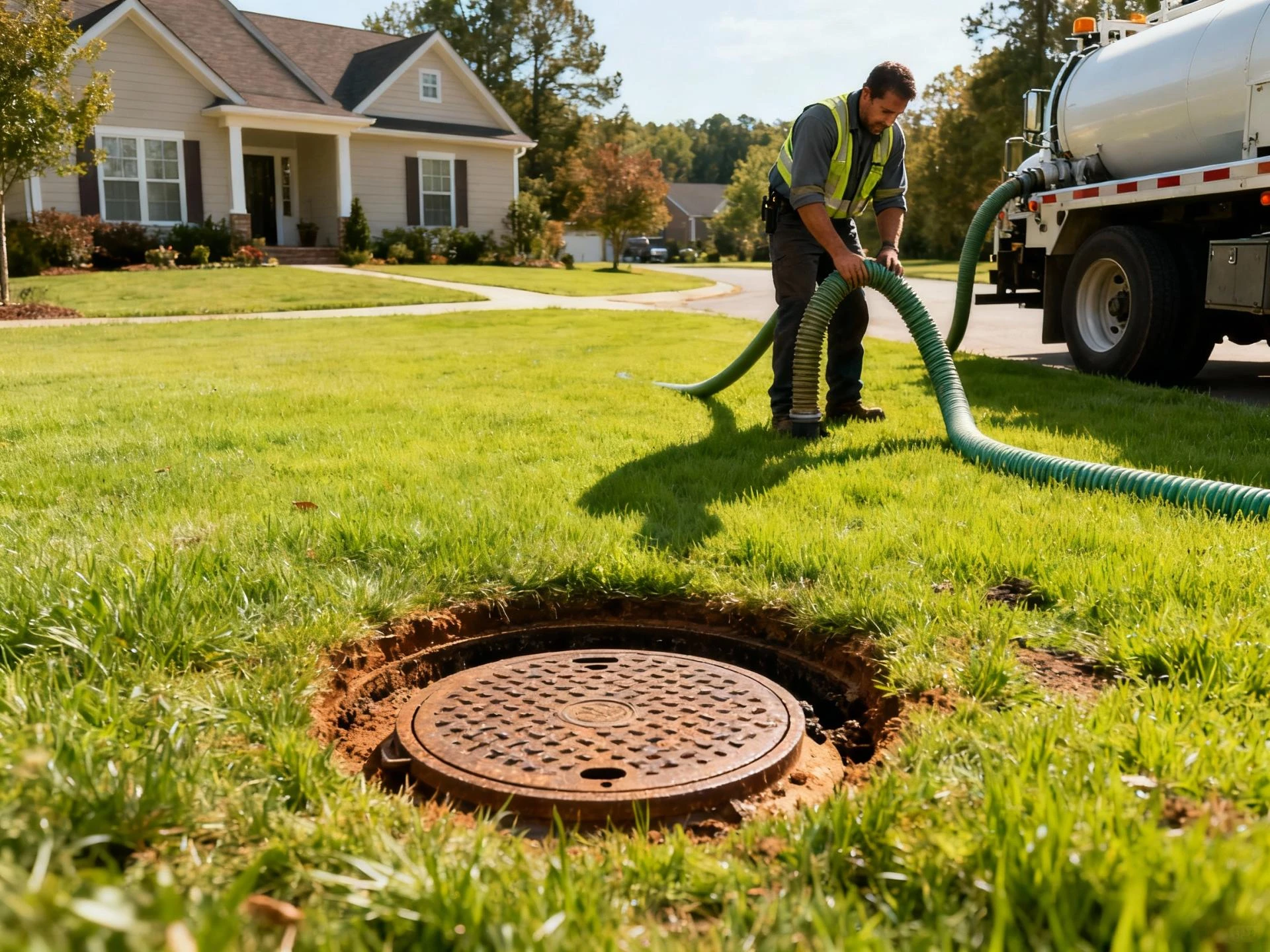
Homeowners in Lawrenceville should arrange for septic pumping every three to five years, depending on system size, household occupancy, and water usage. Routine septic pumping in Lawrenceville removes accumulated solids, protecting the drain field and preventing blockages that can lead to expensive repairs or replacements. Pumping resets the system and restores optimal function—think of it as an oil change for your home’s wastewater infrastructure.
3. Only Flush and Drain Appropriate Materials
Septic systems are vulnerable to items that don’t break down easily. Flushing wipes, diapers, sanitary products, or pouring grease, chemicals, or medications down the drain can damage the system or kill helpful bacteria. Stick to toilet paper and human waste, and ensure your sinks and tubs are free from food scraps and oils.
4. Use Water Wisely
Excess water can overwhelm a septic system, leading to overflow and drain field saturation. Spread out laundry loads, fix leaks immediately, and use water-saving fixtures throughout the house. Consider replacing older appliances with newer, efficient models.
5. Protect Your Drain Field
The drain field is a crucial component of your septic system. Never park vehicles or place heavy objects over it, as this can compact soil and damage pipes. Avoid planting trees or shrubs with large root systems nearby, and redirect rainwater from gutters away from the drain field.
Warning Signs that Need Immediate Attention
Being vigilant for early warning signs can save Lawrenceville homeowners thousands in repairs:
- Wastewater backup into the house
- Pools of water or wet spots near the septic tank or drain field
- Foul smells near the tank or drain field
- Lush, overly green grass in the drain field area
If you notice any of these, call a septic professional right away. Early intervention is always less costly than delayed repairs.
Choosing the Right Septic Service Provider
For peace of mind, hire local experts experienced with Lawrenceville’s soil, climate, and codes. Look for licensed, insured contractors with positive community reviews and transparent pricing. Ask if they provide a full suite of services, including inspections, pumping, repairs, and installation.
Annual or semi-annual service contracts can help you stay ahead of problems and qualify for discounts or waived emergency fees.
Compliance and Legal Considerations
Lawrenceville homeowners should be aware of local ordinances regarding septic systems. For example, some regions require inspection reports before home sales or during property renovations. Ignoring these regulations can delay your sale or result in fines. Always keep records of inspections, pumping, and repairs—you may need them to satisfy real estate or insurance requirements.
Long-Term Benefits of Good Septic Care
With proper attention, a septic system can last for decades—often 30 years or more. Routine maintenance ensures:
- Clean, odor-free living environments
- Lower risk of costly breakdowns and emergencies
- Protection against soil and water contamination
- Higher property value and easier home sales
Well-cared-for systems also contribute to a cleaner local environment by minimizing pollution and keeping Lawrenceville’s groundwater safe.
Sustainable Septic Practices
Eco-friendly care is increasingly important. Ask your service provider about bio-based cleaners, water-efficient repairs, and best practices for minimizing the use of harsh chemicals. Reducing household water use, composting food waste, and properly disposing of medications can also help your system run better and protect the wider community.
Conclusion
Owning a home in Lawrenceville comes with unique responsibilities, especially for those connected to a private septic system. Proactive maintenance—including regular inspections, smart water usage, careful waste disposal, and scheduled septic pumping in Lawrenceville—is the key to a healthy system, a safe family, and a protected investment. With just a little attention, Lawrenceville residents can enjoy peace of mind and hassle-free septic performance for years to come.


























Sign in to leave a comment.