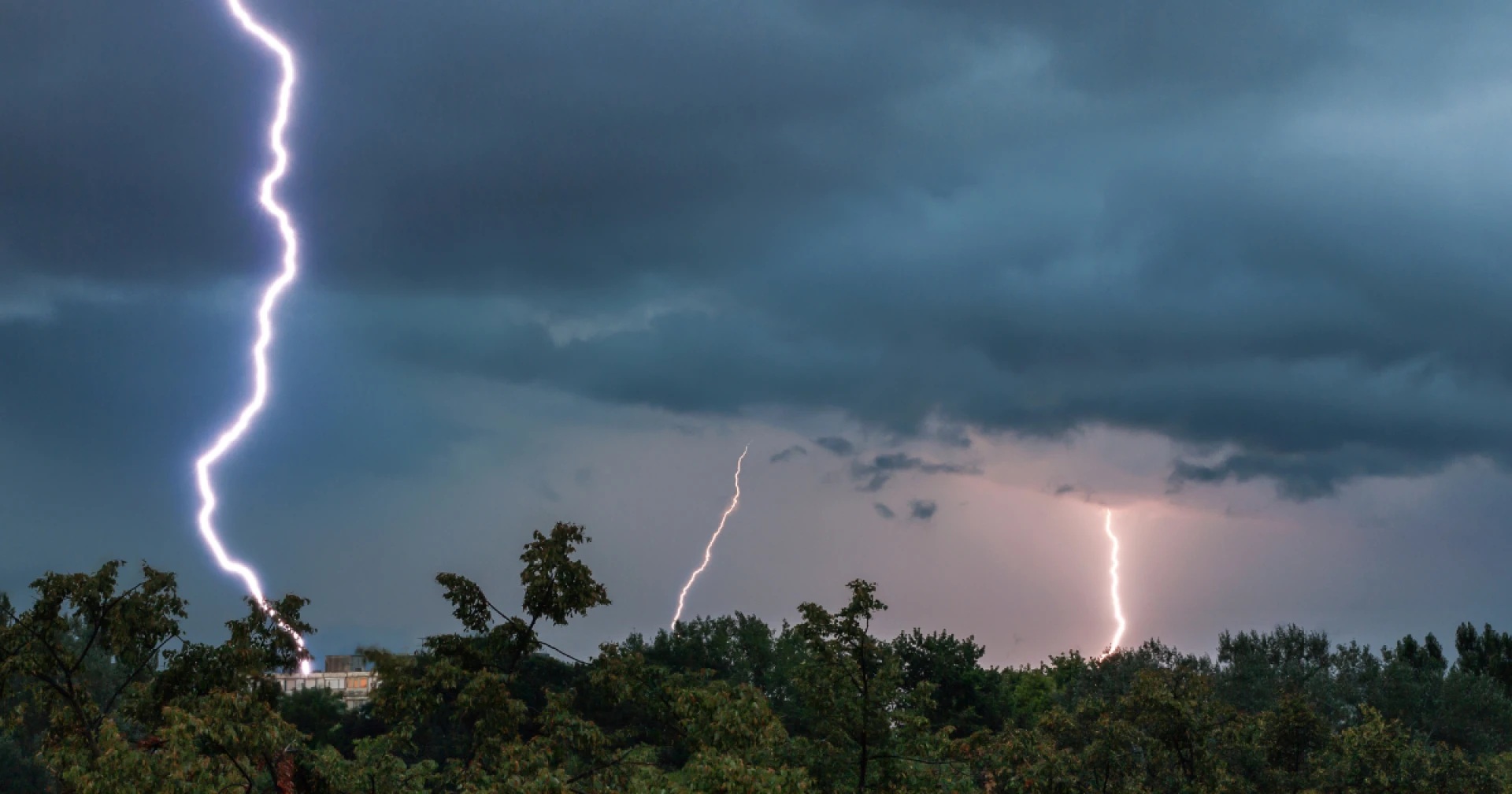

Hurricane storm panels are one of those upgrades homeowners don’t think about until the weather forecast turns heavy. Designed to protect windows and doors from flying debris and wind-driven rain, these panels step in when storms push homes to their limits. And lately, more people are paying attention. Stronger storm seasons, rising repair costs, and tighter insurance requirements are making reliable protection feel less optional and more essential.
If you’re considering residential storm panels for the first time, you’re probably asking the same questions others are asking: Will they hold up? Are they easy to use? What happens if they’ve been sitting in storage for years? Florida storm panels provide strong protection and peace of mind, but only when they’re cared for the right way. This guide breaks down why storage matters more than most people realize and how a few smart habits can keep hurricane storm panels ready when it counts.
Why Heat, Moisture, and Salt Air Break Down Hurricane Storm Panels in Storage
Hurricane storm panels are built tough, but storage conditions can quietly break them down. Heat speeds up material degradation, especially in garages and sheds that trap hot air. Over time, aluminum can warp, steel can weaken at stress points, and clear panels can turn brittle. Moisture does even more damage. Damp storage invites corrosion on metal panels and fasteners, which leads to seized bolts and weakened anchoring when you’re rushing to install protection.
If you live near the coast, salt air adds another layer of wear. Salt can settle into seams and hardware, deteriorating the material and accelerating rust and pitting. That’s how residential storm panels that looked “fine” in storage end up failing under pressure. Florida storm panel solutions work best when homeowners treat storage like part of storm prep, not an afterthought. A dry, ventilated space and seasonal checks go a long way. Professional inspections and maintenance can catch early damage, replace compromised hardware, and keep panels storm-ready before the next warning hits.
Common Storage Mistakes That Cause Storm Panel Failure
Storm panel failures don’t usually start during the storm. They start months earlier in storage. Small handling and storage habits slowly weaken hurricane storm panels, making them less reliable when conditions turn severe.
Outdoor, Uncovered Storage
Leaving hurricane storm panels outside exposes them to UV, rain, and salt air. Over time, finishes break down, metal corrodes, and clear panels become brittle and yellow.
Direct Contact With Concrete
Concrete holds moisture. When residential storm panels sit directly on it, they wick up dampness that speeds rust and hardware seizure.
Prolonged Wall-Leaning
Leaning panels against walls for months can bend edges and create subtle warping. Those small distortions turn into issues with fitment.
Uneven Stacking
Stacking panels without support creates pressure points. Panels can bow, crack, or lose their shape, which compromises how Florida storm panel solutions perform when storms hit.
What Happens During a Storm When Panels Are Poorly Stored
When storage damage shows up, it rarely gives you a warning. The problems surface when time is tight, and conditions are already stressful.
Panels Don’t Fit
Warping and bent edges make hurricane storm panels hard to align with pre-drilled anchors. What should be a straightforward install turns into a frustrating scramble.
Missing Fasteners
Rusted, misplaced, or mismatched hardware slows everything down. Without the right fasteners, residential storm panels can’t be secured the way they’re designed to be.
Warped or Cracked Panels
Heat and poor stacking weaken panels over time. Cracks and bends reduce impact resistance, leaving openings vulnerable to debris and wind pressure.
Delayed Installation
Every minute spent fixing storage issues is time lost. Delays increase exposure just as conditions worsen, putting homes at higher risk, especially when relying on Florida storm panel solutions for last-minute protection.
How to Store Hurricane Storm Panels the Right Way (Pro Tips)
Good storage doesn’t have to be complicated. A few simple habits can keep hurricane storm panels dependable season after season.
Store in a Dry, Covered Area
Choose a space that stays dry and ventilated. This limits corrosion, prevents moisture buildup, and protects finishes from breakdown.
Elevate Panels Off the Floor
Keep residential storm panels raised on shelves or pallets. Elevation blocks moisture transfer from concrete and reduces rust on edges and fasteners.
Keep Panels Flat & Supported
Store panels flat with even support to avoid bowing. Proper support helps Florida storm panel solutions retain their fit and strength.
Label Panels by Opening
Mark each panel for its window or door. Store them in order so you do not have to pick through them to find the one you need. Clear labeling speeds up installation when time matters most.
Inspect Before Storm Season
A quick pre-season check catches rusted hardware, cracks, or warping early. Professional inspections and maintenance can fix small issues before they become big failures.
Final Thoughts
Hurricane storm panels only work as well as the condition they’re kept in. Poor storage slowly weakens materials, hardware, and fit, turning reliable protection into a liability when storms arrive. With simple storage habits and regular pre-season checks, residential storm panels can stay dependable year after year. Florida storm panel solutions are most effective when homeowners treat storage and maintenance as part of storm readiness, not an afterthought.






















Sign in to leave a comment.