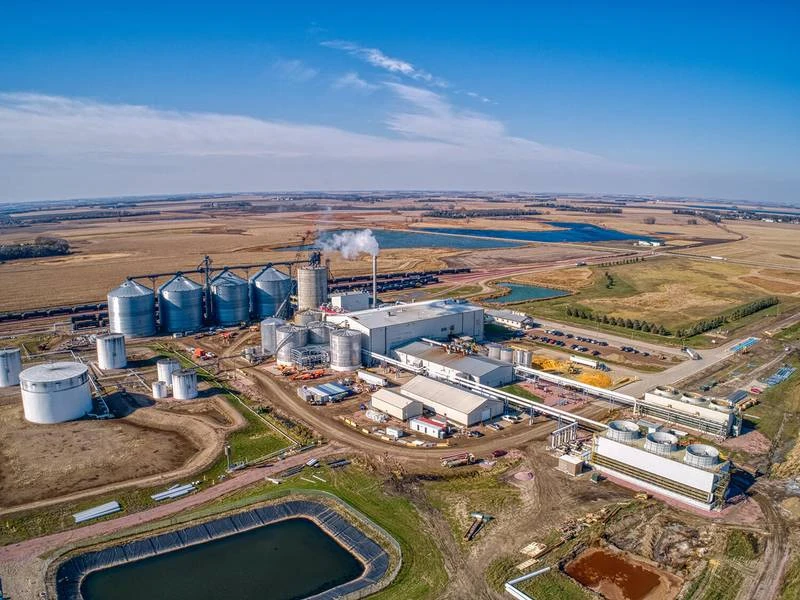

Fuel consumption keeps increasing across industrial, agricultural, and commercial sectors. Traditional fossil fuels face supply pressure and price inconsistency. Ethanol bridges this gap with a cost-effective and renewable alternative.
The Indian government pushes strong blending targets, which means oil companies must buy more ethanol every year. This directly boosts demand for every ethanol plant in India. Many new projects already report strong order inquiries even before commissioning their facility. Since the market does not depend on one single buyer, producers enjoy stable demand from refineries, chemical manufacturers, and pharma units.
Rising market confidence also encourages investors, making the ethanol business easier to finance compared to many traditional manufacturing projects.
A Sustainable Solution with Long-Term Value
Ethanol production depends on renewable feedstocks like sugarcane, grain, and agricultural residue. This keeps production costs stable and supports long-term sustainability. When industries search for low-carbon solutions, ethanol stands out as one of the most adaptable fuels.
Unlike fossil fuels, ethanol burns cleaner and reduces harmful emissions. It supports industries that want to meet environmental compliance without compromising performance. Many logistics companies and fleet owners now shift towards ethanol-blended fuels because it gives them better engine life and lower maintenance.
The long-term sustainability value becomes a major advantage for plant owners. They stay aligned with global environmental expectations, which boosts their brand and increases future business opportunities.
Strong Government Support Reduces Business Risk
The government provides a wide range of incentives to expand ethanol production. Investors receive easier licensing, faster clearances, and financial support through schemes and subsidies. The clear roadmap for the next decade helps new entrepreneurs plan with confidence.
Tax benefits, interest subventions, and purchase guarantees reduce risk for anyone planning to start an ethanol plant. The market already shows quick growth because of this transparent policy support. When a business invests in a sector with stable regulations, the return on investment becomes more predictable.
This makes ethanol one of the safest and most rewarding industrial opportunities for the coming years.
Opportunities in Waste-to-Fuel Technology
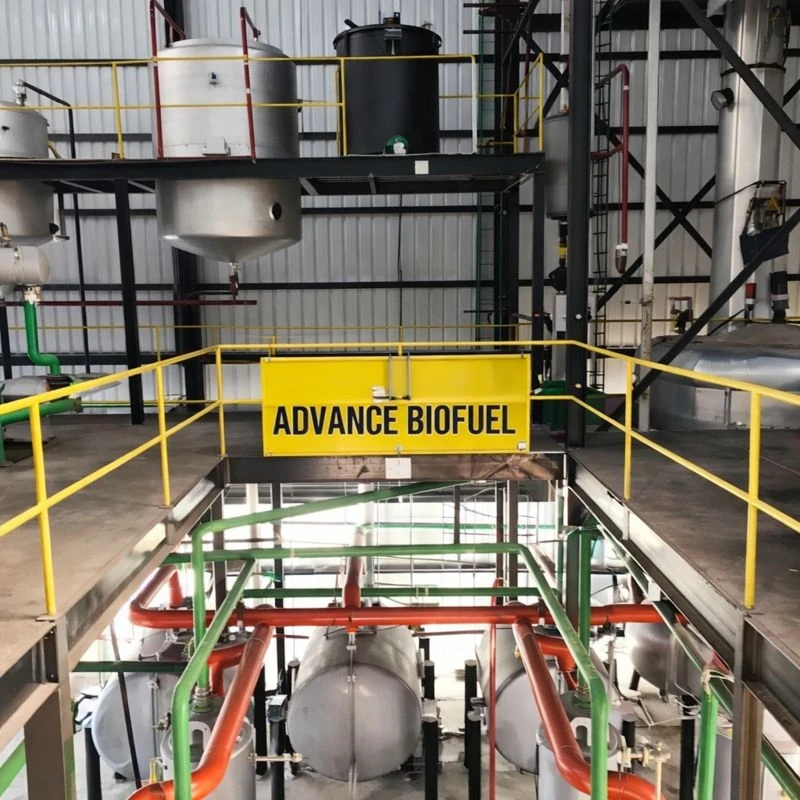
Many industries now look for solutions that turn waste into value. Ethanol plants achieve this with advanced distillation and fermentation systems. Agro waste like broken rice, maize residue, sugarcane waste, and other biomass materials become raw materials for producing high-value fuel.
This not only reduces waste disposal issues but also creates new revenue streams for farmers. Rural economies benefit strongly because ethanol plants generate direct and indirect employment. Many agro-based regions observe faster development after an ethanol facility starts operating.
Waste-to-fuel technology gives plant owners the power to diversify raw materials, control costs, and create a stable supply chain.
Lower Operating Costs and Higher Profit Margins
Modern ethanol plants use advanced energy-efficient systems that reduce overall production costs. Heat recovery units, optimized fermentation, and better distillation techniques cut down energy consumption.
When operational costs stay low, profit margins rise significantly.
Producers also enjoy flexibility. They can supply distillers dried grains (DDGS), CO₂, and other by-products to industries like animal feed, beverages, and food processing. These by-products add strong profitability and reduce dependency on one single revenue source.
This multi-product approach increases stability and long-term confidence among investors.
Growing Export Potential
As global demand for cleaner fuel grows, many countries look towards India for ethanol supply. Several Asian, African, and European countries explore long-term agreements with Indian producers.
When a business invests early in capacity expansion, it stays ready for export opportunities as soon as demand grows further. International buyers prefer stable and high-quality suppliers, and producers with reliable technology and consistent output earn strong reputations.
Export potential gives plant owners the freedom to explore new markets beyond domestic boundaries.
A Strategic Choice for Industrial Growth
Setting up an ethanol facility does not only offer business profit. It builds long-term industrial capability. Many businesses use ethanol for chemical formulations, solvent production, pharma manufacturing, and specialty industrial applications. This cross-industry relevance keeps demand steady even during market fluctuations.
Any plant that delivers consistent quality quickly becomes a trusted supplier to high-value industries. When a new investor studies future markets, it becomes clear that ethanol delivers stable returns with lower long-term risk.
Why an Ethanol Plant in India Stands Out
India’s energy roadmap places a strong focus on clean fuels. The country targets higher blending levels and consistent growth in domestic production. This creates massive opportunities for anyone planning to start an ethanol plant in India. The expanding market, stable policy support, and rising industrial demand push ethanol into the center of future fuel strategy.
Entrepreneurs who step in now position themselves ahead of future competition. The cost of entry remains manageable, while the potential rewards keep increasing every year. With the right planning, partners, and technology, a plant owner can build a long-lasting and profitable industrial venture.
Conclusion: A Future-Proof Investment
The shift towards renewable energy will only get stronger. Ethanol offers a practical, profitable, and scalable business opportunity for industries, investors, and entrepreneurs. The benefits go beyond revenue. They support sustainability, rural development, and environmental responsibility.
When a business chooses ethanol production, it does more than chase profit. It creates long-term value and supports the country’s clean energy journey. Anyone exploring new industrial investments should study this sector closely because ethanol stands strong as one of the most reliable, impactful, and future-ready opportunities in India’s growing energy landscape.


























Sign in to leave a comment.