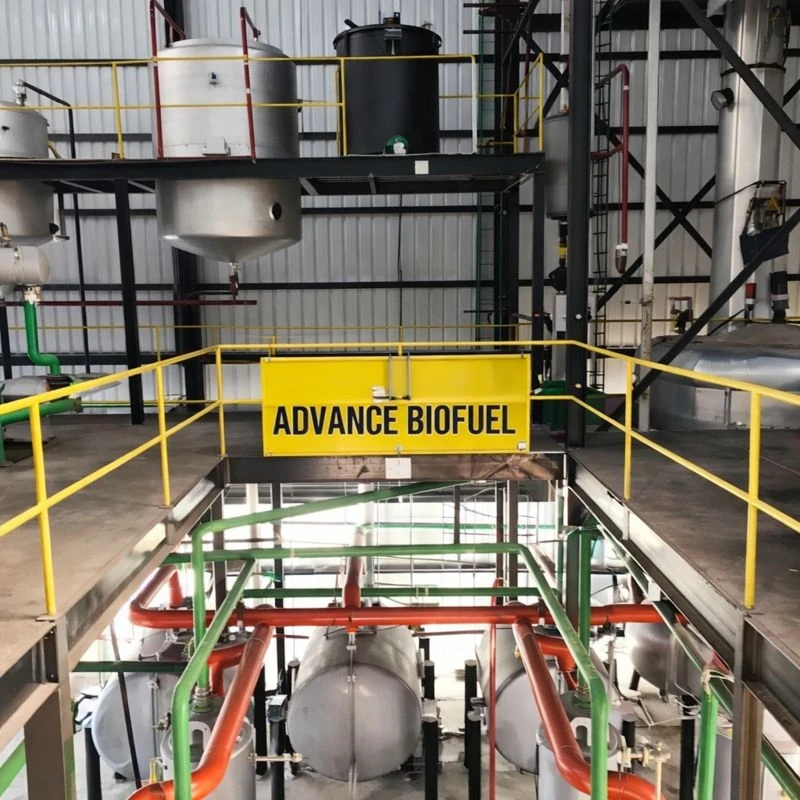

As the world shifts toward cleaner and more sustainable energy sources, biodiesel has emerged as a powerful alternative to traditional fossil fuels. A modern biodiesel plant plays a vital role in transforming organic feedstocks into usable renewable fuel, helping industries and governments reduce carbon emissions while supporting energy independence.
This guide explains how a biodiesel plant works, its key advantages, and why its future looks promising.
Understanding the Biodiesel Production Process
A biodiesel plant converts natural oils and fats into biodiesel through a chemical process called transesterification. Common raw materials include vegetable oils, used cooking oil, animal fats, and other organic feedstocks.
The basic production steps include:
Feedstock Preparation
Raw materials are first filtered and treated to remove water and impurities. Clean feedstock ensures higher fuel quality and smoother processing.
Transesterification
The prepared oil is mixed with alcohol (usually methanol) and a catalyst. This reaction separates the oil into biodiesel and glycerin.
Separation
After the reaction, biodiesel and glycerin naturally separate into two layers. The glycerin is removed for further refining or resale.
Washing and Drying
The biodiesel is washed to remove residual chemicals and then dried to meet fuel-quality standards.
Storage and Distribution
Finished biodiesel is stored in tanks before being distributed for transportation, power generation, or industrial use.
Modern plants use automated systems to improve efficiency, maintain consistent quality, and reduce production waste.
Key Benefits of Biodiesel Plants
Biodiesel plants offer multiple environmental, economic, and operational advantages:
Eco-Friendly Energy
Biodiesel significantly reduces greenhouse gas emissions compared to petroleum diesel. It is biodegradable and non-toxic, making it safer for the environment.
Renewable Resource
Unlike fossil fuels, biodiesel is produced from renewable organic materials, ensuring long-term availability.
Waste Reduction
Used cooking oil and other waste fats can be recycled into valuable fuel, minimizing landfill disposal.
Energy Security
Local biodiesel production reduces dependence on imported fuels and strengthens domestic energy systems.
Job Creation
From plant operations to feedstock collection and logistics, biodiesel facilities create employment across multiple sectors.
These benefits make biodiesel plants an attractive investment for regions aiming to meet sustainability goals.
Growing Demand and Industry Expansion
Global interest in renewable fuels continues to rise, driven by stricter emission regulations and increased awareness of climate change. Governments are introducing blending mandates that require biodiesel to be mixed with conventional diesel, accelerating market growth.
This demand has encouraged innovation among biodiesel plant manufacturers, who are developing advanced systems that improve yield, lower operating costs, and support multiple feedstock types.
Scalable plant designs now allow both small community projects and large industrial operations to participate in biodiesel production.
Applications of Biodiesel
Biodiesel produced in these plants is widely used across many industries:
- Transportation fleets
- Agricultural machinery
- Power generators
- Marine engines
- Construction equipment
It can be used alone or blended with conventional diesel, offering flexibility without requiring major engine modifications.
The Future Scope of Biodiesel Plants
The future of biodiesel plants looks strong as countries work toward net-zero targets and cleaner energy portfolios. Technological improvements such as continuous processing systems, better catalysts, and digital monitoring are making plants more efficient than ever.
Research is also expanding into second-generation feedstocks like algae and agricultural residues, which could further increase sustainability while reducing competition with food crops.
In developing regions, biodiesel plants offer an opportunity to turn local waste into energy, supporting rural economies and decentralized power systems.
Industry players like Advance Biofuel have demonstrated how innovation and smart engineering can help move renewable fuel production forward, setting benchmarks for performance and environmental responsibility.
Final Thoughts
A biodiesel plant is more than just a fuel facility—it is a cornerstone of the clean energy transition. By converting natural and waste materials into renewable diesel, these plants help protect the environment, strengthen energy security, and open doors to sustainable economic growth.
As technology advances and demand rises, biodiesel plants will continue to play a critical role in shaping a greener future. For businesses, policymakers, and communities alike, investing in biodiesel production is a practical step toward long-term sustainability.























Sign in to leave a comment.