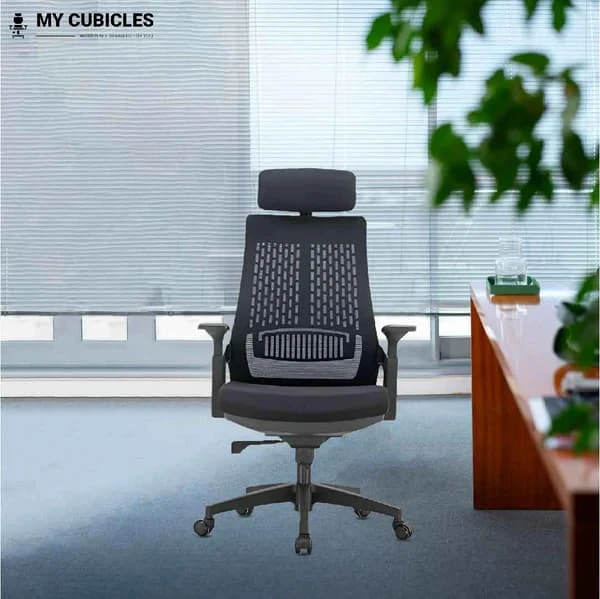

The shift to remote work has changed the landscape of how we approach our professional lives. For many, the comfort and functionality of a workspace have become paramount, especially when it comes to choosing the right seating. Investing in ergonomic chairs is not just a trend; it’s an essential decision for remote workers looking to enhance their productivity and well-being. In this article, we will explore the reasons why ergonomic chairs are crucial for anyone working from home.
Understanding Ergonomics
Ergonomics is the science of designing workplaces and products to fit the user’s needs. The goal is to improve comfort and efficiency while reducing the risk of injury. Ergonomic chairs are specifically designed to support the body’s natural posture, which is vital for individuals who spend long hours sitting at a desk.
The Rise of Remote Work
With the COVID-19 pandemic accelerating the remote work trend, many employees have transitioned from traditional office settings to home offices. While working from home offers flexibility and convenience, it also presents challenges, particularly regarding ergonomic support. Many workers find themselves using makeshift setups that can lead to discomfort and health issues over time.
Health Risks Associated with Poor Seating
- Back Pain
- One of the most common complaints among remote workers is back pain. Sitting for prolonged periods in poorly designed chairs can lead to strain on the lumbar region of the spine. Ergonomic chairs provide lumbar support, helping to maintain the natural curve of the spine and reducing the risk of chronic back pain.
- Neck and Shoulder Strain
- Without proper support, neck and shoulder strain can also become prevalent. Many remote workers hunch over their desks or lean forward to see their screens, leading to tension in the neck and shoulders. An ergonomic chair encourages correct posture, helping to alleviate this strain.
- Poor Circulation
- Sitting for extended periods can impede circulation, leading to discomfort and fatigue. Ergonomic chairs are designed to promote healthy blood flow, allowing for better circulation while seated.
Benefits of Investing in Ergonomic Chairs
- Enhanced Comfort
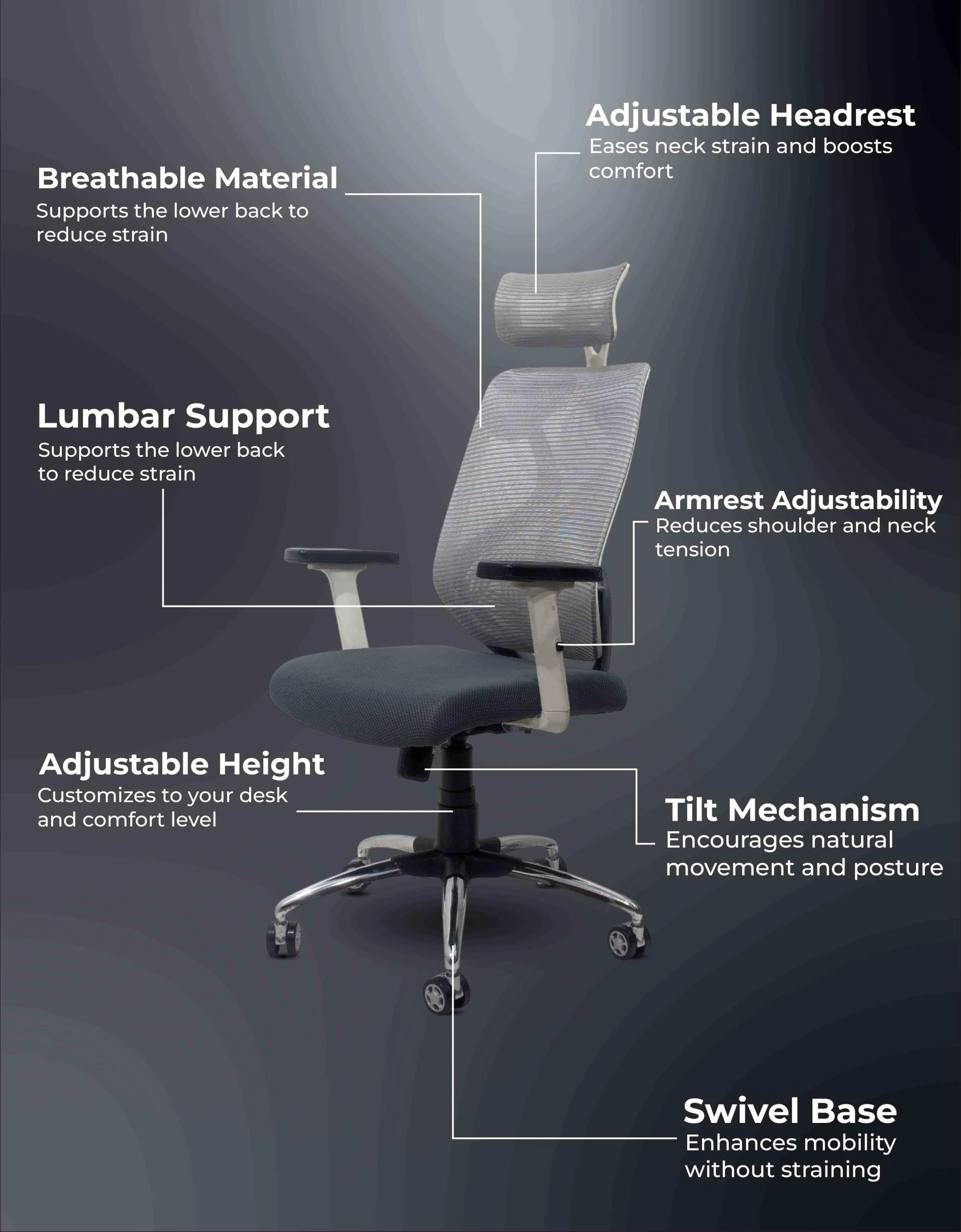
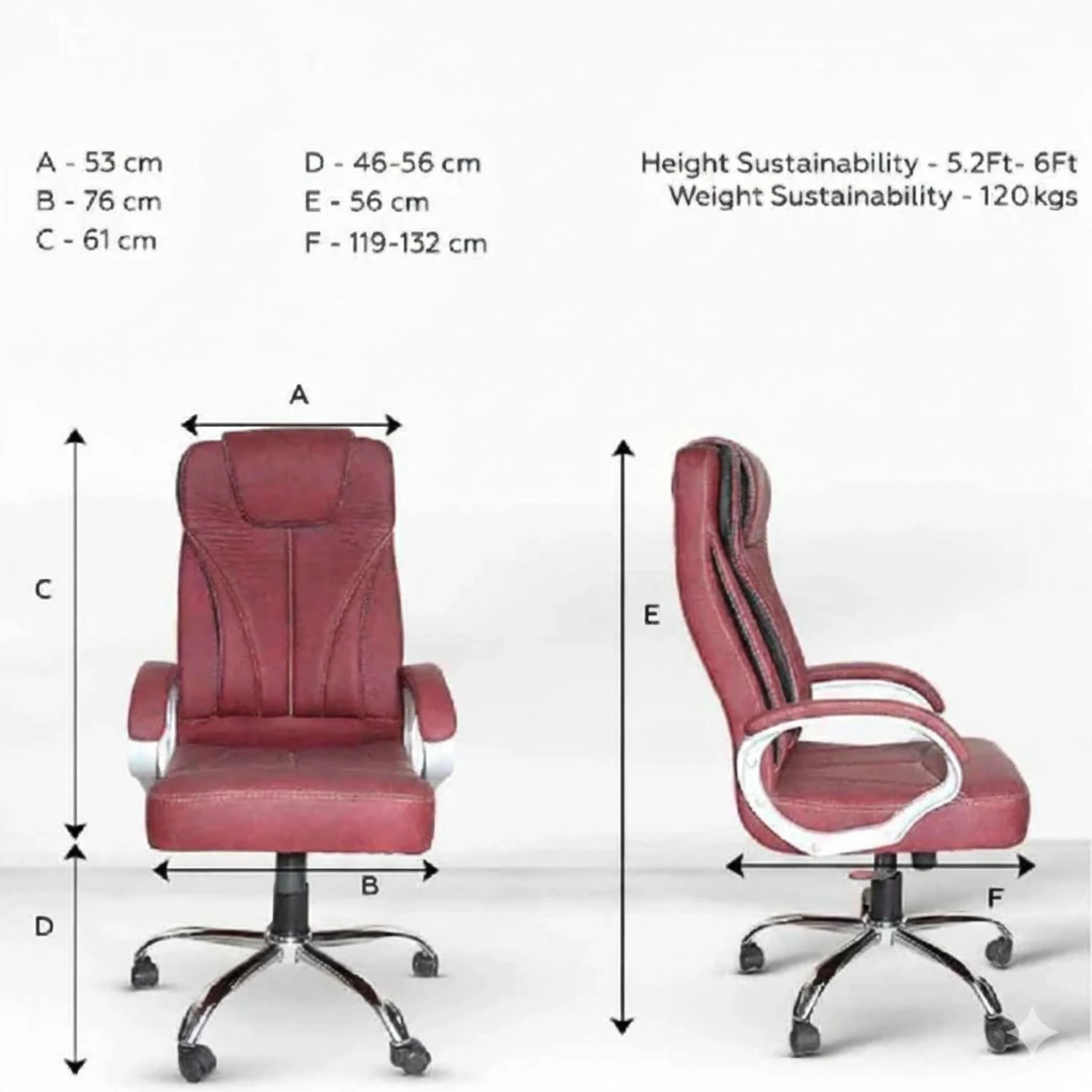
- Ergonomic chairs are designed with comfort in mind. Features such as adjustable seat height, lumbar support, and cushioned seating help to create a more pleasant working environment. When workers are comfortable, they can focus more effectively on their tasks.
- Improved Productivity
- Comfort directly correlates with productivity. When employees are not distracted by discomfort or pain, they can concentrate better and complete tasks more efficiently. A well-designed ergonomic chair can lead to significant gains in productivity.
- Customization Options
- Many ergonomic chairs come with adjustable features, allowing users to tailor the chair to their specific needs. This includes adjustable armrests, seat depth, and backrest angle. Such customization ensures that workers can find their optimal seating position, further enhancing comfort and support.
- Long-Term Investment
- While ergonomic chairs may have a higher upfront cost compared to standard office chairs, they are a long-term investment in health and productivity. The benefits of reduced discomfort and improved posture can lead to fewer health issues and less money spent on medical treatments in the future.
Choosing the Right Ergonomic Chair
When selecting an ergonomic chair, consider the following factors:
- Adjustability
- Look for chairs that offer multiple adjustment features. This includes the ability to change the height, backrest angle, and armrest positions. The more customizable the chair, the better it can accommodate individual preferences.
- Support
- Ensure that the chair provides adequate lumbar support. A good ergonomic chair should support the natural curve of the spine, helping to prevent back strain.
- Material Quality
- The materials used in the chair are crucial for comfort and longevity. Look for breathable fabrics and high-density foam padding that can withstand long hours of use.
- Mobility
- If you frequently move around your workspace, consider a chair with wheels and a swivel base. This will allow you to reach different areas of your desk without straining.
Creating an Ergonomic Workspace at Home
Investing in an ergonomic chair is just one part of creating a comfortable home office. Here are additional tips to enhance your workspace:
- Desk Height
- Your desk should be at the right height to complement your chair. When seated, your elbows should be at a 90-degree angle when typing.
- Screen Position
- Ensure your computer monitor is at eye level to prevent neck strain. The top of the screen should be at or slightly below eye level, and it should be about an arm's length away from your face.
- Keyboard and Mouse Placement
- Keep your keyboard and mouse close enough so that you don’t have to reach. Your wrists should be in a neutral position while typing to reduce strain.
- Regular Breaks
- Even with the best ergonomic setup, it’s important to take regular breaks. Stand up, stretch, and walk around to promote circulation and reduce fatigue.
The Psychological Impact of Comfort
Beyond physical health, comfort also plays a significant role in mental well-being. A well-designed ergonomic chair can create a positive working environment, leading to increased job satisfaction and reduced stress levels. When workers feel good in their workspace, they are more motivated and engaged in their tasks.
Conclusion
In the evolving landscape of remote work, investing in ergonomic chairs is essential for creating a supportive and productive home office environment. The benefits of enhanced comfort, improved posture, and increased productivity make ergonomic chairs a worthwhile investment for any remote worker. By prioritizing ergonomic solutions, you can ensure that your work-from-home experience is both comfortable and efficient.


























Sign in to leave a comment.