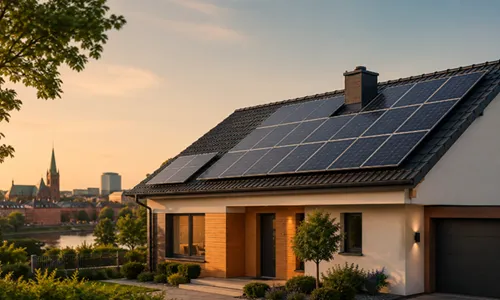

The global shift toward renewable energy has made solar power one of the fastest-growing energy sources. Homes, businesses, and industries are increasingly investing in photovoltaic (PV) systems to reduce electricity costs and lower their environmental impact. While solar panels generate clean electricity during daylight hours, the sun does not shine around the clock. This limitation makes reliable energy storage a critical component of any modern solar power system.
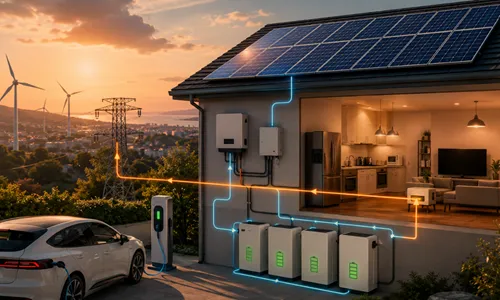
Energy storage for photovoltaics has become essential because it allows excess solar energy generated during the day to be stored and used whenever it is needed. Instead of sending surplus electricity back to the grid or losing potential energy, advanced battery storage systems ensure that every unit of clean energy is used efficiently. As electricity prices continue to rise and energy independence becomes a priority, combining photovoltaic systems with energy storage offers long-term financial and environmental benefits.
Understanding Energy Storage for Photovoltaic Systems
A photovoltaic system converts sunlight into electricity using solar panels. However, electricity production depends entirely on sunlight availability. During cloudy weather, nighttime, or periods of low solar generation, electricity production decreases significantly.
Energy storage systems solve this challenge by storing excess electricity produced during peak sunlight hours. Modern lithium-ion batteries and other advanced storage technologies capture this surplus energy and make it available whenever demand exceeds solar production. This creates a stable, reliable, and continuous power supply throughout the day and night.
Maximizing Solar Energy Utilization
Without battery storage, a significant portion of excess solar electricity may be exported to the electrical grid. While some utility companies offer compensation for exported power, the financial return is often lower than the cost of purchasing electricity later.
Energy storage allows homeowners and businesses to consume more of the electricity they generate themselves. This higher self-consumption reduces dependence on utility providers and improves the overall return on investment of a photovoltaic installation.
Instead of wasting valuable renewable energy, stored electricity can power lighting, appliances, heating, cooling systems, and electric vehicle charging whenever needed.
Protection During Power Outages
Power interruptions can occur unexpectedly because of storms, equipment failures, or maintenance work. For homes, businesses, hospitals, and industrial facilities, even a short outage can cause inconvenience, financial losses, or operational disruptions.
A photovoltaic system combined with battery storage provides backup power during grid failures. Essential devices such as refrigerators, communication systems, security equipment, computers, and medical devices can continue operating without interruption.
This increased reliability makes energy storage especially valuable for locations where consistent electricity is essential.
Lower Electricity Bills
Electricity pricing continues to increase in many regions around the world. Battery storage helps consumers reduce energy costs by minimizing electricity purchases during expensive peak-rate periods.
Instead of buying electricity from the grid when prices are highest, stored solar energy can be used during the evening or whenever electricity demand increases. This strategy lowers monthly utility bills while improving the financial value of the solar investment.
Over time, these savings can significantly offset the initial cost of installing an energy storage system.
Greater Energy Independence
One of the biggest advantages of combining photovoltaics with battery storage is increased energy independence.
Rather than relying entirely on utility companies, property owners gain greater control over their electricity supply. Even when electricity prices fluctuate or grid instability occurs, stored solar energy provides a dependable alternative.
For rural properties and remote locations where electrical infrastructure may be limited, energy storage creates a more reliable and self-sufficient energy solution.
Supporting a Greener Environment
Solar energy is already one of the cleanest renewable energy sources available. When paired with battery storage, its environmental benefits become even greater.
By storing and using renewable electricity instead of relying on fossil fuel-generated power, carbon emissions are reduced significantly. This helps lower greenhouse gas emissions, improve air quality, and support global climate goals.
Every kilowatt-hour of stored solar energy replaces electricity that might otherwise come from coal, natural gas, or other non-renewable sources.
Improved Grid Stability
Modern electrical grids face increasing pressure due to growing electricity demand and renewable energy integration.
Battery storage systems help balance electricity supply and demand by reducing sudden fluctuations in energy consumption. During periods of high solar generation, excess electricity is stored rather than overwhelming the grid. Later, that stored energy is released when demand increases.
This balanced energy flow contributes to a more stable and resilient electrical infrastructure.
Smart Energy Management
Today's energy storage systems include intelligent monitoring software that gives users complete visibility into their electricity production and consumption.
Through mobile applications and web-based platforms, users can:
- Monitor battery charge levels
- Track daily solar production
- Measure household electricity usage
- Optimize energy consumption
- Schedule battery charging during ideal conditions
These smart management features improve system efficiency while giving homeowners greater control over their energy usage.
Increasing Property Value
As renewable energy technologies become more desirable, properties equipped with photovoltaic systems and battery storage often attract greater buyer interest.
Potential buyers appreciate lower electricity costs, backup power capabilities, environmental sustainability, and modern energy technology. Installing energy storage can therefore become both an energy investment and a property value enhancement.
Future-Proofing Your Energy Investment
Renewable energy technologies continue to evolve rapidly. Governments worldwide are encouraging clean energy adoption through incentives, regulations, and infrastructure improvements.
Installing battery storage alongside a photovoltaic system prepares homeowners and businesses for future energy needs, including electric vehicle charging, smart homes, and greater renewable energy integration.
As battery technology continues improving, efficiency, lifespan, and affordability are expected to become even better, making today's investment increasingly valuable.
Conclusion
Energy storage has transformed photovoltaic systems from daytime electricity generators into complete, around-the-clock energy solutions. By storing excess solar power for later use, battery systems improve energy efficiency, reduce electricity bills, provide reliable backup power, and increase energy independence. They also contribute to a cleaner environment by maximizing the use of renewable energy while reducing dependence on fossil fuels.
As energy costs continue rising and sustainability becomes a priority, investing in energy storage for photovoltaics is no longer simply an optional upgrade—it is an essential step toward building a smarter, more reliable, and environmentally responsible energy future.

























Sign in to leave a comment.