

The landscape of marketing has shifted dramatically. It is unrecognizable from the era of dominating billboards and prime-time television commercials. The world has shifted online. Today’s consumers are not just passive recipients of advertising messages. They require relevance, speed, and, above all, authenticity. In my ten years in the marketing industry, I have seen many channels rise and fall. None, however, have provided the sustained, disruptive power of influencer marketing. Influencer marketing is no longer just a trend. It has surpassed traditional marketing as the superior choice for growth-focused brands.
The superiority of influencer marketing is not an opinion. It is a strategic conclusion. This article will break down the precise reasons why. We will explore the shift from corporate voice to human voice. We will analyze the move from broad metrics to precise targeting. We will understand why interactivity triumphs over passive viewership. We will discuss the psychology of trust and the economics of content production. We will also address the crucial need for technology, like Wolink, to manage this complex landscape.

The Trust Crisis and the Power of Authenticity
Traditional marketing faces a massive problem. Consumers do not trust ads. According to most surveys, ad blindness is increasing. People actively avoid, block, and ignore traditional advertising. They skip TV commercials. They use ad blockers. They discard direct mail. When a corporate entity makes a claim about its own product, consumers naturally raise their defenses. The message is perceived as inherently biased. The corporate voice feels distant. It is self-serving. This lack of trust is a fundamental bottleneck for traditional campaigns.
From Corporate Broadcast to Trusted Recommendation
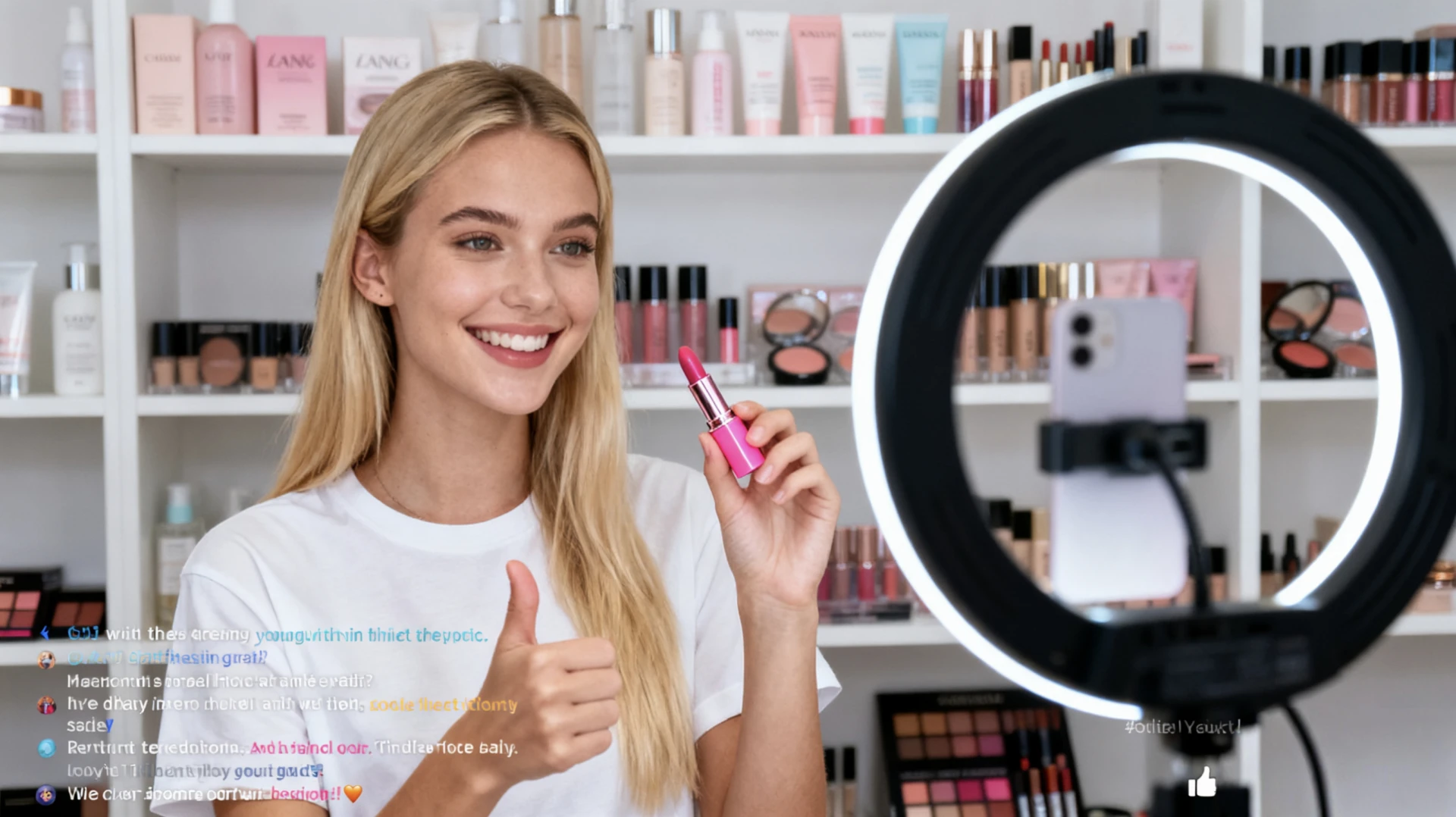
Influencer marketing operates on a different foundation. It is the monetization of trust. These creators have spent years building relationships. They share their lives, opinions, and expertise. Their followers view them not as an advertisement, but as a peer. Often, followers view them as a trusted friend. When an influencer recommends a product, it doesn't feel like an impersonal ad. It feels like a genuine recommendation. It is word-of-mouth at massive digital scale. A consumer trusts an influencer's opinion far more than a glossy corporate campaign. This is parasocial interaction. The audience feels like they have a real relationship with the creator. When that creator uses their voice, it carries psychological weight. Brands cannot buy that level of trust overnight through traditional ads.
Identifying the Genuine Voices with Wolink
But authenticity can be faked. This is where modern marketing needs robust technology. You cannot simply pick an influencer based on a high follower count. You need to ensure they have real influence. High-quality data is required. An influencer marketing platform like Wolink is essential here. Wolink provides transparency. It moves beyond superficial "vanity metrics." A brand can use Wolink to analyze an influencer’s audience quality. Wolink shows if the engagement is real. It reveals the genuine sentiment of the comments. Without tools like Wolink, you risk partnering with people who have fake followers. This ruins credibility. True authenticity requires validation. Wolink provides that validation, ensuring that the critical element of trust—the very thing that makes influencer marketing work—is present in every partnership.
Precision Targeting Over Broad Exposure
Consider a traditional billboard. Everyone who drives past it sees it. This includes the business professional, the college student, the grandmother, and the teenager. It's mass exposure. But who is your actual customer? You are paying for everyone, yet only a tiny fraction are potential buyers. This is incredibly inefficient. Traditional marketing sacrifices precision for scale. It uses broad strokes and expensive media placements. It hopes the right message hits the right person by sheer volume. In today’s competitive market, this "spray and pray" approach is outdated.
Micro-Communities and Hyper-Niche Reach
Influencer marketing is the surgical alternative. Influencers are not broadly famous. They are famous within specific communities. They have "niched down." There is an influencer for everything. Examples include: vegan baker in Chicago, mechanical keyboard enthusiast, sustainability-focused fashion blogger, or SaaS (Software as a Service) tool expert. Each of these influencers has cultivated a hyper-targeted audience. This audience is already deeply interested in that specific topic. By partnering with the right influencer, a brand doesn't just "advertise." It gets direct, welcomed access into a community of ideal prospects. The relevance is extremely high. When you reach a community that is already passionate, your conversion rates naturally increase. This is efficient marketing.
Finding the Right Niche with Wolink’s Analytics
Finding that precise niche, however, is difficult. Manually searching through social media is incredibly time-consuming. This is another area where a platform like Wolink excels. Wolink’s powerful database allows brands to filter influencers by multiple granular criteria. You don’t just search for "beauty." You search for "skincare for acne-prone skin," "cruelty-free makeup," or "luxury beauty in Singapore." You can filter by audience demographics, location, and interests. Wolink transforms a chaotic search into a structured data analysis. Wolink ensures that you find the exact micro-community that is most likely to need and buy your specific product. This data-driven targeting is a major advantage over the broad, wasteful approach of traditional media.
Content Creation: Lower Costs and Higher Relevance
Traditional marketing content is a major expense. Think of the budget for a single 30-second television spot. You must pay a creative agency to develop the concept. You have to hire a production company. You need directors, actors, lighting, and sound crews. Then you have expensive post-production and editing. This process takes months. The final product is static. It may not even resonate by the time it airs. It's often high-gloss, expensive, and sometimes sterile. In many ways, traditional media spends millions on content that feels like an interruption.
Agile Production and Cultural Fluency
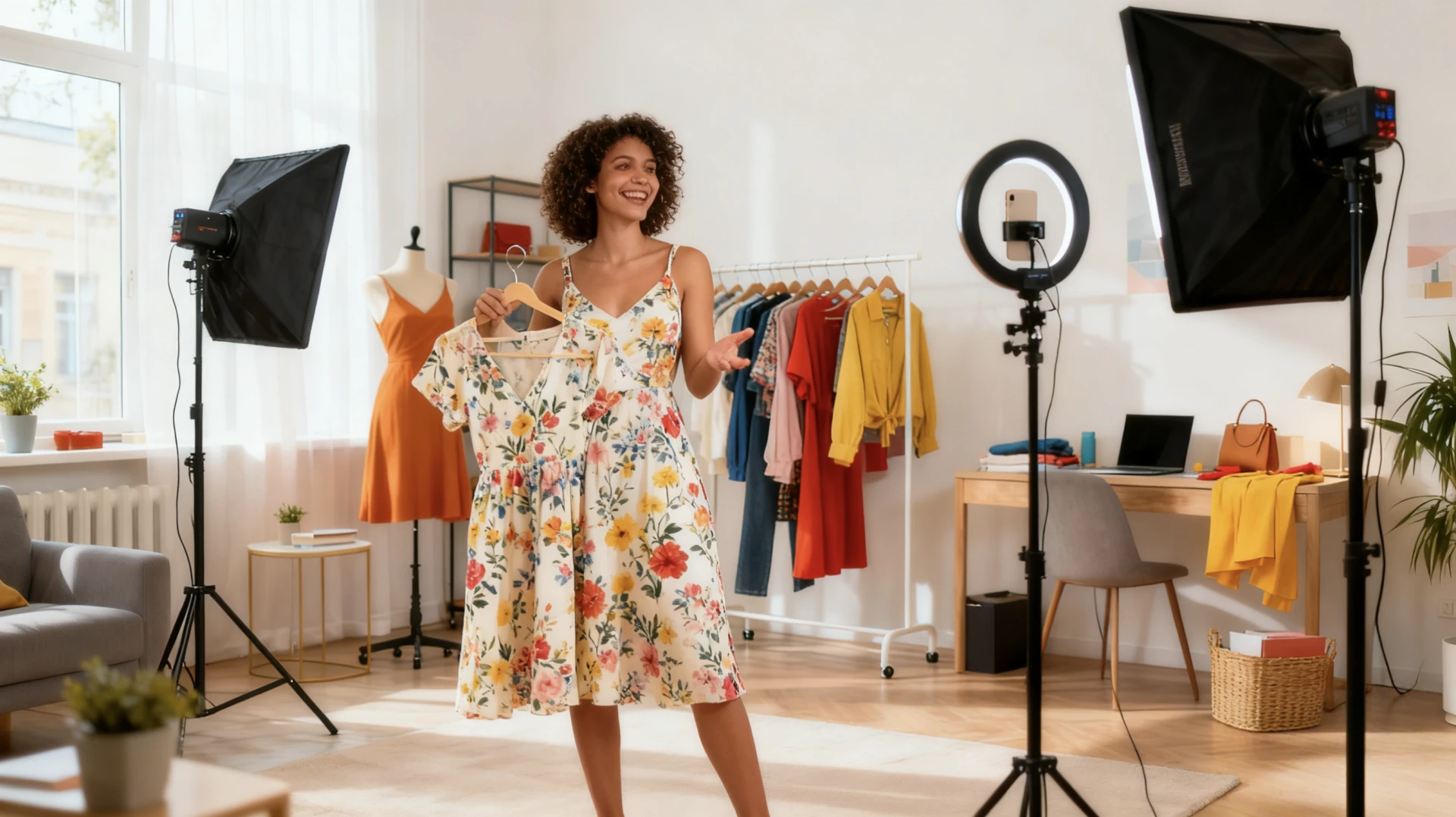
Influencer marketing offers a vastly superior model for content creation. An influencer is a creator. They are their own agency, director, star, and editor. They produce content every single day. This makes them highly efficient. The content they produce is naturally formatted for the social platform it lives on. It uses the right trends. It speaks the language of the internet. It doesn't look like an ad; it looks like engaging native content. Brands don't need huge budgets for an influencer campaign. They pay for the endorsement, and the content comes included. This content is inherently more relevant. It aligns perfectly with the current cultural conversation. An influencer can see a trend in the morning and produce a brand video about it by the afternoon. This agility is impossible for traditional marketing.
Managing Content Rights and Approval in Wolink
Coordinating content from many different influencers, however, can be a logistical nightmare. That is where a centralized platform is necessary. Wolink streamlines the entire creative process. Brands can use Wolink to set clear creative briefs. You can manage submissions. Crucially, you can manage the content approval workflow directly within the Wolink system. Wolink ensures that all content adheres to brand guidelines before it goes live. This eliminates endless email chains. Furthermore, Wolink helps manage licensing and usage rights for the resulting assets. Wolink turns chaotic content management into an organized, efficient supply chain, allowing brands to benefit from influencer content without the logistical headache.
Engagement vs. Passive Exposure
The success metric for traditional marketing is often "impressions." How many eyes "saw" the billboard? How many people were "tuned in" when the radio ad played? This is passive exposure. A consumer can see a TV ad while looking at their phone. They can drive past a billboard and never register it. Passive exposure is a low-value metric. In the digital age, a "view" means very little if it doesn’t lead to an action. Traditional marketing often generates noise without creating engagement.
Conversations, Shares, and Active Participation
Influencer marketing thrives on engagement. This is the opposite of passive. A "like," a comment, a share, or a save is an active choice. When an influencer posts, their community does not just watch. They participate. The comments section becomes a live focus group. Followers ask questions about the product. They share their own experiences. They tag their friends who might also be interested. The influencer often replies, creating a two-way dialogue. This level of interactive involvement is vastly more powerful than a passive "impression." Engagement signals that the consumer has connected with the message. They are not just viewing; they are interacting. This active participation significantly shortens the path from awareness to purchase.
Tracking Real Engagement Metrics in Wolink
Measuring this engagement can be tricky. This is another reason technology is required. Manual tracking is impossible at scale. A robust platform like Wolink offers real-time campaign tracking. Wolink does not just count impressions. It tracks clicks, interactions, and genuine engagement rates. It calculates true metrics like Engagement Rate on Reach. This allows a brand to see exactly how consumers are reacting to the content in real-time. Wolink also enables the use of unique tracking links or promo codes for each influencer. This data is the key. Wolink lets a marketing expert know which partners are driving not just noise, but profitable, measurable action.
Superior Measurability and Return on Investment (ROI)
For decades, traditional marketing had a notorious measurement problem. John Wanamaker, a marketing pioneer, famously said, "Half the money I spend on advertising is wasted; the trouble is I don't know which half." With traditional media, measuring direct ROI is exceptionally difficult. How many people bought a soda because they saw a billboard? You can guess, or look at correlations, but you can rarely know with certainty. Traditional marketing relies heavily on proxies and modeled data.
Granular Data and Conversion Attribution
Influencer marketing is inherently measurable. It exists in the digital world, where every interaction leaves a data trail. Every click can be tracked. Every view is recorded. Every conversion can be attributed. Through the use of unique affiliate links, personalized coupon codes, and landing pages, you can know exactly which influencer generated which sale. You can see your exact cost per acquisition (CPA). You can calculate your return on ad spend (ROAS) down to the cent. In today's performance-driven market, this level of granularity is non-negotiable. Influencer marketing gives brands the data they need to make real-time decisions and prove the business impact of their marketing budget.
Analyzing Complete Campaign Performance in Wolink
But collecting data is only the first step. Analyzing it is what creates value. Wolink provides this capability. Instead of siloed data from various influencers, Wolink aggregates all campaign performance data into a comprehensive dashboard. It doesn't just list sales. Wolink enables deep analysis. You can compare the ROI of different influencers. You can analyze the cost-effectiveness of different platforms (e.g., TikTok vs. Instagram). You can understand which content formats (Reels vs. Stories) drive the best performance. Wolink transforms data into actionable insights, moving from simple measurement to strategic optimization, maximizing the ROI of every campaign dollar.
The Flexibility and Scalability of Influencer Marketing
Traditional marketing is inflexible. Once you buy a six-month billboard contract, you are committed. You cannot change the ad message on a whim without significant cost and delay. Traditional media buys often require massive upfront commitments. This structure disadvantages small businesses and prevents larger brands from being agile. A national TV campaign requires a single, rigid plan that takes immense resources to launch and almost as much effort to stop.
Agile Campaigns for Every Budget and Goal
Influencer marketing is modular and incredibly flexible. You can work with one influencer for a product launch, or one thousand for a brand awareness drive. You can run a weekend test with micro-influencers for under $5,000. You can pivot. If a specific creative direction is not working, you can shift the brief for future influencers instantly. Campaigns can be scaled up or down based on performance. The low barriers to entry and the ability to test and learn make it the perfect solution for businesses of all sizes, from local startups to global enterprises. It's a scalable strategy that adapts to your needs.
Automating the Scale: The Wolink Solution
However, true scaling is the hardest part. Managing ten influencers is a job. Managing five hundred is an impossibility without technology. It is a full-time logistical operation involving hundreds of emails, contracts, payments, and approvals. This is why a sophisticated tool is a marketing expert's best friend. Wolink automates these operational complexities. Wolink handles the entire campaign lifecycle. Within the platform, you can recruit at scale, manage contracts, send payments globally, and collect content automatically. Wolink turns a manual nightmare into an automated process. By removing the operational friction, Wolink allows brands to focus on the strategy, not the spreadsheets, making large-scale, high-impact influencer marketing campaigns not just possible, but highly efficient.
Conclusion
Marketing is about meeting the customer where they are. Today, customers are on social platforms, deeply engaged with creators they trust. They seek recommendations, not ads. They want conversations, not broadcasts. Influencer marketing is not just an "extra" channel. It is the new foundation of modern communication. It wins on authenticity, precision, content relevance, engagement, measurability, and flexibility.
The question is not whether influencer marketing is better than traditional marketing. The question is: when will you fully commit to the channel that actually works in the digital age? The human voice has won over the corporate billboard. It is time to align your marketing strategy with that unavoidable truth, and use the right tools to build relationships that drive real, measurable growth.






















Sign in to leave a comment.