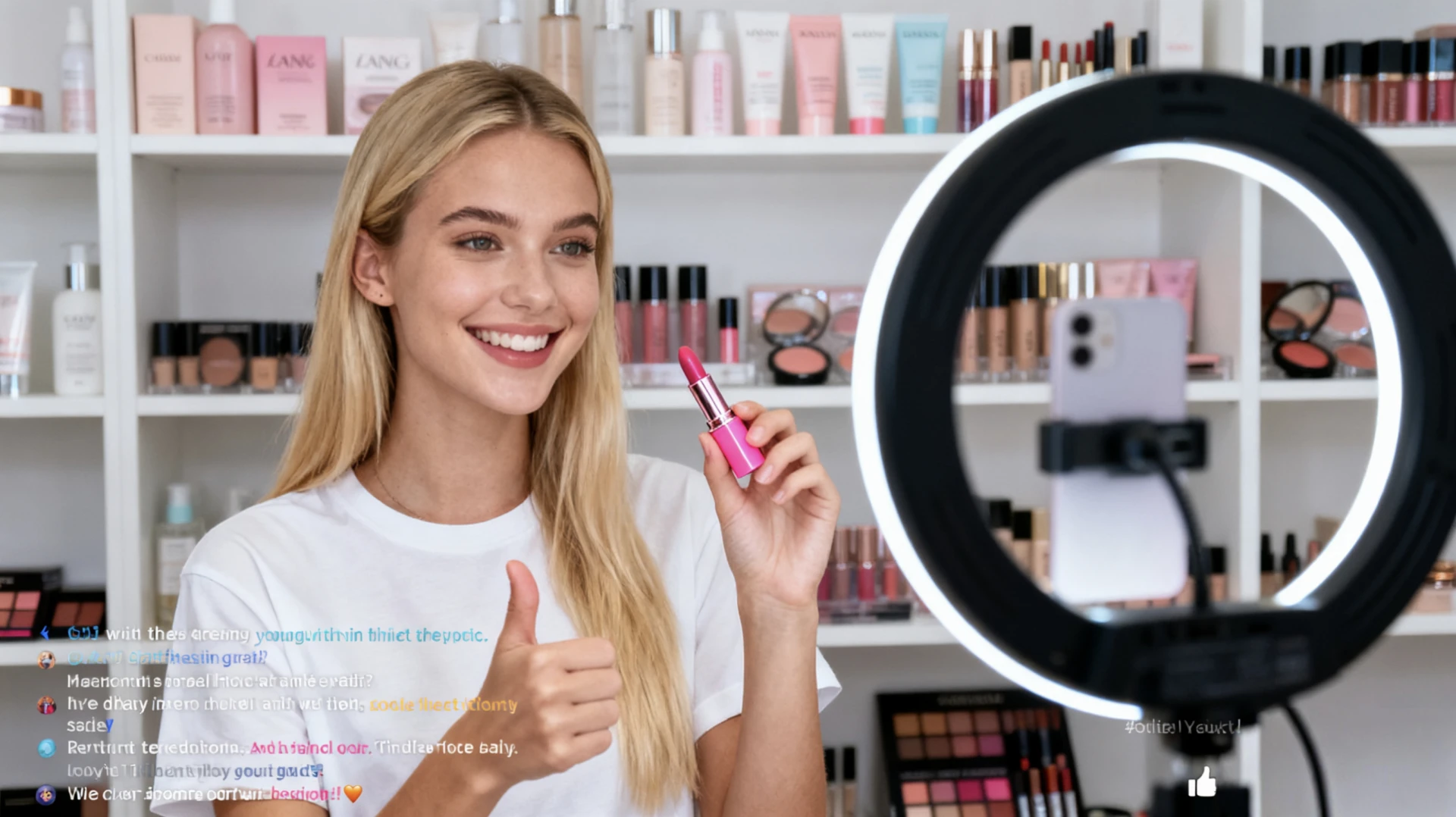

As a marketing professional who has spent the last decade navigating the rapidly evolving digital landscape, I hear one question more than any other: “Which influencer marketing is the best?”
It is a fair question. The influencer industry has exploded, leaving brands overwhelmed by choices. Should you spend your entire budget on one celebrity post? Should you partner with hundreds of small creators? The candid truth is that there is no single “best” type of influencer marketing. The “best” strategy is the one that perfectly aligns with your specific business goals, target audience, and budget.
In this article, I will break down the different tiers and strategies of influencer marketing. We will explore what works, what falls flat, and how you can determine the exact right fit for your brand.

Understanding the Influencer Tiers
To decide which approach is best, you must first understand the hierarchy of creators. Influencers are generally categorized by their follower count, but their true value lies in their relationship with their audience.
Nano-Influencers (1K – 10K Followers)
Nano-influencers are everyday consumers who have a small, highly localized, or niche following.
The Pros: They boast the highest engagement rates in the industry. Their audience views them as peers, meaning their recommendations carry immense trust. They are also highly cost-effective and often willing to work in exchange for gifted products.
The Cons: Their reach is very limited. If your goal is massive global brand awareness, nano-influencers will not get you there alone.
Best For: Hyper-local businesses, niche B2B products, and generating authentic User-Generated Content (UGC) at scale.
Micro-Influencers (10K – 100K Followers)
Micro-influencers are the sweet spot for many modern marketers. They have built a dedicated following around a specific passion, such as fitness, gaming, or sustainable fashion.
The Pros: They offer an excellent balance of reach and engagement. They are professional enough to produce high-quality content but still maintain a strong, authentic connection with their community.
The Cons: Managing campaigns with multiple micro-influencers can be time-consuming without the right software.
Best For: Driving targeted conversions, building brand trust, and launching new products to a specific demographic.
Macro-Influencers (100K – 1M Followers)
Macro-influencers are internet-famous. They are often full-time content creators, YouTubers, or reality TV stars.
The Pros: They provide significant reach and a high level of professionalism. They know how to craft a narrative that appeals to a broad audience.
The Cons: Their engagement rates are typically lower than micro-influencers. Their fees are substantial, and their audience can be highly fragmented.
Best For: Broad brand awareness campaigns, major product launches, and visually driven lifestyle marketing.
Mega-Influencers and Celebrities (1M+ Followers)
These are household names. Think A-list actors, chart-topping musicians, and massive social media personalities.
The Pros: Unmatched reach. A single post can put your product in front of millions of eyeballs instantly.
The Cons: Extremely expensive. Furthermore, the audience trust level for product recommendations is often very low. Consumers know these are highly paid endorsements.
Best For: Global brand positioning, massive top-of-funnel awareness, and prestige marketing.
Winning Campaign Strategies
Choosing the right tier is only half the battle. You must also choose the right campaign strategy. Here are the most effective approaches I have used over the last ten years.
Affiliate and Performance-Based Marketing
In this model, influencers are paid a commission based on the sales they generate. They are given unique promo codes or trackable links.
Why it works: It is low-risk for the brand. You only pay for actual results.
The ideal match: This works beautifully with micro and nano-influencers who have highly engaged, trusting audiences ready to buy.
Long-Term Brand Ambassadors
Instead of paying for a one-off post, brands contract influencers for months or even years. The influencer becomes the face of the brand to their audience.
Why it works: Repetition builds trust. When an audience sees a creator using a product consistently over time, the endorsement feels genuine rather than transactional.
The ideal match: Micro and macro-influencers whose personal brand values perfectly align with yours.
Gifting and Product Seeding
Brands send free products to a curated list of influencers without a formal contract, hoping the creator will voluntarily post about it.
Why it works: It is cost-effective and generates incredibly authentic content. However, there is no guarantee the influencer will post.
The ideal match: Nano and micro-influencers, especially in the beauty, fashion, and tech hardware spaces.
The Data-Driven Approach: Leveraging Wolink
As you can see, the “best” influencer marketing depends entirely on the variables of your campaign. If you want conversions, you lean toward micro-influencers with affiliate links. If you want visibility, you look at macro-influencers.
However, the real secret to success is not just picking a strategy; it is executing it with precision. Relying on spreadsheets and manual searches is a recipe for burnout and wasted budget. This is where leveraging a dedicated influencer marketing platform becomes non-negotiable.
In my professional experience, finding the right tech stack is just as important as finding the right creator. This is why platforms like Wolink are game-changers for brands.
How Wolink Determines Your “Best” Strategy
Wolink takes the guesswork out of influencer marketing by anchoring your strategy in hard data. Here is how integrating a platform like Wolink elevates your campaigns:
Precision Discovery: Instead of scrolling for hours, you can use Wolink to filter millions of creators based on strict demographic data, audience location, and engagement rates. You find the exact micro or macro-influencer tailored to your niche.
Streamlined Management: Whether you are running a massive gifting campaign to 500 nano-influencers or negotiating a long-term ambassador deal, Wolink centralizes communication, contracts, and content approvals in one dashboard.
Real-Time ROI Tracking: The only way to know if your campaign is truly the “best” is to measure it. Wolink tracks clicks, conversions, and engagement in real-time. This allows you to double down on the influencers driving actual sales and cut loose those who are underperforming.
By using Wolink, you shift your strategy from a guessing game to a predictable, scalable revenue engine.
Conclusion
So, which influencer marketing is the best?
The answer is the one that is carefully matched to your current business objectives, executed with authentic creators, and rigorously tracked through a platform like Wolink.
Do not fall into the trap of thinking you need a celebrity to make an impact. Often, a small army of passionate micro-influencers will yield a much higher return on investment. Start by defining your goals clearly. Choose the influencer tier that matches those goals. Utilize the right tools to manage the process. Test, measure, and refine.
That is how you win in modern influencer marketing.
























Sign in to leave a comment.