

Having spent over a decade working deep within the marketing industry, I have watched countless trends rise and fall. None, however, have held the persistent attention of brands as much as influencer marketing and User-Generated Content (UGC). I understand the confusion and the nuances that can lead even seasoned marketers to wonder if they are simply different terms for the same strategy. This is a crucial question to resolve, especially as marketing budgets tighten and every dollar is scrutinized for ROI.
In this article, I will unpack this complex topic, drawing upon my extensive experience and specialized knowledge in influencer marketing to clarify the definitions, outline the critical distinctions, explore their unique values, and show how a hybrid approach, facilitated by a powerful platform like Wolink, is the optimal way to maximize your marketing impact. To provide you with a comprehensive understanding, this introduction will set the stage, moving far beyond a surface-level overview to establish a solid foundation for the subsequent discussion.
Understanding the difference is not just an academic exercise; it is fundamental to crafting effective campaigns that resonate with modern consumers, who are more skeptical of traditional advertising than ever before. This deep-dive will empower you with the clarity needed to make informed strategic decisions.
Defining Influencer Marketing: Professional Creator Partnerships
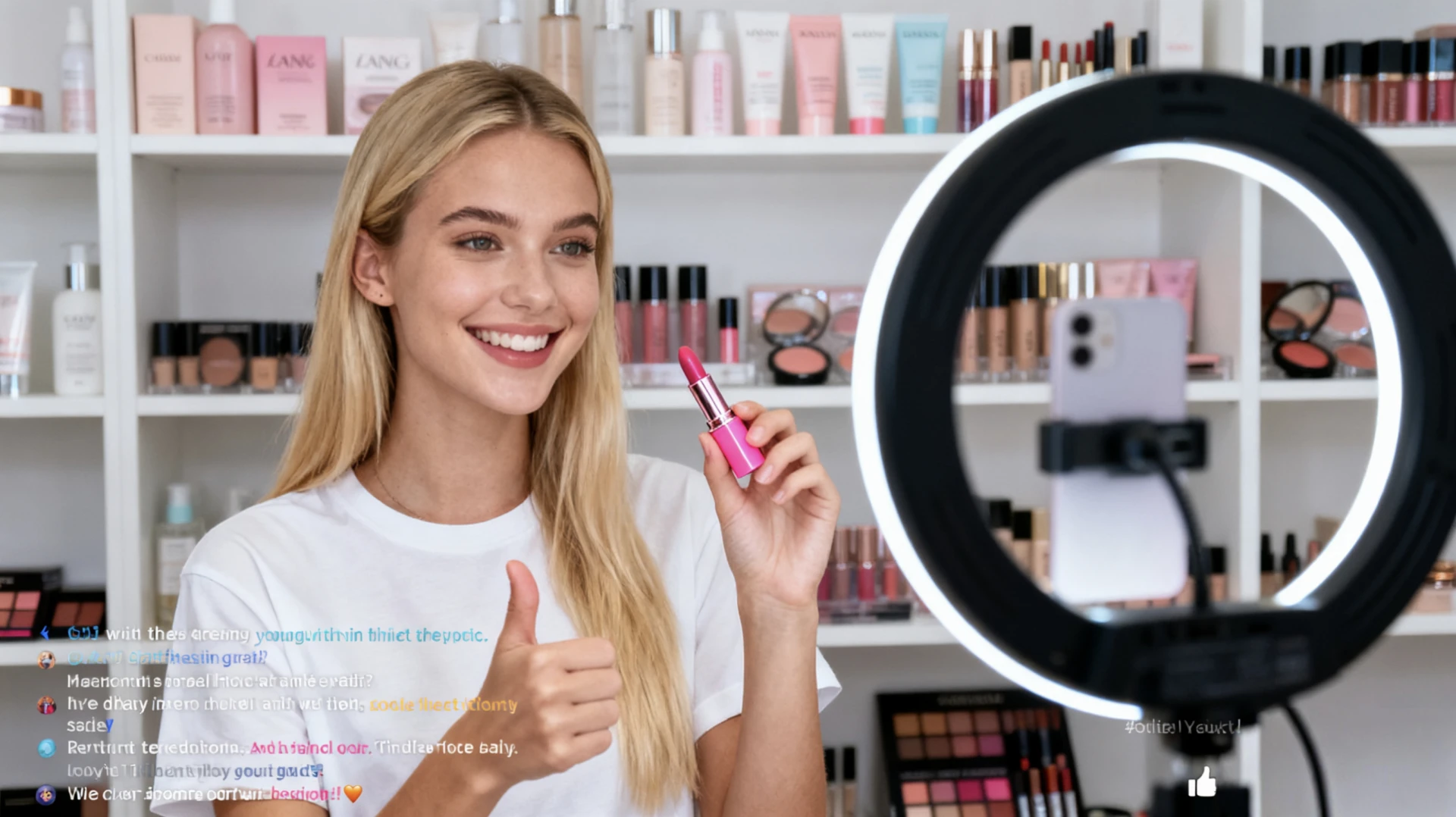
Let’s start by defining influencer marketing as I have practiced it for years. At its core, influencer marketing is a strategic form of marketing that leverages relationships with individuals who possess significant social influence within a specific niche. These individuals, known as influencers or creators, have built a dedicated and engaged following on social media platforms like Instagram, YouTube, TikTok, and blogs.
This method is characterized by a planned partnership between a brand and a creator. It is rarely a passive event; it is a collaborative campaign where both parties agree on deliverables, creative direction, and compensation. This agreement is often formalized in a contract, detailing content types, posting schedules, and specific calls-to-action (CTAs). The fundamental purpose is to distribute the creator’s authentic endorsement or review of a product or service to their established audience.
The goal is to tap into the trust, authority, and relatability that the influencer has developed with their followers. Unlike traditional celebrity endorsements, which rely on fame, influencer marketing relies on digital-first credibility and a sense of shared community. Brands partner with these individuals to achieve specific business objectives, such as:
Brand Awareness: Reaching new and highly-targeted audiences.
Engagement: Generating conversation and interaction around the brand.
Lead Generation: Driving traffic to a website or landing page.
Sales: Incentivizing purchases through unique discount codes or affiliate links.
Creators are paid for their services. This compensation can be financial, in the form of free products, or a combination of both. Crucially, the creator maintains ownership and creative control of the narrative while working within brand guidelines. They are seen as professionals who specialize in creating compelling content and building communities, making them powerful partners for a brand’s marketing efforts.
Defining User-Generated Content (UGC): The Voice of the Customer
User-Generated Content, or UGC, represents the authentic, unpaid content created by genuine users of a product or service. This form of content is not a marketing strategy initiated by a brand but rather a natural byproduct of a customer's positive or negative experience. My experience has shown me that UGC is arguably the most powerful form of social proof available to a brand today.
The definition is simple: it is content about a brand, product, or service that is not created by the brand itself. This content is produced and shared by real customers, clients, or fans. Examples of UGC include:
Online Reviews: Ratings and comments on platforms like Google, Yelp, Amazon, or a brand's website.
Social Media Mentions: A customer taking a photo of their new outfit and tagging the clothing brand.
Unboxing Videos: Videos of customers opening a new gadget for the first time.
Blog Posts: An honest write-up of a new skincare routine, including product reviews.
Community Discussions: Comments on Reddit or other forums about a brand’s service.
The essential characteristic of UGC is that it is not produced for financial compensation. The creator is not under contract. They are motivated by a genuine desire to share their experience, offer advice to others, or simply be a part of a community. While a brand might incentivize UGC through contests, rewards, or reposting, the act of creation itself remains a user’s choice.
UGC's value lies in its authenticity and peer-to-peer nature. Modern consumers are savvy; they recognize marketing content from a mile away. When they see real people using, enjoying, or even critiquing a product, they trust that information far more than a brand’s own advertisements. UGC acts as third-party validation, reducing perceived risk for potential buyers.
Influencer Marketing vs. UGC: The Key Distinctions
Now that we have clearly defined both concepts, we can explore the critical distinctions that separate them. Drawing from my extensive experience, I find that many marketers mistakenly treat these as interchangeable, leading to suboptimal results. The core differences can be categorized into five main areas: creation source, purpose, control, cost, and perspective.
1. Creation Source and Authority
The primary distinction is the source of the content. In influencer marketing, the creator is a defined public persona with an established reputation, authority, and a large following. They are professional content creators. The content is distributed through the creator’s own well-established channels. The influencer’s authority and perceived expertise are the central drivers.
In contrast, UGC is created by the "common user" or a "genuine customer." The creator’s personal profile or following is often irrelevant to the content’s impact. The person sharing a review on Amazon might have zero social media followers, yet their review is incredibly valuable. UGC’s power comes from its collective voice and raw authenticity, not the creator’s reputation.
2. Purpose and Goal of the Content
The intentionality behind the content is fundamentally different. Influencer content is designed to be a piece of professional marketing. It has specific objectives and metrics to achieve. The goal is to push an audience toward a brand’s goal, such as awareness, leads, or conversions. It is optimized to achieve a brand objective.
UGC, on the other hand, is generally an output of customer satisfaction or engagement. Its primary purpose is not to market for the brand; it is to share an experience, express gratitude, or offer a sincere opinion. It serves as social proof, helping other potential customers build trust and confidence in the product. It helps to validate the brand’s promises in a real-world context.
3. Level of Brand Control and Professionalism
This is a key area where my professional experience is invaluable. With influencer marketing, a brand maintains a significant level of control. A contract explicitly defines the creative guidelines, key messaging, timelines, and legal requirements. There is a detailed brief, content approvals are often required, and performance is formally tracked. The content is produced to be professional and on-brand.
UGC offers very little brand control. A user can write an honest review, post a spontaneous photo, or produce a low-quality video. The tone, timing, and perspective are entirely in the user’s hands. Brands can encourage UGC, but they cannot dictate its content, quality, or authenticity. This lack of control is exactly what makes UGC so valuable; it is perceived as unbiased and unfiltered.
4. Cost Structure and Compensation
The financial relationship between the creator and the brand is distinct. In influencer marketing, there is a clear and direct exchange of value. The creator is paid, whether through a flat fee, product gifting, a commission, or a combination. The model is inherently business-to-business. The influencer expects to be compensated for their time, creative skills, and audience access.
UGC, at its core, is free. Brands do not pay for authentic UGC. While they might incentivize it through contests, referral programs, or by sending free products, the content itself is not commissioned or purchased. When a brand repurposes UGC for its own channels, it is considered a non-commercial endorsement.
5. Content Style and Perspective
Finally, the visual style and tone are different. Influencer content is usually polished, high-resolution, carefully framed, and aesthetically pleasing. It is designed to stand out. The perspective is often educational, inspirational, or authoritative. Influencers create "storylines" that incorporate a brand.
UGC has a raw, imperfect, and "real-life" aesthetic. It is often shot with simple smartphone cameras, is unedited, and can be candid. This imperfect style is exactly what makes it so trustworthy. The perspective is purely personal and experiential, focused on how the product works in a user's day-to-day life. It is the definition of a peer review.
The Essential Overlap: When an Influencer is a Genuine User
While I have outlined these key differences, the complexity in the marketing industry arises where they intersect. An influencer is, after all, a user. In some cases, an influencer will use their personal, authentic perspective to create content that mirrors UGC.
1. Authentic Endorsement as an "Insider"
When an influencer is a true fan of a brand and promotes it organically without a paid partnership, this is a hybrid. It is a powerful form of UGC with the reach and authority of an influencer. In my years of experience, this is the Holy Grail of modern marketing. A creator’s uncommissioned post can be more effective than a dozen paid campaigns because it is indisputably authentic. This content is difficult to obtain but is a product of excellent community building.
2. Brands Paid-for-"UGC-style" Content from Creators
This is a modern tactic where the confusion often originates. A brand might pay a content creator, who may or may not be a large-scale influencer, to produce content that looks like UGC for the brand to use on its own channels, such as social media ads, website product pages, or email campaigns. The content mimics the "raw" aesthetic of UGC but is legally a paid professional asset. In this scenario, the brand controls the brief and pays the creator, but uses the asset in a way that provides social proof on their owned channels. This is still influencer marketing at its core, but is a strategic choice of style.
3. Influencer Whitelisting
This is another hybrid concept that requires professional management. Influencer whitelisting is a process where a brand receives permission from an influencer to put paid social media advertising spend behind a creator's organic post from that influencer's own handle. The content itself is an influencer’s endorsement, but the distribution is boosted through paid advertising channels controlled by the brand. This combines the influencer’s authenticity with the brand’s reach. This method requires specialized knowledge and tools to manage effectively.
The Power of combining Influencer Marketing and UGC for Strategic Success
In my ten-plus years of marketing, I have come to the clear conclusion that the most successful modern marketing strategies do not choose between influencer marketing and UGC; they integrate both. These two concepts should not be seen as rivals but as complementary components of a comprehensive marketing ecosystem. To truly master this is to understand their strategic values.
Influencer marketing is highly effective for building brand awareness, changing brand perception, and driving new audiences into the marketing funnel. It provides the initial credibility and "expert" authority. The influencer can introduce a brand to their community in a compelling, structured way, ensuring the key message is clear and professionally delivered.
UGC is the ultimate validator. Once a potential customer is aware of the brand through an influencer's content, they search for validation from their peers. Authentic UGC provides that social proof. It acts as the final confirmation that other real people trust and use the product, reducing purchase anxiety and significantly improving conversion rates. UGC provides the collective voice that reinforces the expert endorsement.
The strategic optimal model is to use influencer marketing to create a "buzz," generate massive reach, and define the brand narrative professionally, while simultaneously cultivating and collecting organic UGC from customers. This creates a powerful cycle: professional content drives interest, which leads to purchases, which generates organic UGC, which reinforces the trustworthiness of future professional campaigns.
Leveraging Wolink: A Modern Platform for Modern Marketers
To successfully manage this combined strategy, a robust platform is essential. As a marketing professional, I understand that the manual management of influencer relationships, campaign tracking, content approvals, and UGC collection is a major challenge that can lead to missed opportunities. Wolink is an innovative influencer marketing platform that has been developed to solve these issues. While it is built as an influencer marketing platform, its functionality is critical for modern marketers managing a hybrid content strategy.
Streamlining Influencer Marketing with Wolink
First and foremost, Wolink allows brands to find and connect with the perfect influencers for their niche. Its detailed search features enable marketers to discover creators based on precise criteria, such as audience demographics, interests, and engagement rates, ensuring a perfect brand-creator fit. This addresses the challenge of finding authentic voices in a cluttered digital landscape.
The platform provides an end-to-end campaign management suite. Marketers can easily manage the entire process, from sending initial briefs and negotiating contracts to approving content drafts and scheduling posts. The professional nature of influencer marketing is well-supported, ensuring brand safety and campaign control. Wolink's tracking and analytics features give real-time insights into campaign performance, from reach and engagement to conversions, allowing for data-driven optimization.
Optimizing the UGC Ecosystem with Wolink
For a hybrid strategy, Wolink provides the critical tools to analyze and track the performance of influencer-generated content. Marketers can use these insights to identify which pieces of content resonate most with the audience and should be leveraged as "UGC-style" assets in paid social advertising or whitelisting campaigns. By understanding which influencer assets perform best, brands can make data-backed decisions about which content to repurpose for maximum ROI. The platform can help with the crucial task of managing these complex content relationships and performance tracking.
Conclusion
To revisit our central question: is influencer marketing the same as UGC? The answer is a clear and definitive no. They differ in their source, purpose, control, cost, and style. They are distinct, and treating them the same is a strategic error.
However, they are undeniably the two most powerful pillars of a successful modern content strategy. Influencer marketing provides professional creation, expert authority, and strategic reach to build awareness. User-Generated Content provides raw authenticity, social proof, and peer validation to build trust and drive conversions.
The optimal strategy is not to pick one over the other but to use them in a harmonious blend. Modern marketers should use platforms like Wolink to streamline and professionalize their influencer marketing campaigns, while also making a concerted effort to cultivate and collect authentic UGC from their loyal customer base. A deep understanding of the differences and interactions between these two powerful forces will empower you to create a marketing strategy that is not only effective but truly resilient and resonant in today’s complex digital landscape.




























Sign in to leave a comment.