

Launching an engineering product without adequate validation can create expensive problems later. Mechanical testing provides practical evidence of how a component or assembly behaves under expected loads, movement, pressure, vibration, temperature, or repeated use. From an engineering perspective, testing is most valuable when it is planned alongside design—not treated as a final inspection step.
What Does Mechanical Testing Reveal About Product Performance?
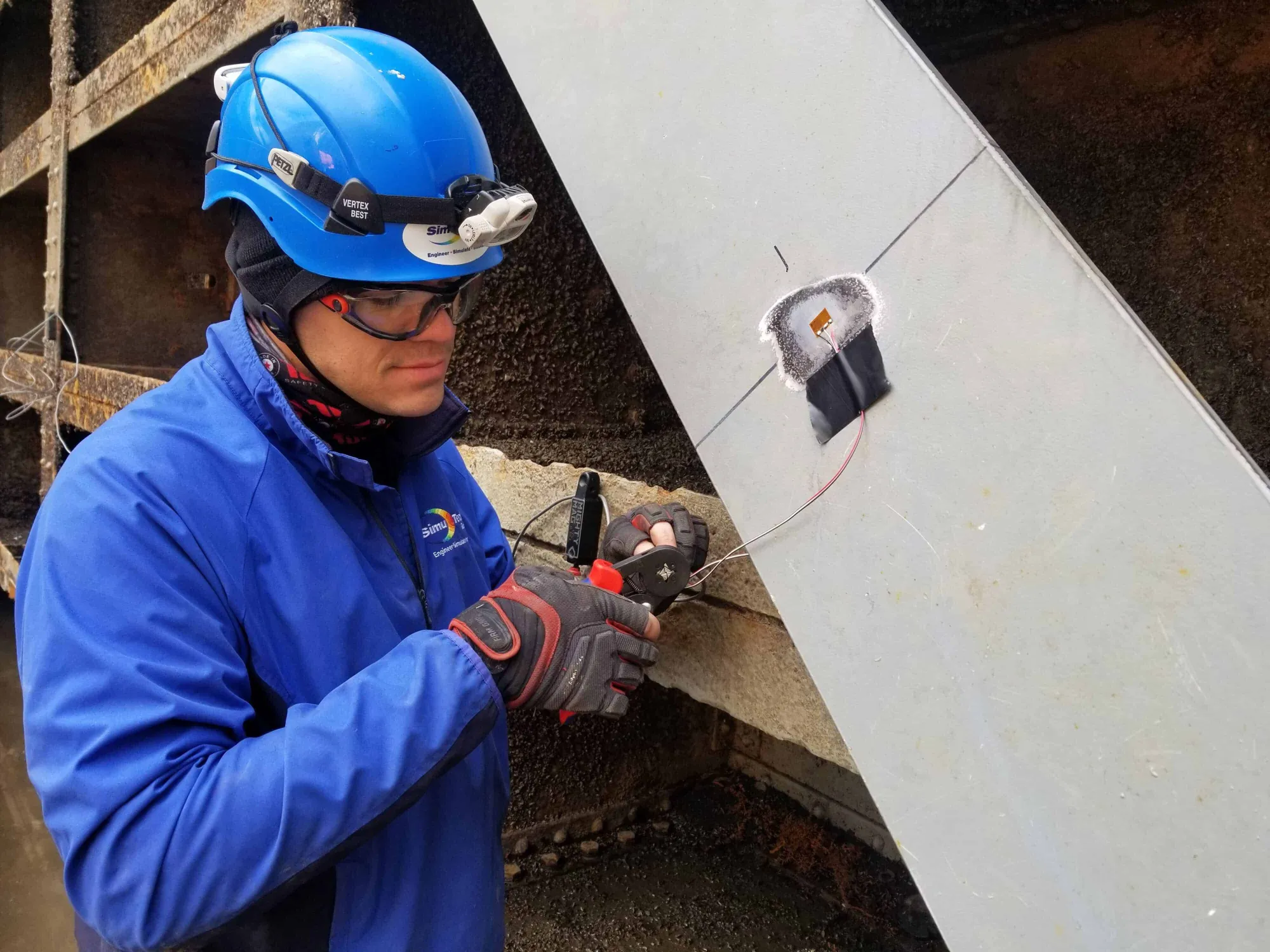
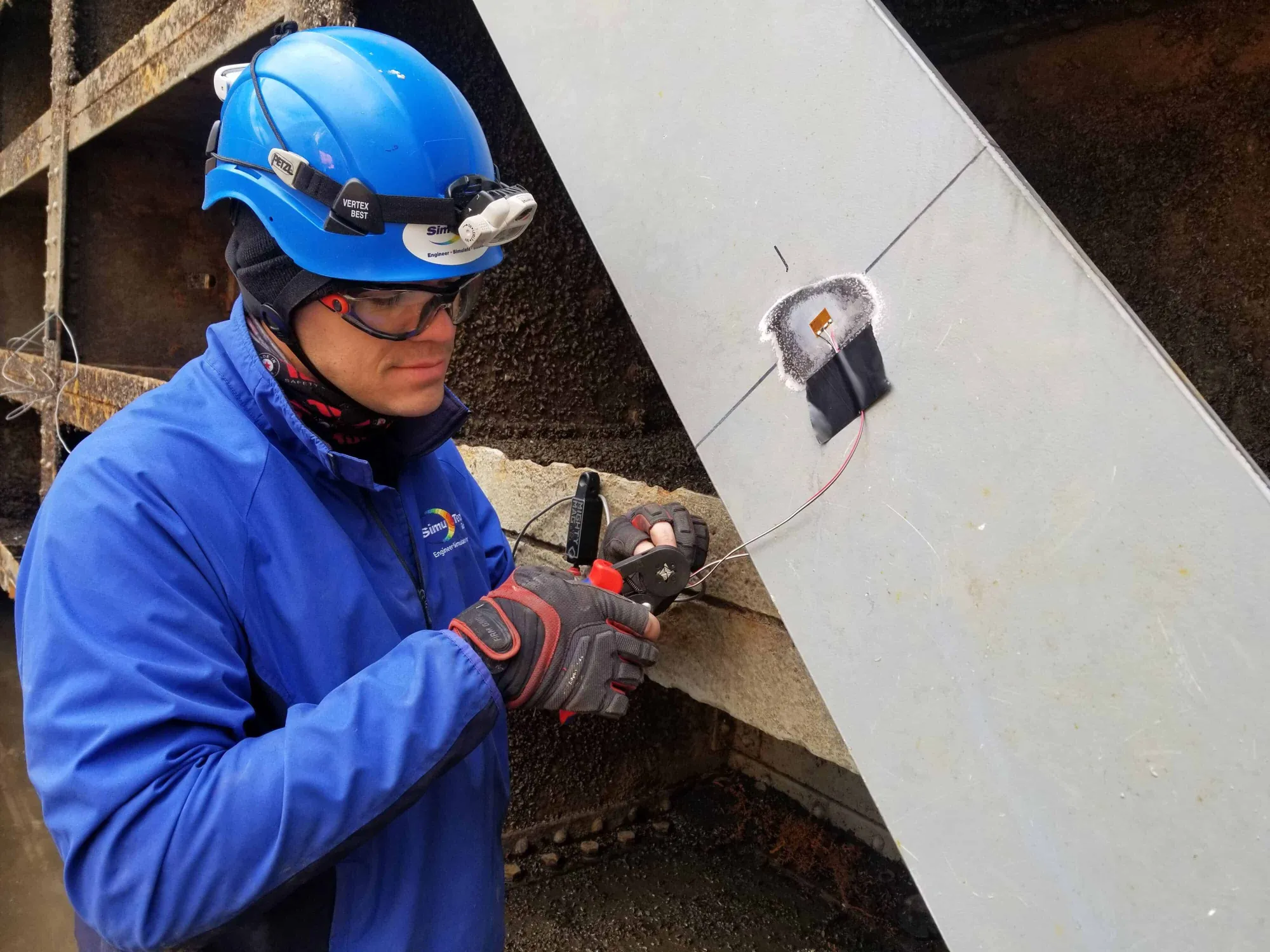
Computer simulations can predict how a design should perform, but physical testing helps confirm those predictions under controlled conditions. Engineers can identify weaknesses such as excessive deformation, fatigue, cracking, premature wear, connection failures, or unexpected material behavior. This information can then guide design modifications before production volumes increase.
Testing also helps engineers understand the difference between theoretical performance and real-world behavior. Material variations, manufacturing tolerances, surface conditions, assembly methods, and environmental factors can all influence the final result. A structured validation program brings these variables into consideration.
How Does Testing Support Safer and More Reliable Products?
Reliability is not simply about making a component stronger. Engineers need to understand how a product behaves throughout its intended service life. Repeated-load testing, fatigue evaluation, impact testing, and other appropriate methods can reveal failure mechanisms that may not appear during a basic inspection.
For manufacturers, this knowledge can reduce redesign cycles, warranty exposure, unexpected field failures, and production delays. It can also provide documented evidence that supports quality requirements and customer expectations.
Why Should Testing Be Combined With Engineering Simulation?
The most effective development programs often connect simulation with physical validation. Simulation can identify critical areas and help engineers optimize a design before prototypes are produced, while testing provides real-world data that can be compared with analytical predictions. Differences between the two can reveal assumptions that need refinement.
Conclusion
Mechanical validation is an important part of responsible engineering development. By identifying weaknesses early, confirming design assumptions, and generating measurable performance data, engineers can make better-informed decisions before a product reaches the market. For companies seeking practical engineering insight and simulation expertise, Simutech Group can support a more structured approach to design analysis and product validation.
























Sign in to leave a comment.