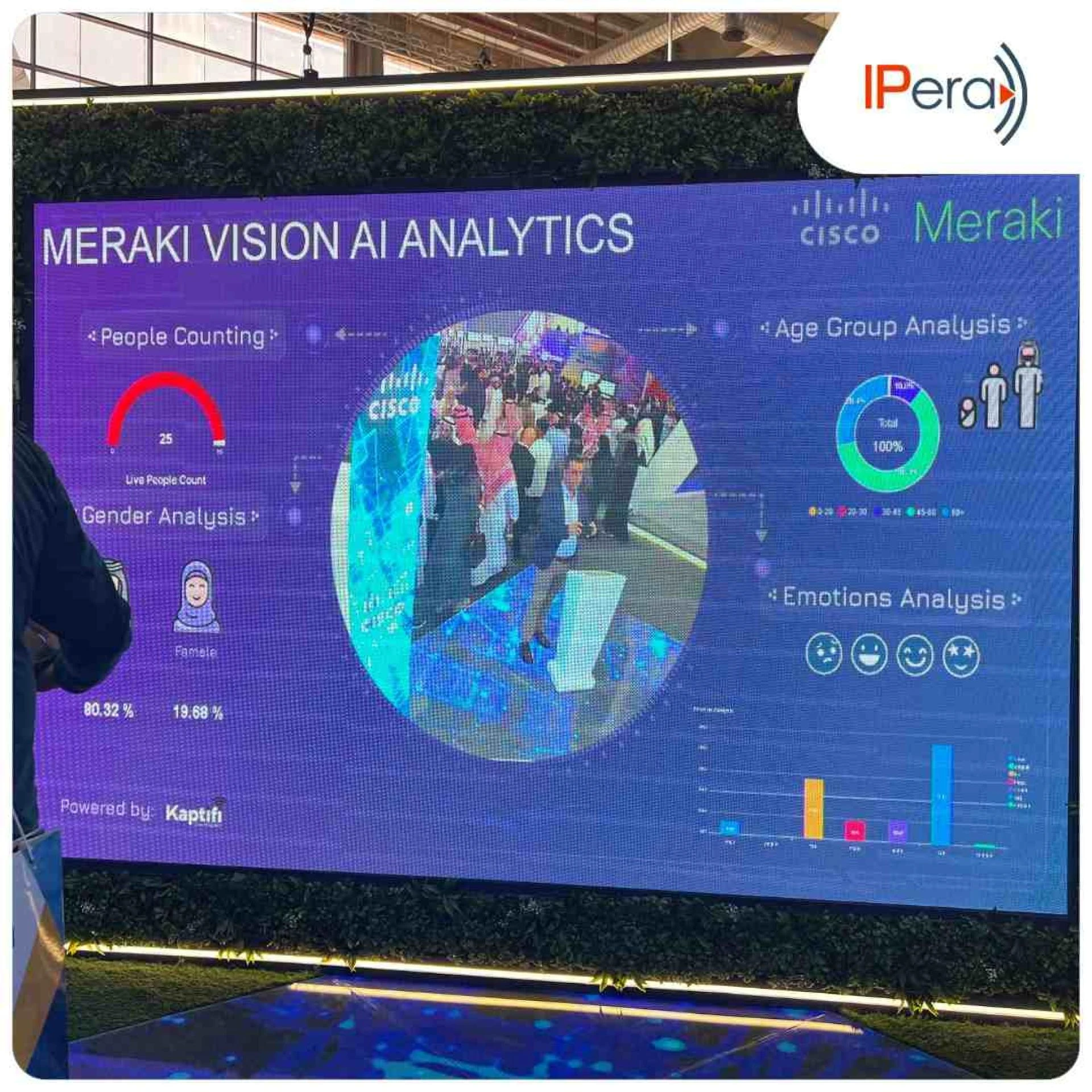

The efficient management of assets stands as a pivotal factor for operational smoothness and strategic foresight. The introduction of real-time tracking technologies has empowered organizations to oversee and manage their assets with exceptional clarity and accuracy. The significance of real-time tracking in asset management shines a light on the innovations and methods that are reshaping the industry.
The Rise of BLE Technology in Asset Tracking
Bluetooth Low Energy (BLE) technology has emerged as a significant player in asset monitoring solutions, owing to its minimal power consumption and precise location accuracy. By affixing BLE beacons to assets, organizations can promptly monitor their locations, conditions, and movements. This detailed data facilitates proactive maintenance, enhanced security measures, and streamlined inventory control processes.
How Does BLE Technology Transform Asset Tracking?
BLE technology transforms asset monitoring by providing low energy consumption and accurate location details. Attaching BLE beacons to assets enables immediate updates on their statuses, locations, and movements. This level of detail supports proactive maintenance endeavors, strengthens security measures, and simplifies inventory management procedures.
IoT Infrastructure: The Backbone of Asset Monitoring
The Internet of Things (IoT) infrastructure plays a vital role in effective asset surveillance by interconnecting sensors, devices, and platforms into a unified network. IoT enables real-time data collection and analysis from assets. This data-centric approach allows for predictive analytics to foresee potential issues beforehand, thereby reducing downtime and prolonging the lifespan of assets.
Navigating Indoor Spaces with GPS Technology
Indoor GPS technology tackles the challenge of tracking assets within enclosed spaces where traditional GPS signals might falter. By utilizing Wi-Fi, BLE technology, along with inertial sensors in indoor GPS setups; organizations can achieve precise location tracking even within intricate indoor settings.
Efficiency at Its Core: Beacon-Based Asset Tracing
Beacon-driven asset tracing systems utilize BLE beacons to transmit signals captured by receivers or smartphones for instant location insights into asset movement within facilities. These systems seamlessly blend into existing workflows due to their simplicity.
Proximity Data Analysis: Optimizing Asset Usage
Proximity data analysis harnesses signal information from tracking technologies to comprehend how assets interact with their surroundings; enabling organizations to optimize placements for increased productivity across industries reliant on efficient asset utilization patterns.
Exploring New Frontiers with Advanced Technologies
Advanced technologies like RFID (Radio-Frequency Identification), NFC (Near Field Communication), along with AI algorithms are propelling more sophisticated management strategies forward; expanding the horizons of asset monitoring practices.
Digital Platforms: Central Hub for Intelligent Tracking Operations
Digital platforms act as central hubs amalgamating diverse data sources offering comprehensive insights into all equipped assets through analytical tools processing real-time actionable information empowering decision-makers towards optimizing allocation lifecycle management effectively.
Automated Asset Positioning Systems: Shaping Future Tracking Approaches
Automation steps in through autonomous positioning systems blending sensors software track-assets autonomously reducing manual intervention heightening accuracy levels significantly anticipated surge automation propelling these systems mainstream adoption within managerial practices.
Maximizing ROI Through Cost-Effective Tracking Approaches
Organizations seek cost-efficient avenues maximizing return on investment leveraging technologies like BLE & IoT curbing losses enhancing informed decision-making maintenance schedules boosting overall cost efficiency markedly.
Analyzing Behavioral Patterns: Delving Deeper into Asset Usage Trends
Behavioral patterns analysis delves beyond mere location tracking understanding how assets are utilized overtime examining usage trends helps identify inefficiencies implement changes improving utilization leading substantial cost savings productivity enhancements.
Conclusion
In conclusion, real-time tracking is a pivotal element in contemporary asset management, providing unparalleled insights into asset performance and usage. The technologies highlighted, ranging from BLE to IoT and indoor GPS, epitomize the forefront of asset tracking solutions. As these technological advancements progress, they are poised to unlock fresh opportunities for streamlined, intelligent, and cost-efficient asset management endeavors.




























Sign in to leave a comment.