
In clinical diagnostics, accuracy isn’t just a preference—it’s the foundation of every decision. When it comes to detecting high-risk pathogens like SARS-CoV-2, the margin for error narrows even further. Laboratories must ensure their testing methods are consistent, sensitive, and reproducible, especially as variant strains emerge and testing demand fluctuates.
To maintain this level of precision, labs rely on reference standards that mimic real viral targets without posing infectious risk. This is where SARS-CoV-2 panels come into play. These panels serve as reliable benchmarking tools, allowing labs and assay developers to validate their molecular-based assays against a known, quantifiable standard. With SARS-CoV-2 still present in clinical workflows, the ability to detect viral RNA accurately remains mission-critical.
Inside The Design: Why These Panels Matter
What distinguishes high-quality SARS-CoV-2 from others is its composition. For example, reference panels built from non-pathogenic recombinant RNA viruses—engineered to carry authentic SARS-CoV-2 target sequences—ensure molecular tests respond as they would with real patient samples. These sequences often include regions like ORF1ab, RDRP, S, E, N, M, and ORF8, which are common across more than 160 testing assays globally.
The effectiveness of these panels lies in their ability to represent a range of viral loads. For example, panels may contain member concentrations ranging from 1,000 to 1,000,000 copies/ml. This range enables laboratories to assess a test’s sensitivity across various viral loads, from early infection to peak viral presence. The reference standard typically sits at 500,000 copies/ml, acting as a midpoint control for consistency across batches.
Additionally, panels that include unique regions within the coronavirus family help labs differentiate SARS-CoV-2 from similar pathogens—an essential trait in multi-pathogen detection scenarios.
The Case for Quantitative Validation
When a molecular test is launched or revised, establishing a quantitative benchmark is not optional—it’s essential. Labs must prove that their assay produces reliable, linear results across the entire testing range. SARS-CoV-2 panels help validate this by acting as stable, reproducible controls that can be run alongside patient samples.
Moreover, regulatory requirements often demand such validation. Clinical labs preparing for inspections or certification processes rely on documented performance backed by well-characterized panels. Using reference panels that simulate actual sample behavior enhances confidence during audits and ensures that results withstand scrutiny.
Futureproofing Diagnostic Performance
The battle against emerging variants is not yet over. Even as the global pandemic crisis subsides, SARS-CoV-2 remains a concern in healthcare settings. The reliability of molecular tests hinges on their ability to detect shifts in the viral genome—something only robust validation tools can support.
That’s why SARS-CoV-2 continues to play a vital role in assay development and maintenance. Whether used by test manufacturers during R&D or by clinical labs for routine verification, these panels help future-proof detection efforts, especially as testing moves toward multiplex platforms.
Why Leading Labs Depend On Them
The strategic use of SARS-CoV-2 panels enhances confidence in detecting the virus. These panels offer quantifiable controls across a dynamic range of viral loads, simulate real-world conditions with non-pathogenic viral constructs, and provide essential validation data that meets both internal and regulatory standards.
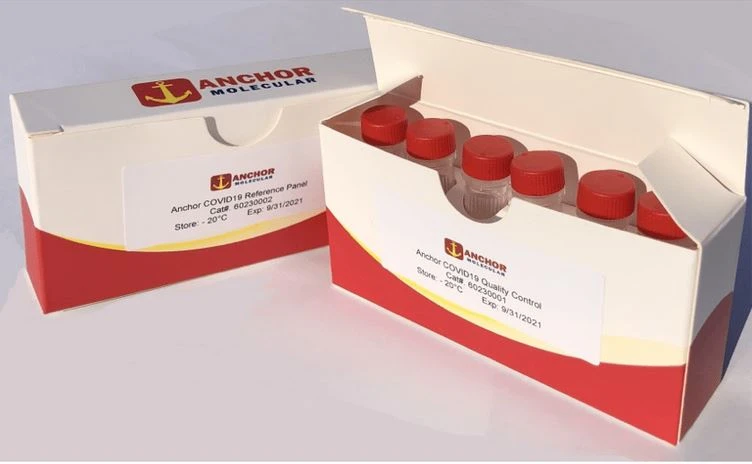
It’s no surprise that respected institutions and developers turn to proven solutions to ensure their assays remain effective. One such example is Anchor Molecular, whose carefully engineered reference panels continue to support the accuracy and reliability that today’s labs demand.





























Sign in to leave a comment.