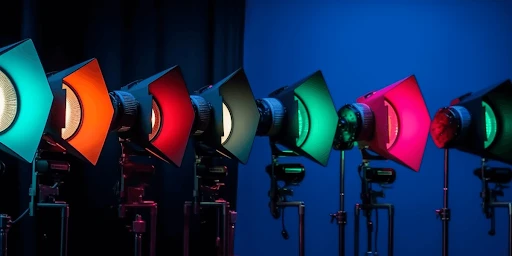

Lighting does more than just brighten a scene, it shapes the whole feel of your video. It’s easy to underestimate its impact, but it influences how your subject looks, how sharp your visuals are, and whether the overall tone feels right. Getting it just right takes some effort, sure, but when you do, the difference is clear.
If your goal is to tell a story that looks polished and pulls people in, then lighting’s your best friend. It sets the mood, helps focus attention, and makes certain parts of your frame stand out in the right ways. Without it, even the best camera can’t save a flat or poorly lit scene.
What Does Lighting Actually Do?
Lighting is what filmmakers and photographers use to shape their visuals. It’s not just about brightness, it’s how you use shadows, contrasts, and colors to create an emotional tone. A little light in the right place can highlight a face or an object, add mood, or even tell the viewer where to look.
You don’t always need expensive gear. A window with good sunlight and a bit of creativity can go a long way. Whether it’s a controlled setup or a sunny afternoon, what matters is how you use the light you’ve got.
Four Main Types of Lighting
1. Natural Light – Comes from the sun or moon. It’s soft, even, and feels familiar. Great for everyday scenes.
2. Artificial Light – Comes from lamps, bulbs, or screens. It gives you full control over intensity and direction.
3. Diffused Light – Softens shadows and spreads light evenly. Think of it like light bouncing off a white ceiling.
4. Reflected Light – Bounces off surfaces to reduce harsh shadows and bring out facial details or textures.
Tools That Help with Lighting
- Diffusers: Soften strong light to avoid harsh shadows.
- Stands: Hold your lights at the right height and angle.
- Reflectors: Bounce light where you need it.
- Gels: Change the color of light for mood or correction.
- Softboxes & Umbrellas: Help spread light more evenly.
- Tripods & Mounts: Keep your camera steady while you adjust the lights.
Lighting in Action
Good lighting tells your viewer what to focus on. It builds a visual rhythm that pulls them into the story. It’s the difference between something that looks thrown together and something that feels thoughtful and professional.
Lighting Techniques You Should Know
Three-Point Lighting
1. Key Light – The main source of light. Usually the brightest.
2. Fill Light – Fills in the shadows. Not as bright as the key.
3. Back Light – Comes from behind the subject. Helps separate them from the background.
Soft vs. Hard Light
Soft Light – Gentle, wraps around subjects, reduces harsh shadows. Great for interviews.
Hard Light – Strong and direct. Adds drama with sharp shadows.
Color Temperature
Measured in Kelvin (K):
Warm (below 3500K) – Feels cozy, reddish-orange. Good for relaxed vibes.
Cool (above 5000K) – Bluish tones. Mimics daylight. Great for clarity.
Choosing Natural or Artificial Light
Natural Light – Ideal during golden hour (sunrise/sunset). Looks beautiful but is harder to control.
Artificial Light – More reliable indoors. Use LEDs or other bulbs with modifiers like reflectors or softboxes.
Light Modifiers
Diffusers – Lower contrast, soften everything.
Reflectors – Brighten dark spots without adding new lights.
Gels – Add color or fix tone issues.
Practical Lighting
These are actual light sources you see in the shot, like lamps, string lights, or candles. They do double duty by lighting the scene and making it feel more real.
How to Set Up Lighting
1. Check the Environment – Look at windows, blinds, and existing lights.
2. Manage Brightness – Avoid lights that are too harsh or pointed right at faces.
3. Use Three-Point Lighting – Place your key, fill, and back lights thoughtfully.
4. Adjust Color Temperature – Pick warmer or cooler light depending on the mood.
5. Avoid Glare – Especially important if your subject wears glasses.
Tips for Better Lighting
- Experiment with key, fill, back, and ring lights.
- Try different setups: three-point, loop, or even just natural light.
- Fix glare by raising lights or repositioning them.
- Choose what works best for your space and your story.
Final Thoughts
Lighting can make or break a video. Whether you’re filming a quiet conversation or a bold, dramatic scene, it’s lighting that gives it life. Practice with what you have. Learn what works. And remember, even simple setups can bring amazing results when the lighting is thoughtful.



















Sign in to leave a comment.