

Something quiet but massive has happened over the last few years. Businesses stopped treating video as a "nice to have." It became the backbone of how they operate, sell, train, and connect.
And as we approach 2026, one thing is crystal clear — real-time video isn't slowing down. It's accelerating.
Video First Isn't a Trend. It's the Default.
Text emails and static slide decks still have their place. But when it comes to meaningful communication — the kind that builds trust, closes deals, and aligns teams — nothing comes close to live visual interaction.
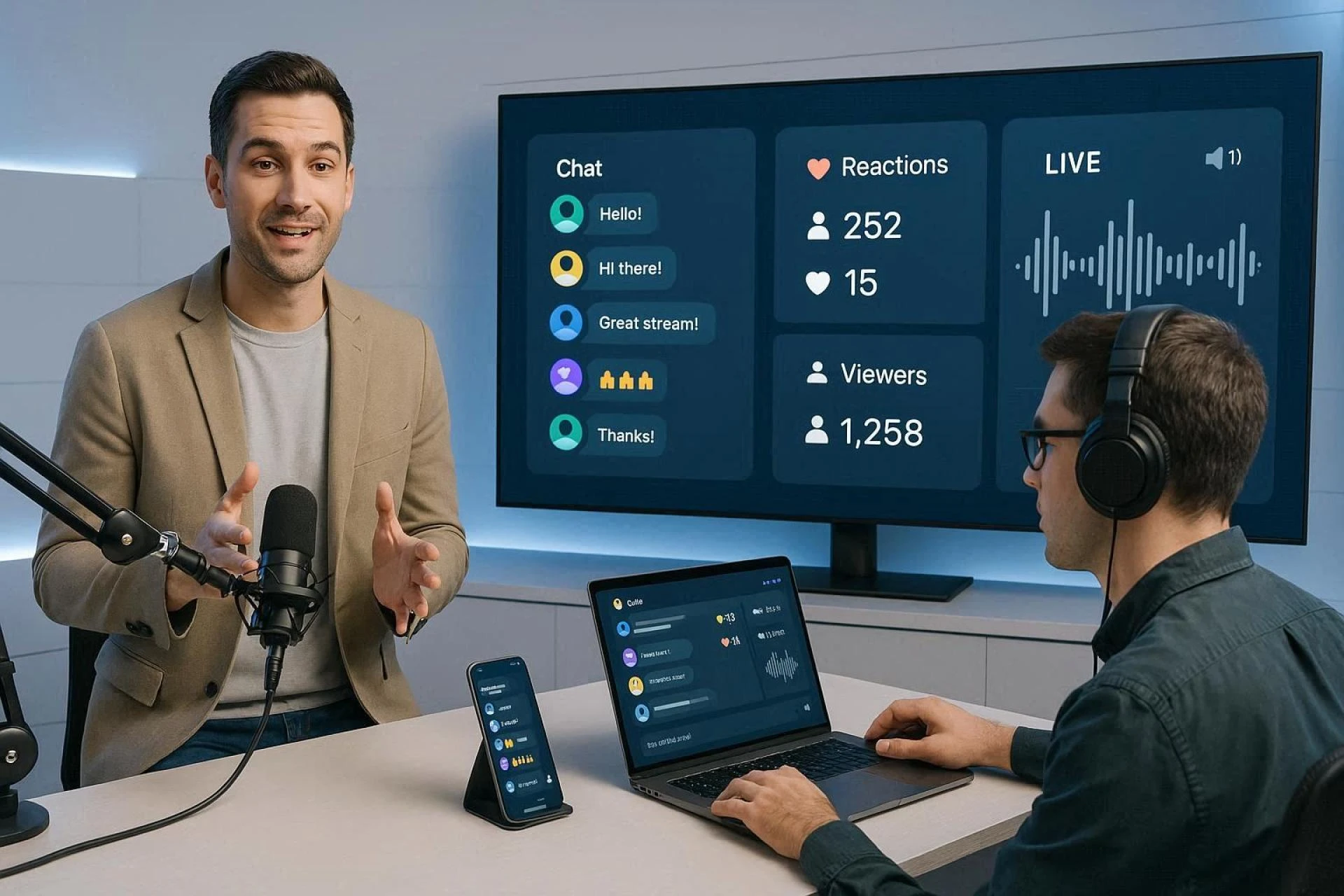
Live video streaming gives businesses the ability to broadcast product launches, training sessions, investor updates, and customer-facing webinars with zero geographical limits. One stream. Thousands of viewers. Instant feedback.
The real magic? Audiences retain significantly more information from live broadcasts compared to pre-recorded clips. There's a psychological weight to knowing something is happening right now. It demands attention in a way that a YouTube upload simply cannot.
The Boardroom Went Digital — And It's Not Coming Back
Remote and hybrid work didn't fade after the pandemic. It matured. Teams are now spread across cities, countries, and time zones as standard practice. That reality demands reliable, high-quality communication tools built for professional use.
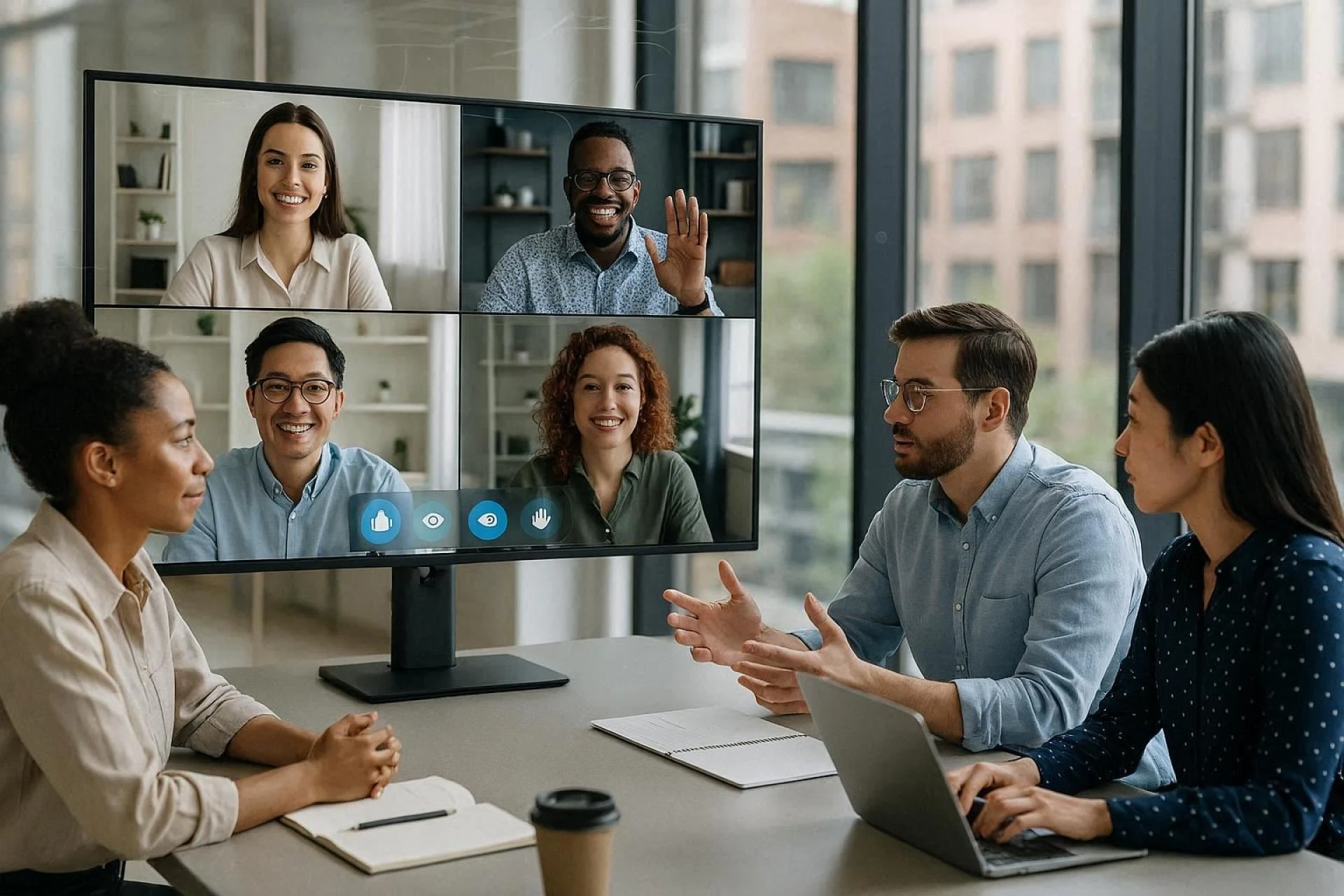
This is where corporate meeting software plays a critical role. Modern solutions go far beyond basic video calls. Think integrated screen sharing, real-time document collaboration, breakout rooms, recording with searchable transcripts, and enterprise-grade security — all in one platform.
The organizations thriving in 2026 aren't the ones with the biggest offices. They're the ones with the smartest communication infrastructure.
What Separates Good Streaming From Great Streaming?
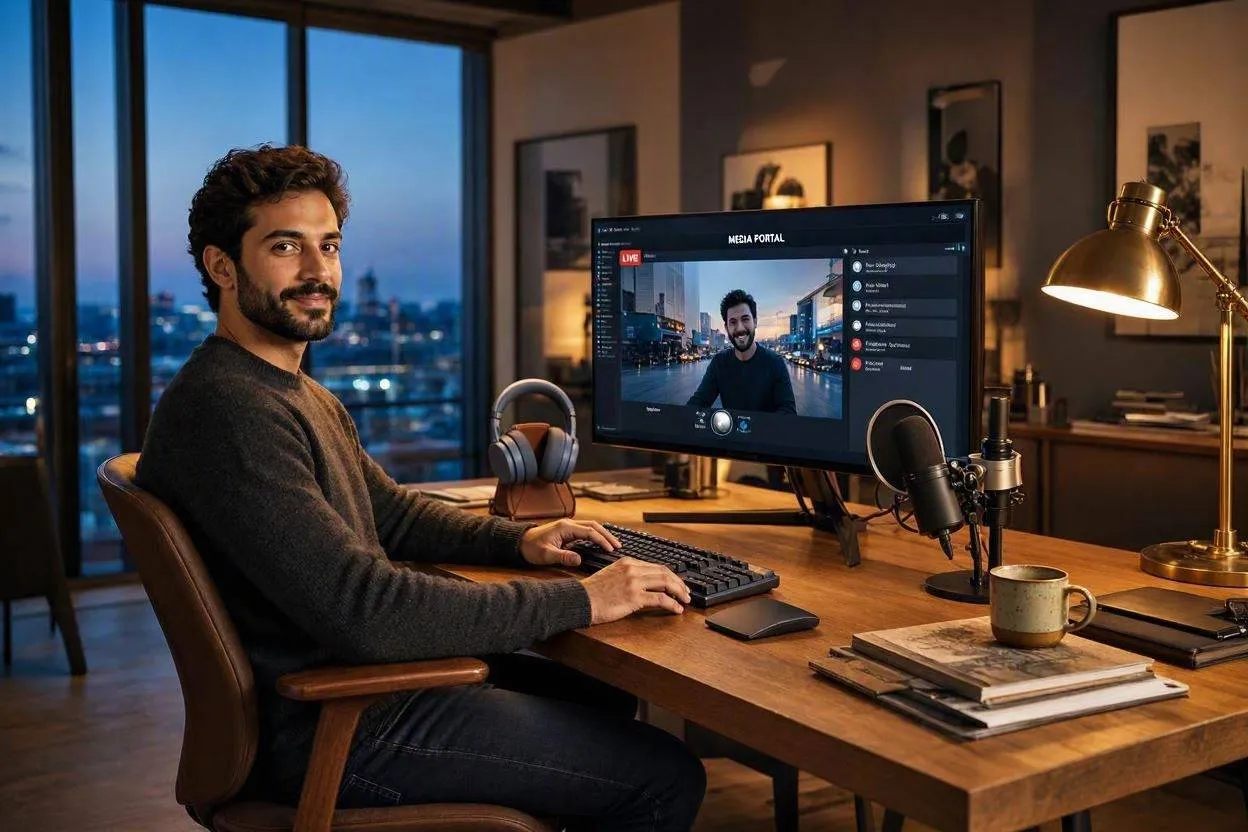
Whether you're broadcasting a company town hall or a public-facing product demo, the quality of your stream reflects directly on your brand. Here's what to prioritize:
- Ultra-low latency — Delays kill interaction. Real-time means real-time.
- Adaptive bitrate delivery — Smooth playback regardless of the viewer's connection speed.
- Branding control — White-label players that keep the focus on your identity, not a third-party logo.
- Built-in monetization — Pay-per-view, subscriptions, or gated access for premium content.
- Robust analytics — Understand who watched, for how long, and where they dropped off.
Scalability matters too. A platform that handles a 20-person meeting should perform just as well for a 20,000-viewer broadcast.
Where This All Heads Next
The line between streaming and meeting technology is blurring fast. Businesses want unified platforms that handle everything — internal communication, external broadcasting, audience engagement, and content monetization — without juggling five different tools.
The companies investing in this unified approach now won't just keep up in 2026. They'll lead.
Your audience is watching. Your team is waiting. The only question left is whether your streaming setup is ready.






























Sign in to leave a comment.