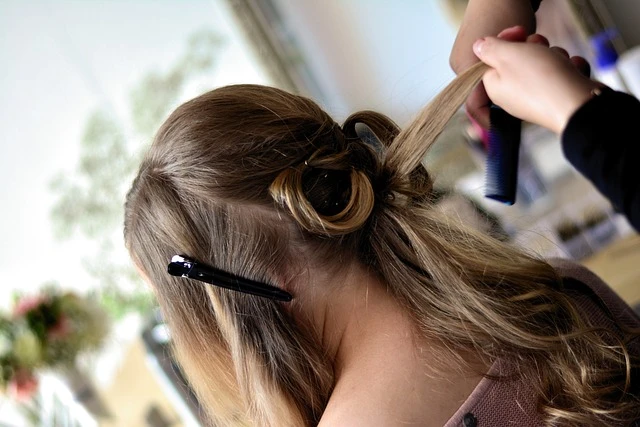
Hair care is often discussed in terms of technique, texture, or trends, but one factor quietly shapes the entire experience more than most people notice: location. Where hair care takes place influences not just style choices, but mindset, expectations, and even the relationship people form with their hair over time. In busy, culturally layered cities, this influence becomes even more pronounced. The environment surrounding a hair appointment can subtly affect how people think about their appearance, their routines, and their sense of self.
In areas where pace, diversity, and creativity intersect, hair care evolves into something more than maintenance. It becomes a reflection of daily life. The decisions people make about their hair—how often they refresh it, how much effort they invest, and what they prioritise—are shaped by the rhythm of the city around them. This is why understanding the role of location helps explain why hair care feels so different from one place to another, even when techniques are similar.
Urban Life and the Psychology of Hair Choices
Living in a dense, fast-moving environment encourages practicality. People want hair that works with their schedule, adapts to long days, and survives changing conditions. But practicality doesn’t mean compromising on appearance. Instead, it pushes hair care toward balance. Styles are chosen not just for how they look in ideal conditions, but for how they behave throughout a full day of commuting, meetings, weather changes, and social interactions.
Urban environments also expose people to constant visual inspiration. Different styles, textures, and expressions are visible everywhere, subtly expanding ideas of what feels acceptable or appealing. This exposure encourages individuality rather than uniformity. Hair choices become less about fitting into a narrow standard and more about reflecting personal rhythm within a shared space.
Why Time Becomes a Central Factor
In busy areas, time is one of the most valuable resources. Hair routines are often shaped around efficiency, but that efficiency is increasingly intentional rather than rushed. People seek solutions that save time in the long run, even if they require thoughtful planning upfront.
This has changed how hair care decisions are made. Instead of frequent reactive changes, many individuals prefer styles that grow out well, require minimal correction, and adapt naturally to daily variation. This approach reduces stress and creates a sense of reliability. Hair becomes something you trust rather than something you constantly manage.
The Subtle Influence of Environment on Hair Health
Urban living exposes hair to unique environmental conditions. Pollution, temperature fluctuations, indoor climate control, and constant movement all impact how hair behaves. Over time, these factors can influence moisture levels, texture, and resilience.
Because of this, people become more aware of preventative care. Gentle handling, protective routines, and supportive products are valued not as luxuries but as necessities. Hair care shifts from aesthetic focus to structural support. When hair feels strong and balanced, it becomes easier to style and more forgiving under pressure.
This environmental awareness often leads people to take a longer view of hair health, focusing on consistency rather than dramatic change.
Why Consultation Feels Different in Central Areas
In locations with high diversity and constant flow, consultations naturally become more nuanced. People arrive with varied backgrounds, expectations, and hair histories. This complexity encourages deeper conversations about goals, habits, and boundaries.
Rather than assuming a universal approach, professionals in such environments often adapt their methods to each individual. They listen closely, ask detailed questions, and consider lifestyle as much as appearance. This creates a sense of collaboration rather than instruction, allowing people to feel more involved in the process.
For many, this is the moment when hair care stops feeling transactional and starts feeling personal.
Hair as a Companion to Daily Identity
In central urban areas, people often move between different roles in a single day. Professional responsibilities, social commitments, and personal time blend together. Hair becomes a companion to these transitions rather than a fixed statement.
Styles that adapt easily—those that look appropriate in multiple settings without constant adjustment—are especially valued. This adaptability supports confidence. When hair doesn’t demand attention, people are freer to focus on their experiences rather than their appearance.
This is why many individuals reflect positively on experiences connected to hair salons in Central London, not because of a single result, but because of how well the hair continues to support daily life afterward.
Why Products Are Viewed as Tools, Not Solutions
In environments shaped by pace and practicality, hair care products are valued for reliability rather than promises. People prefer products that integrate seamlessly into routines and deliver consistent results over time.
This perspective encourages mindful usage. Instead of layering multiple products, individuals often simplify their routines, choosing fewer items that serve clear purposes. Hydration, protection, and balance become priorities rather than experimentation.
When products are used with understanding, they reinforce good habits instead of compensating for damage. This approach builds trust—not just in products, but in the entire care process.
The Shift Toward Long-Term Hair Thinking
Urban living encourages forward planning. People anticipate busy weeks, seasonal changes, and evolving schedules. This mindset naturally extends to hair care. Rather than making impulsive changes, many individuals now think in terms of progression.
They consider how a cut will grow, how a colour will fade, and how their routine might change over time. This long-term thinking reduces dissatisfaction and supports healthier hair. It also encourages patience, which is often the missing element in hair care success.
Why Hair Care Becomes a Quiet Form of Stability
In fast-moving environments, small constants matter. Hair care routines, when done thoughtfully, provide a sense of stability. They become familiar moments in otherwise unpredictable schedules.
This consistency supports well-being. Knowing that your hair feels manageable and aligned with your life reduces mental load. It’s one less decision to worry about, one less adjustment to make.
Over time, this reliability builds confidence—not because hair looks perfect, but because it feels dependable.
Final Thoughts: Location Shapes Experience, Not Just Style
Hair care does not exist in isolation. It is shaped by environment, pace, and daily reality. In central, dynamic settings, hair becomes something that must work with life rather than interrupt it. This influence quietly reshapes expectations, priorities, and relationships with appearance.
When hair care aligns with environment and lifestyle, it feels supportive rather than demanding. And in that alignment, people often discover that the best hair experiences are not defined by trends or transformations, but by how seamlessly hair fits into the rhythm of everyday life.


Sign in to leave a comment.