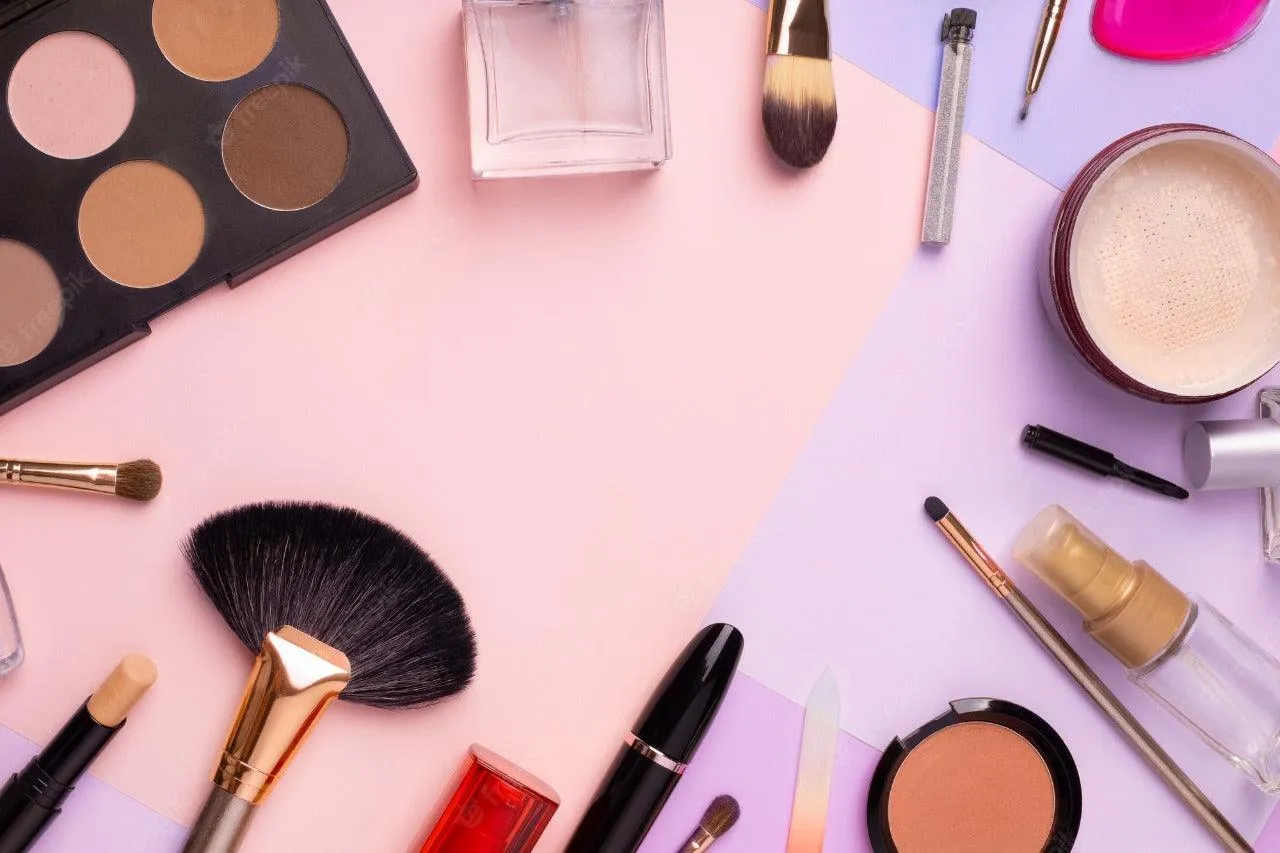

Introduction: The Importance of Manufacturing Strategy in Beauty Brand Success
Launching a beauty product line requires much more than having an innovative idea or a passion for cosmetics. While creativity and branding are important, the success of a beauty business often depends on the decisions made behind the scenes—especially the manufacturing strategy.
The beauty industry continues to grow rapidly, with thousands of new brands entering the market every year. Consumers are looking for products that offer quality ingredients, unique benefits, and memorable brand experiences. As competition increases, beauty entrepreneurs must carefully consider how their products are developed, produced, and brought to customers.
Choosing the right manufacturing approach affects everything from product quality and development costs to launch timelines and brand positioning. Understanding the differences between Private Label Cosmetics vs. Custom Manufacturing allows entrepreneurs to select a strategy that aligns with their goals, resources, and long-term vision.
Whether a brand chooses private label beauty products or invests in custom cosmetic manufacturing, the right production strategy can create a strong foundation for sustainable growth.
Why Manufacturing Strategy Matters for Beauty Product Development?
Manufacturing is not simply a production step it is a strategic business decision that influences the entire journey of a beauty product, from concept to consumer.
A well-planned cosmetic manufacturing strategy helps brands:
- Develop market-ready products
- Maintain consistent quality standards
- Control production costs
- Create a strong brand identity
- Scale operations efficiently
The manufacturing process directly impacts product innovation, ingredient selection, packaging options, testing procedures, and customer satisfaction.
For example, a startup looking to quickly enter the beauty market may benefit from ready-made formulations, while an established brand seeking exclusive products may require a fully customized approach.
Understanding manufacturing options before beginning cosmetic product development helps entrepreneurs avoid costly mistakes and create products that meet customer expectations.
Understanding Different Cosmetic Manufacturing Approaches
When developing a beauty product line, entrepreneurs typically choose between two major approaches: private label cosmetics and custom manufacturing.
Each option offers unique advantages depending on the brand’s goals, budget, timeline, and desired level of product customization.
Private Label Cosmetics: A Faster Path to Market
Private label cosmetics involve using existing formulas created by a cosmetic manufacturer and selling them under a brand’s own name. Businesses can customize elements such as packaging, labels, branding, and product presentation while benefiting from already-developed formulations.
This approach is especially popular among startups and emerging beauty brands because it reduces many of the challenges associated with product development.
Benefits of Private Label Manufacturing
Faster Product Launch
One of the biggest advantages of private label cosmetics is speed. Since manufacturers already have tested formulations available, brands can introduce products to the market much faster.
Benefits include:
- Ready-made formulations
- Reduced development time
- Faster production processes
- Easier entry into competitive markets
For entrepreneurs who want to launch a beauty product line quickly, private label solutions provide an efficient starting point.
Lower Initial Investment
Developing a cosmetic product from scratch can require significant investment in research, testing, and formulation development. Private label manufacturing reduces these barriers by offering pre-developed solutions.
Advantages include:
- Lower research and development expenses
- More predictable production costs
- Reduced financial risk for startups
This makes private label beauty products an attractive option for businesses testing market demand or building their first product collection.
Easier Brand Building
Private label manufacturing allows entrepreneurs to focus more on marketing, customer relationships, and brand storytelling.
Instead of spending most resources on product development, businesses can invest in:
- Building brand awareness
- Creating customer experiences
- Developing marketing strategies
- Growing their online presence
Custom Cosmetic Manufacturing: Creating Unique Beauty Products
Custom manufacturing involves developing original formulas based on a brand’s specific requirements. Unlike private label solutions, custom manufacturing starts with an idea and transforms it into a unique product through research, formulation, and testing.
This approach is ideal for brands that want complete control over their cosmetic product formulation.
Benefits of Custom Manufacturing
Complete Product Control
Custom cosmetic manufacturing gives brands the ability to create products that match their exact vision.
Businesses can customize:
- Ingredients
- Textures
- Colors
- Fragrances
- Product performance
- Skin benefits
This level of flexibility allows brands to develop custom beauty products that offer unique experiences to consumers.
Stronger Brand Differentiation
In a crowded beauty market, uniqueness is essential. Custom formulations help businesses create products that competitors cannot easily duplicate.
Exclusive products can help brands:
- Establish a unique market position
- Build customer loyalty
- Support premium pricing strategies
- Create stronger brand recognition
Long-Term Innovation Opportunities
Custom manufacturing allows beauty brands to experiment with new ideas and respond to changing consumer demands.
Brands can develop:
- Innovative formulas
- Specialized beauty solutions
- Trend-focused products
- Personalized cosmetic experiences
Private Label Cosmetics vs. Custom Manufacturing: Choosing the Right Strategy
Understanding the difference between these two approaches is essential for successful beauty brand development.
1. Product Development Process
Private Label Cosmetics:
- Uses existing formulations
- Requires less development time
- Offers limited customization
- Allows faster production
Custom Manufacturing:
- Creates formulas from scratch
- Requires research and testing
- Provides complete product control
- Allows extensive customization
The right choice depends on whether speed or uniqueness is the primary business goal.
2. Cost and Investment
Cost is one of the most important considerations when choosing a manufacturing model.
Private label advantages include:
- Lower startup costs
- Predictable expenses
- Faster opportunities for market entry
Custom manufacturing requires:
- Higher initial investment
- Research and development costs
- Additional testing expenses
However, the long-term value of a unique product can make custom manufacturing a worthwhile investment for brands focused on differentiation.
3. Time to Market
Private label products can often reach customers faster because the formulas already exist.
Custom formulations require more time because brands must complete:
- Product research
- Formula development
- Testing
- Quality approval
Entrepreneurs should consider their launch timeline before selecting a manufacturing strategy.
4. Product Uniqueness and Brand Identity
Private labels focus on efficient production and branding opportunities, while custom manufacturing emphasizes exclusivity.
Private label supports:
- Faster market entry
- Branding-focused strategies
- Product testing
Custom manufacturing supports:
- Exclusive product creation
- Stronger differentiation
- Long-term innovation
The best option depends on the brand’s vision and growth objectives.
5. Scalability and Future Growth
A successful manufacturing strategy should support both current needs and future expansion.
Brands should consider:
- Production capacity
- Supply chain reliability
- Long-term partnerships
- Ability to meet increasing demand
Choosing a flexible manufacturing partner helps businesses grow without compromising product quality.
How to Choose the Right Manufacturing Strategy for Your Beauty Brand?
Entrepreneurs should evaluate their goals before deciding between private label and custom manufacturing.
Choose Private Label Manufacturing If You:
- Want to launch products quickly
- Have a limited startup budget
- Want to test customer demand
- Prefer focusing on branding and marketing
Choose Custom Manufacturing If You:
- Need exclusive formulations
- Want complete creative control
- Are creating a premium beauty line
- Have a long-term innovation strategy
Both approaches can support successful beauty businesses when chosen strategically.
Key Factors to Consider Before Selecting a Cosmetic Manufacturing Partner
Choosing the right cosmetic manufacturing partner is just as important as selecting the manufacturing model.
Product Quality Standards
A reliable manufacturer should prioritize:
- Ingredient quality
- Safety testing
- Manufacturing practices
- Quality assurance processes
Quality products help build customer trust and long-term brand loyalty.
Industry Experience
Experienced cosmetic manufacturers can help brands:
- Avoid production challenges
- Understand market requirements
- Improve product development processes
Customization Capabilities
Look for manufacturers that offer:
- Formula flexibility
- Packaging support
- Product development assistance
- Branding solutions
Production Capacity
A strong partner should be able to:
- Meet current production needs
- Support future growth
- Maintain consistent quality
Common Manufacturing Mistakes Beauty Startups Should Avoid
Many beauty startups face challenges because of poor planning. Avoid these common mistakes:
Choosing Based Only on Price
The lowest-cost option may not always provide the best quality or reliability. Consider experience, standards, and long-term value.
Ignoring Product Testing
Testing is essential for product safety, performance, and customer confidence.
Not Understanding Production Requirements
Entrepreneurs should understand:
- Minimum order quantities
- Production timelines
- Budget requirements
Lack of Brand Strategy
Product development should always align with the brand’s identity, audience, and long-term goals.
Future Trends in Cosmetic Manufacturing
The future of cosmetic manufacturing is focused on innovation, personalization, and flexibility.
Growing trends include:
- Increased demand for personalized beauty products
- Advanced cosmetic formulations
- Growth of independent beauty brands
- Flexible manufacturing partnerships
- Technology-driven product development
As consumers seek more customized experiences, manufacturers will continue helping brands create innovative products that meet evolving expectations.
Final Thoughts:
A successful beauty product line begins with choosing the right manufacturing approach. Whether a brand selects private label cosmetics or custom manufacturing, the decision should reflect its goals, budget, timeline, and vision.
Understanding Private Label Cosmetics vs. Custom Manufacturing helps entrepreneurs make informed decisions and create products that stand out in a competitive market.
The right manufacturing strategy provides the foundation for quality products, stronger branding, and long-term business growth. With careful planning and the support of an experienced cosmetic manufacturing partner, beauty entrepreneurs can transform creative ideas into successful products that connect with customers.























Sign in to leave a comment.