
What if a single glass of wine could tell you where it came from—down to the soil, the sun, and the silence between the vines?
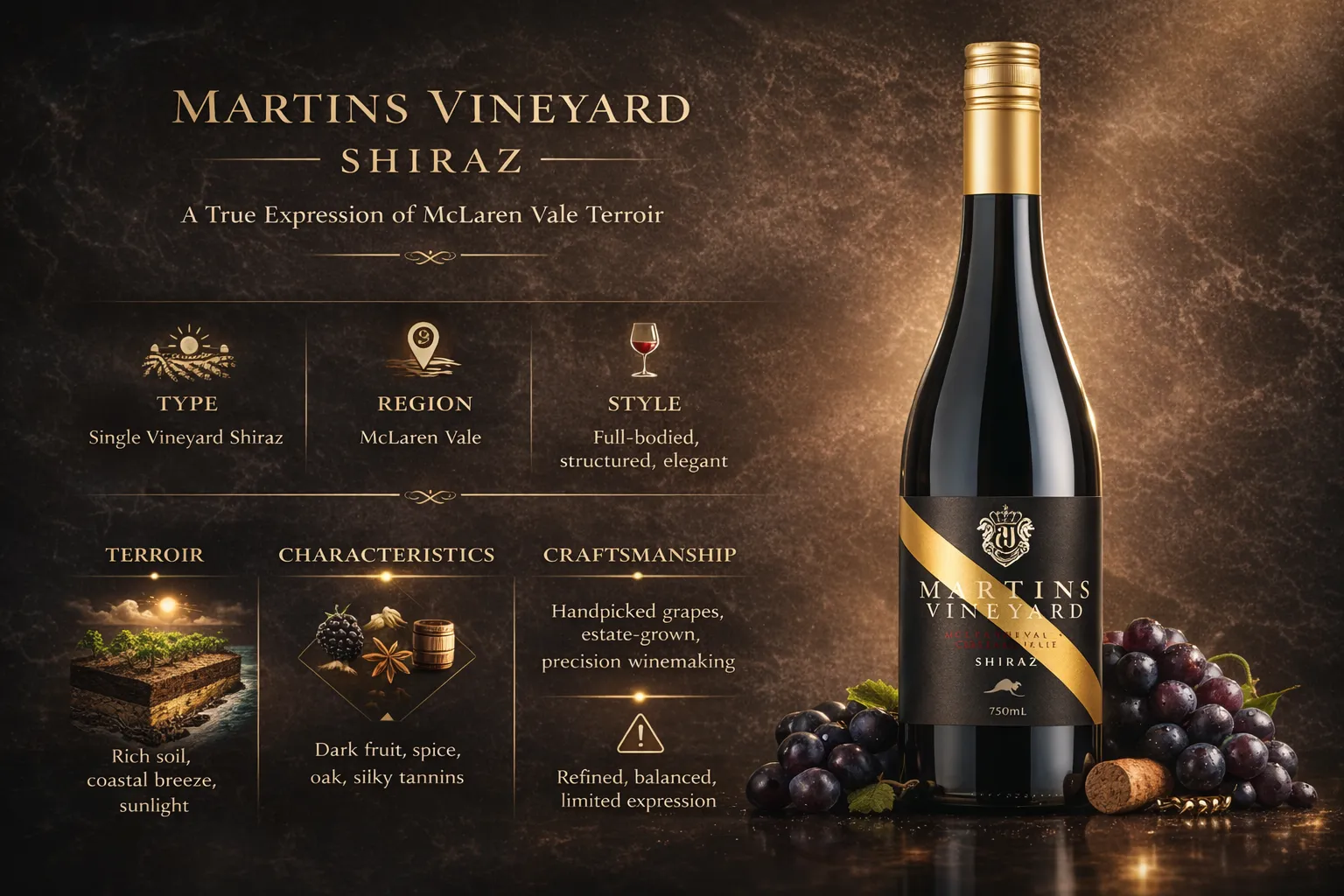
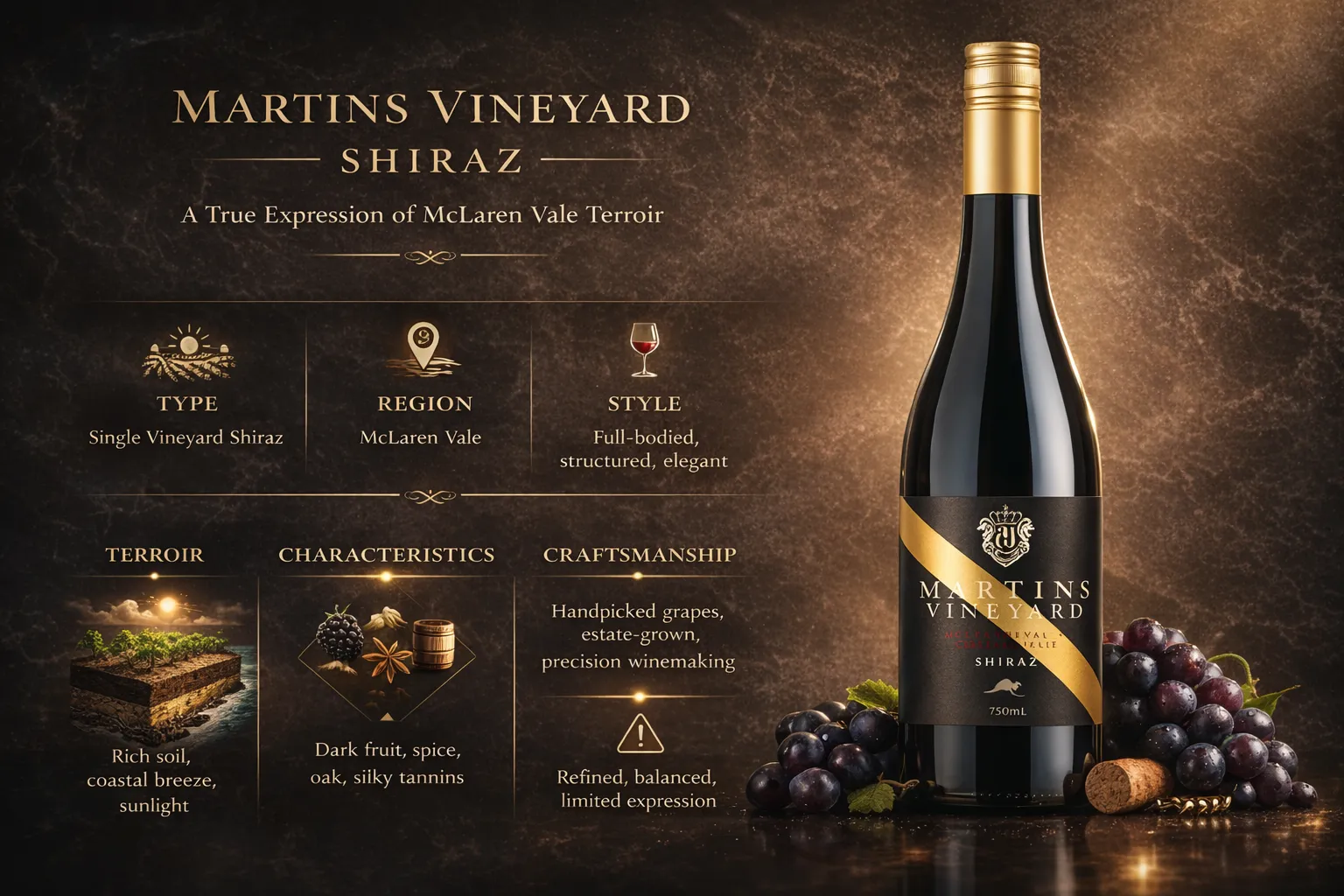
That’s the quiet promise behind every bottle from Curtis Family Vineyards—especially their Martins Vineyard Shiraz from McLaren Vale.
But this isn’t just about wine.
It’s about place, patience, and the kind of craftsmanship we rarely pause to appreciate anymore.
The Story Hidden in a Vineyard
There’s something deeply human about vineyards.
They don’t rush. They don’t chase trends. They respond—to climate, to care, to time.
Martins Vineyard, in particular, feels like a quiet conversation between land and legacy. Tucked within McLaren Vale, a region known for producing bold, expressive reds, this vineyard carries a distinct personality—one shaped by its soil, its microclimate, and the hands that tend it.
And that’s where the story begins.
Not in the bottle, but long before it.
In early mornings when the light hits the vines just right.
In seasons that don’t always behave.
In decisions that winemakers must make without certainty.
Because great wine isn’t manufactured.
It’s interpreted.
Why This Shiraz Feels Different
Let’s be honest—there’s no shortage of Shiraz in the world.
But not all Shiraz tells a story.
The Martins Vineyard Shiraz stands apart because it doesn’t try to be everything. It leans into what it is—an honest expression of McLaren Vale’s character.
Think rich, dark fruit—but not overpowering.
Think structure—but not rigidity.
Think depth—with a kind of quiet elegance that unfolds slowly.
This is the kind of wine that doesn’t shout for attention.
It earns it.
And maybe that’s what makes it memorable.
What the Land Teaches Us (If We’re Paying Attention)
We often talk about “terroir” in wine, but rarely do we reflect on what it really means.
Terroir is not just soil composition or climate data.
It’s influence.
It’s how environment shapes identity—whether in grapes, or in people.
McLaren Vale, for instance, offers a unique combination of coastal breezes, Mediterranean climate, and ancient soils. These factors don’t just grow grapes—they guide them.
The result?
A Shiraz that carries both intensity and restraint.
And if you think about it, that balance mirrors something we all struggle with—knowing when to push forward and when to hold back.
The Craft Behind the Glass
What often gets overlooked in wine conversations is the quiet discipline behind the scenes.
Every decision—from harvest timing to fermentation techniques—shapes the final expression.
Too early, and the fruit lacks depth.
Too late, and you lose freshness.
It’s a constant negotiation with nature.
Winemaking, at its core, is about listening.
Listening to the vineyard.
Listening to the season.
And sometimes, listening to instinct over logic.
That’s what gives wines like Martins Vineyard Shiraz their authenticity.
They’re not over-engineered.
They’re guided.
A Lesson in Slowing Down
We live in a world obsessed with speed.
Fast results. Fast content. Fast decisions.
But wine—especially something as thoughtfully made as this—asks us to slow down.
To sit.
To taste.
To notice.
And in doing so, it teaches something subtle but powerful:
Not everything meaningful happens quickly.
The depth you experience in a glass of Shiraz didn’t happen overnight.
It took seasons.
It took care.
It took patience.
And maybe that’s why it resonates.
Because somewhere, we recognize that same truth in our own lives.
The Emotional Side of Wine (That No One Talks About)
Wine is often discussed in terms of flavor notes and technicalities.
Blackberry. Spice. Oak. Tannins.
But what about feeling?
The Martins Vineyard Shiraz carries a certain warmth—not just physically, but emotionally. It’s the kind of wine you reach for during conversations that matter.
Or moments when you want to pause and reflect.
Or even when you need a reminder that complexity can be beautiful.
Because that’s what this wine offers—complexity without chaos.
Depth without confusion.
And in a strange way, that’s comforting.
What Makes a Wine Truly Memorable?
It’s not just taste.
It’s context.
Where you were.
Who you were with.
What you were thinking about.
The best wines don’t just sit on your palate.
They stay in your memory.
And wines from Curtis Family Vineyards have a way of doing that—not because they demand attention, but because they create space for experience.
They become part of a moment.
And that moment becomes part of you.
A Different Way to Appreciate Wine
Maybe we’ve been thinking about wine the wrong way.
Instead of asking, “Is this a good wine?”
What if we asked, “What is this wine trying to say?”
Because every vineyard has a voice.
Every vintage has a story.
And every bottle is an invitation to listen.
The Martins Vineyard Shiraz doesn’t try to impress with complexity alone.
It invites curiosity.
It rewards patience.
And most importantly, it reminds us that the best things—whether in wine or in life—are rarely rushed.
A Final Thought to Take With You
The next time you pour a glass of Shiraz, pause for a second.
Think about where it came from.
Think about the people who shaped it.
Think about the time it took to become what it is.
Because when you do, something shifts.
You’re no longer just drinking wine.
You’re experiencing a story.
And maybe the real question isn’t whether the wine is exceptional.
Maybe it’s this:
Are we present enough to notice when something truly is?

























Sign in to leave a comment.