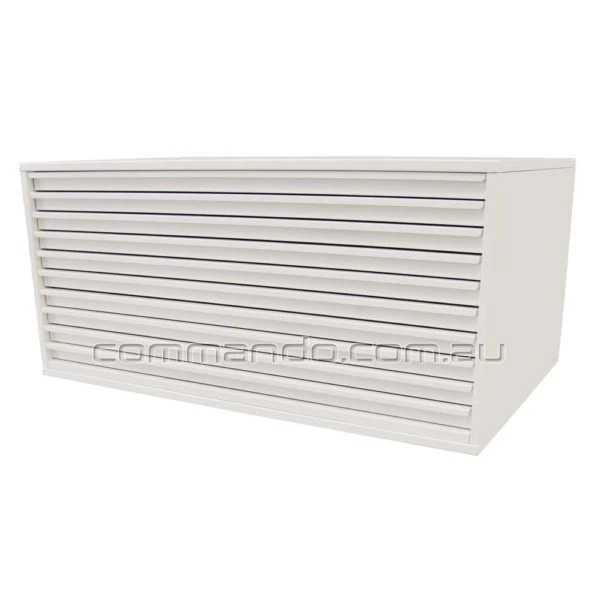

Modern office environments require solutions that are both functional and durable. As workplaces evolve and storage needs increase, organisations are focusing more on the nature of the storage systems they use. Most offices previously used wooden cabinets or plastic units for organising their materials, but those are no longer the most consistent solution in a professional environment. There is definitely a winner in terms of durability, efficiency, and cost overall, and it is neither of these materials.
Why durability is essential to storage
In an active office setting, furniture is used daily. Employees open and shut cabinets all day long, load heavy files, and require them to operate year after year without a glitch. Wooden drawers will eventually warp or rot due to the strain of pressure and temperature fluctuations. Plastic drawers will crack or break under stress or due to age. Conversely, metal storage drawers are made to endure harsh usage, wear, and remain in good condition regardless of usage frequency. This type of endurance is highly pertinent in offices where reliability cannot be compromised.
Resistance to work daily stress
All offices are subject to a variety of day-to-day stressors, ranging from routine tasks to accidents such as drops or spills. Wood cabinets are likely to be subject to warping and scratching, while plastic can stain and rapidly lose finish. Whilst metal drawers can typically withstand heavy use without exhibiting signs of harm or weakening. Their construction is designed to endure stress while holding important documents within. Resisting these small, but regular, critical stresses renders metal a far more functional option in the long run.
Efficiency in space management
The interior design of an office has a massive impact on productivity, and storage units are a significant aspect of that design. Wooden storage tends to require larger frames to remain stable, whereas plastic designs can settle for capacity due to less stable structures. Conversely, metal storage drawers provide slim yet resilient frames that optimise the use of available space. Their capacity to store heavy loads of files in a streamlined design keeps offices tidy and free from congestion. This effectiveness of managing space directly influences the daily workflow in an office.
Security and protection of documents
Security is another justification for companies to reassess their storage options. Wooden cabinets are easy to force open or break into, whereas plastic has no strength to prevent tampering. Metal drawers offer a secure frame that prevents unauthorised access more easily. For offices holding confidential documents, contracts, or sensitive designs, this degree of security becomes imperative. The fact that they are lockable and durable units guarantees that sensitive documents are safe, establishing trust in the workplace.
Flexibility with shifting office needs
Offices are not fixed; their requirements evolve with time. Non-flexible furniture quickly becomes obsolete. Metal drawers, however, are made to be adaptable and remain firm even after decades of use. Their adaptive designs render them compatible for application in both traditional office settings and modern, adaptive offices. Their adaptability guarantees organisations benefit from them for much longer.
Maintenance and cleaning advantages
The level of work required to maintain storage compartments in good condition can significantly impact the efficiency of an office. Wood furniture requires gentle cleaning and the avoidance of liquids to prevent damage. Plastic compartments are more readily cleanable but subject to stains or scratches that cannot be easily removed. Metal drawers, on the other hand, are easy to maintain. A quick wiping keeps them professional and clean without extra work. Their maintenance friendliness is one reason for their popularity in offices that want great solutions without ongoing hassle.
Heavy work environment performance
Workplaces in fields like architecture, design, and engineering need plan drawers for storage that can accommodate large documents, drawings, or heavy materials. Wooden cabinets can warp when pushed, and plastic units lack the strength, whereas metal drawers can bear heavy loads without losing functionality. They are resilient even when carrying hefty files, maintaining their integrity in high-pressure situations. Their resilience within these specialised environments renders them the top choice among all other materials.
Cost-effectiveness over time
Wood or plastic storage may appear less expensive at first glance compared to metal units. But the repairs, replacements and shorter lifespan are drawbacks. Metal drawers could cost more initially, but they soon turn out to be economical because they are not just long-lasting but also durable. Offices end up saving money through reduced replacements and are assured of consistent performance year after year.
For businesses now, storage systems must provide more than just document storage. Wood and plastic units might have worked for earlier offices, but they may not service the needs of today's workplaces. Metal-based storage solutions offer unparalleled durability, security, efficiency, and value over the years. By opting for them, companies develop workspaces that not only remain organised but also future-ready.






























Sign in to leave a comment.