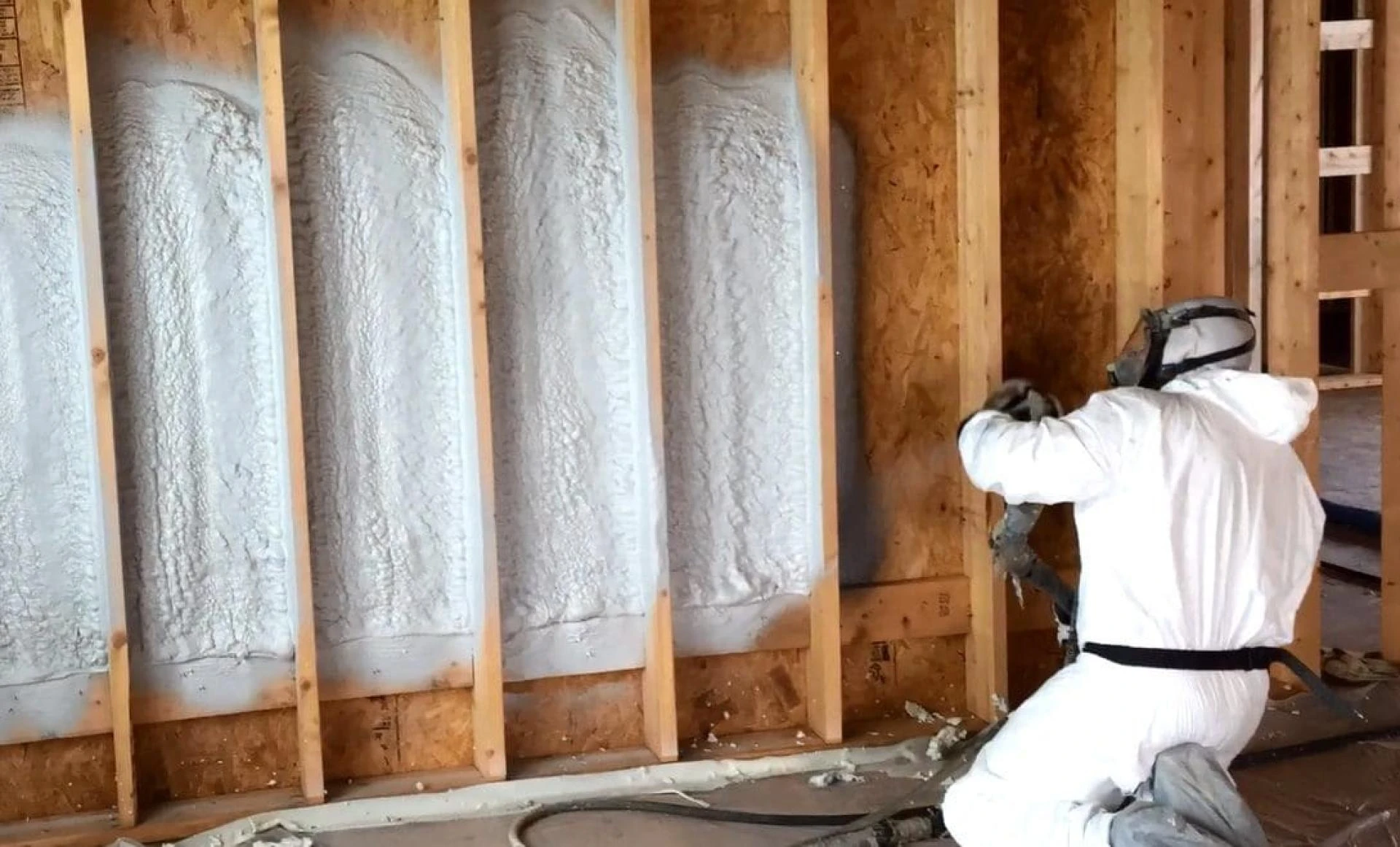

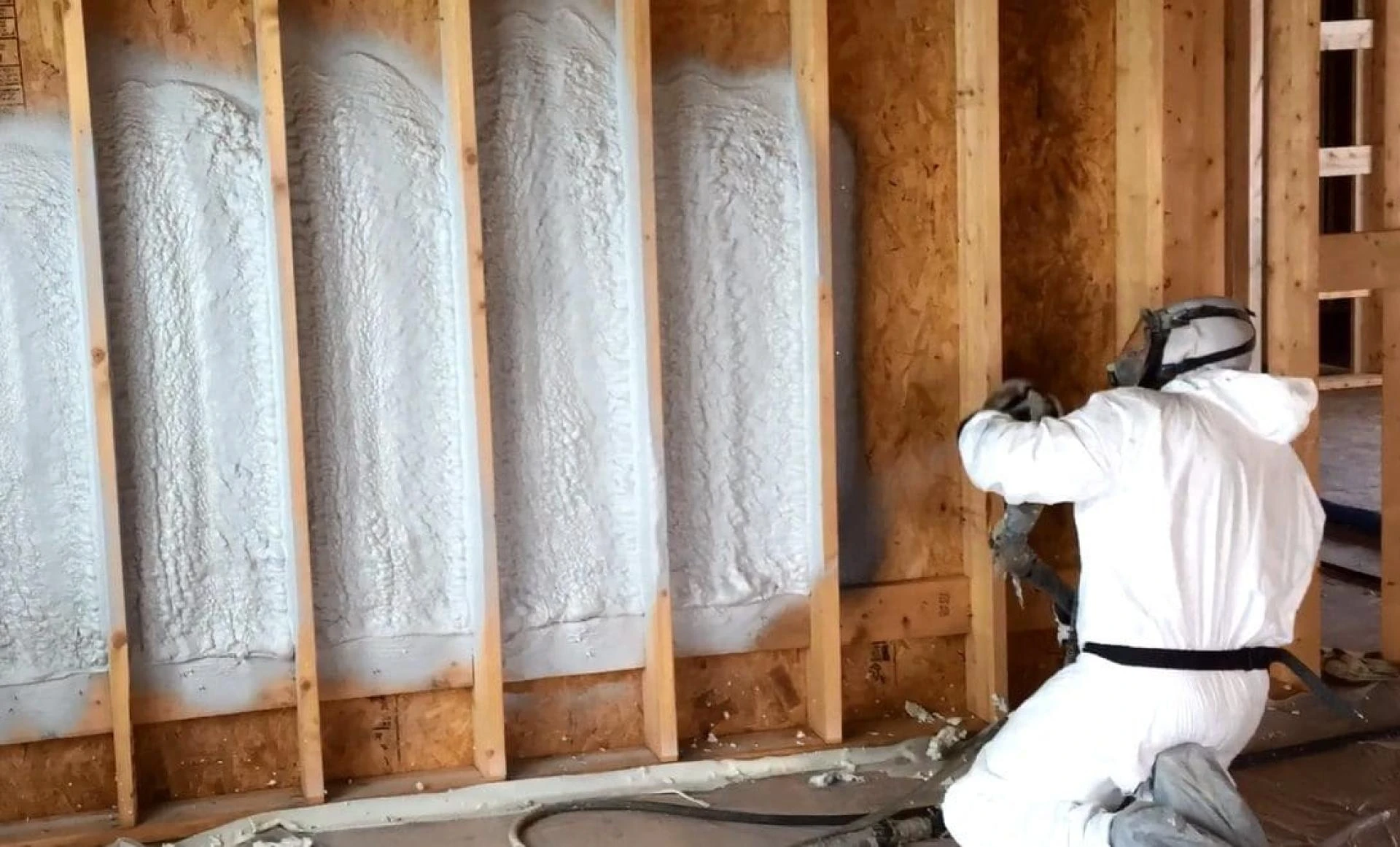
Moisture problems in homes and commercial buildings often lead to structural damage, mold growth, and energy loss. Spray Foam Insulation directly addresses these risks by creating a continuous air and moisture barrier. By sealing cracks, gaps, and hard-to-reach spaces, it stops water vapor from infiltrating walls, attics, and basements, helping maintain a dry, healthy environment.
Proper moisture control starts at the building envelope, and Spray Foam Insulation is the most effective solution. Unlike traditional insulation, it expands to fill cavities completely, reducing condensation and preventing water-related damage before it begins. Investing in quality Spray Foam Insulation services early can save substantial repair and maintenance costs down the line.
This article provides a comprehensive look at how Spray Foam Insulation experts enhance moisture control, what to consider before selecting a solution, and practical tips for long-term building protection.

How Spray Foam Insulation Prevents Moisture Damage
Understanding the role of Spray Foam Insulation in moisture management is crucial. Properly applied, it creates an airtight and water-resistant seal.
Complete Air and Moisture Barrier
A continuous barrier prevents humid air from entering building cavities. This reduces the risk of condensation, which can compromise wood framing, drywall, and metal components.
- Expands to fill gaps and hard-to-reach areas
- Reduces leaks around windows, doors, and rooflines
- Minimizes indoor humidity swings
Energy Efficiency Benefits
Moisture intrusion increases energy use because HVAC systems work harder to maintain comfort. Spray Foam Insulation experts ensure optimal performance, which reduces energy bills and improves indoor air quality.
Types of Spray Foam Insulation and Their Moisture Control Benefits
Different foam types offer varying levels of moisture resistance. Understanding these helps in selecting the right solution.
| Type of Foam | Density | R-Value per Inch | Moisture Barrier Effectiveness | Typical Uses |
|---|---|---|---|---|
| Open-Cell Foam | Low | 3.6 | Moderate, allows some vapor permeability | Interior walls, attics |
| Closed-Cell Foam | High | 6.5 | Excellent, acts as both vapor and air barrier | Exterior walls, basements, roofs |
Closed-cell foam is ideal for areas prone to high humidity or flooding. Open-cell foam provides some moisture resistance while offering soundproofing benefits.
Key Areas Where Moisture Problems Occur
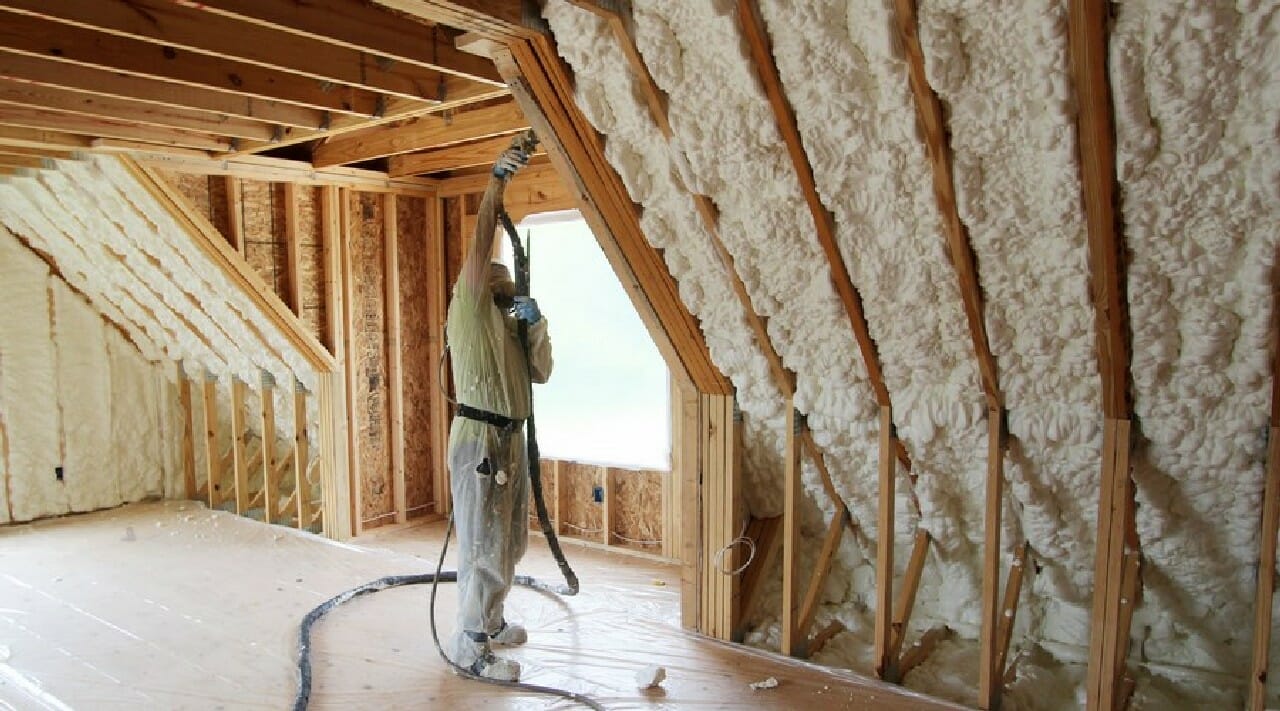
Spray foam works best when applied in areas most susceptible to water infiltration. Contractors and building experts highlight these zones:
- Roofs and attics where condensation forms
- Basements and crawl spaces prone to dampness
- Exterior walls with gaps around framing or siding
- Around plumbing and HVAC penetrations
Bonus Tip
Prioritize high-risk areas for early inspection and spray foam application. This prevents small issues from becoming costly repairs later.
Things to Consider Before Making a Decision
Before hiring Spray Foam Insulation services, several factors influence long-term performance and value.
Building Assessment
Evaluate your property for:
- Current moisture issues
- Existing insulation condition
- Structural vulnerabilities
Regional Climate
High-humidity regions benefit more from closed-cell foam. Drier climates can often use open-cell foam effectively. Local expertise ensures the solution matches the environment.
Quality of Application
Proper installation is critical. Poor application can trap moisture and worsen conditions. Choose Spray Foam Insulation experts with proven experience.
Practical Benefits Beyond Moisture Control
Spray Foam Insulation companies often highlight additional advantages beyond moisture protection.
- Reduces noise from outside or between rooms
- Increases structural rigidity in certain applications
- Prevents pest intrusion by sealing gaps
- Extends the lifespan of HVAC systems
Bonus Tip
Combine spray foam with a dehumidifier in extremely humid areas for optimal moisture management. This dual approach maximizes comfort and safety.
Questions People Ask About Spray Foam Insulation
How long does spray foam last for moisture protection
Closed-cell foam can last 20–30 years with proper installation. Open-cell foam may have a slightly shorter lifespan depending on exposure.
Can spray foam cause moisture problems if installed incorrectly
Yes, gaps, uneven coverage, or improper ventilation can trap moisture. Professional installation is critical for safe performance.
Is spray foam better than fiberglass for moisture control
Spray foam outperforms fiberglass because it creates a continuous air and vapor barrier. Fiberglass can allow moisture to pass and accumulate.
Does spray foam insulation increase energy efficiency
Yes, by reducing air leaks and humidity swings, spray foam lowers heating and cooling demands and cuts energy bills.
Can I apply spray foam in all areas of my home
Most areas can benefit, but the choice between open-cell and closed-cell foam depends on location, moisture risk, and structural needs.
Choosing the Right Spray Foam Insulation Solution
Selecting the appropriate insulation involves evaluating risk, budget, and climate. Working with Spray Foam Insulation experts ensures coverage in critical areas, prevents common mistakes, and extends the life of your building.
- Focus on areas prone to water damage first
- Match foam type to regional humidity and temperature
- Ensure installers are certified and experienced
Bonus Tip
Schedule an inspection during seasonal transitions when moisture issues become more apparent. This helps contractors identify hidden vulnerabilities.
Conclusion
Moisture control begins with a comprehensive, properly installed insulation solution. Spray Foam Insulation forms a reliable barrier against water intrusion, supports energy efficiency, and protects building structure. Evaluating your property, considering climate, and relying on expert installation are key steps for long-term results.
Take Action to Protect Your Property
For expert guidance and reliable Spray Foam Insulation services, consider reaching out to Supreme Spray Foam – Fresno. They provide tailored solutions that address moisture challenges, improve energy efficiency, and ensure long-term building protection. Contact them at [email protected] or call (559) 545-0800 to discuss options and schedule an assessment.
Reviewer: [Emma Robinson contributed her knowledge from 8 years of working in the spray foam industry. Her review helped shape this content, grounded in what contractors and homeowners actually value.]

























Sign in to leave a comment.