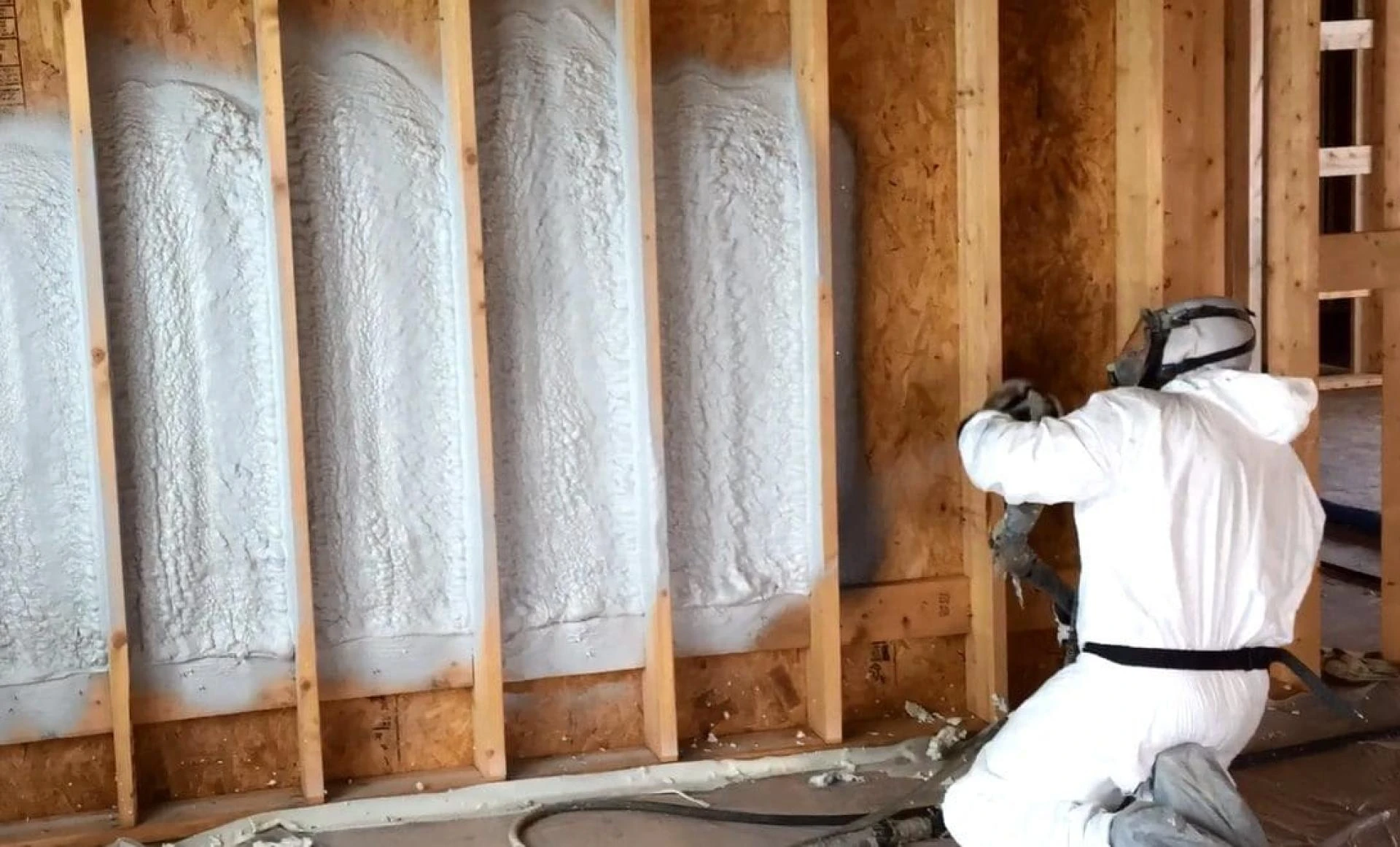

Spray foam insulation work often reveals hidden home problems that standard inspections miss. When insulation specialists assess walls, attics, and crawl spaces, they expose air leaks, moisture buildup, and structural gaps that reduce comfort and efficiency. These issues stay concealed until insulation work brings them to light.
This article explains how Spray Foam Insulation assessments and installation processes uncover building weaknesses. It shows what property owners learn during this work and why experienced insulation teams play a key role in identifying long-term risks early.

Why Insulation Work Reveals Hidden Building Issues
Insulation sits at the boundary between indoor and outdoor conditions. Any weakness in that boundary shows up during insulation evaluation and application.
Data from building performance studies shows that over 40 percent of homes have significant air leakage hidden behind walls or above ceilings. Insulation work brings direct access to these areas, making problems visible before they grow.
Access to Sealed and Inaccessible Areas
Most home problems exist in places homeowners rarely see. Attics, crawl spaces, and wall cavities hide air gaps and moisture paths.
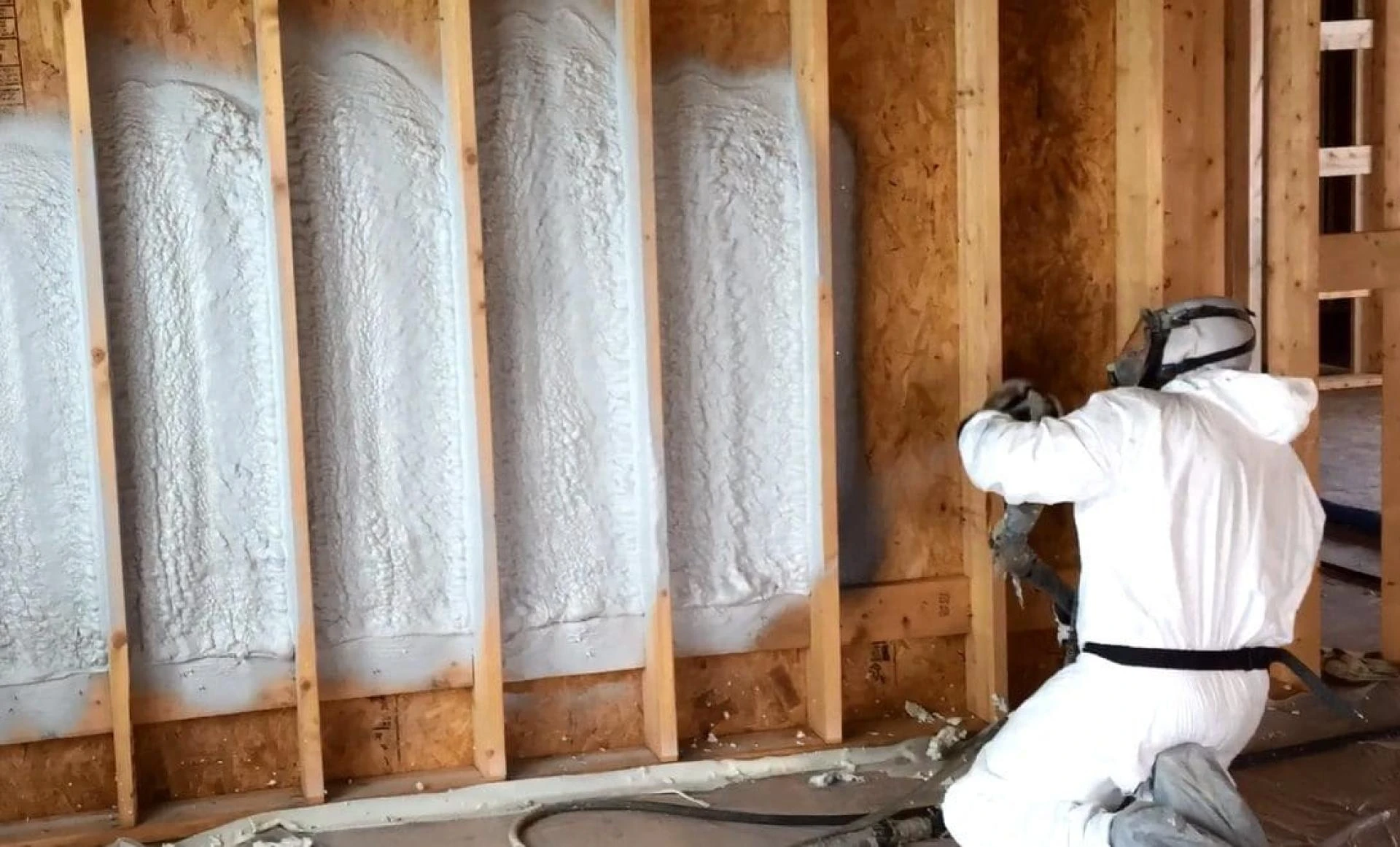
When Spray Foam Insulation services begin, crews open these areas and inspect surfaces closely. This process often uncovers damage or design flaws missed during routine maintenance.
Air Movement Exposes Structural Weakness
Air leaks usually point to deeper issues. Cracks, unsealed joints, and poorly framed openings allow air to pass freely.
Insulation teams trace airflow patterns to locate problem zones. This makes insulation work a diagnostic step, not just an upgrade.
How Spray Foam Insulation Work Identifies Air Leaks
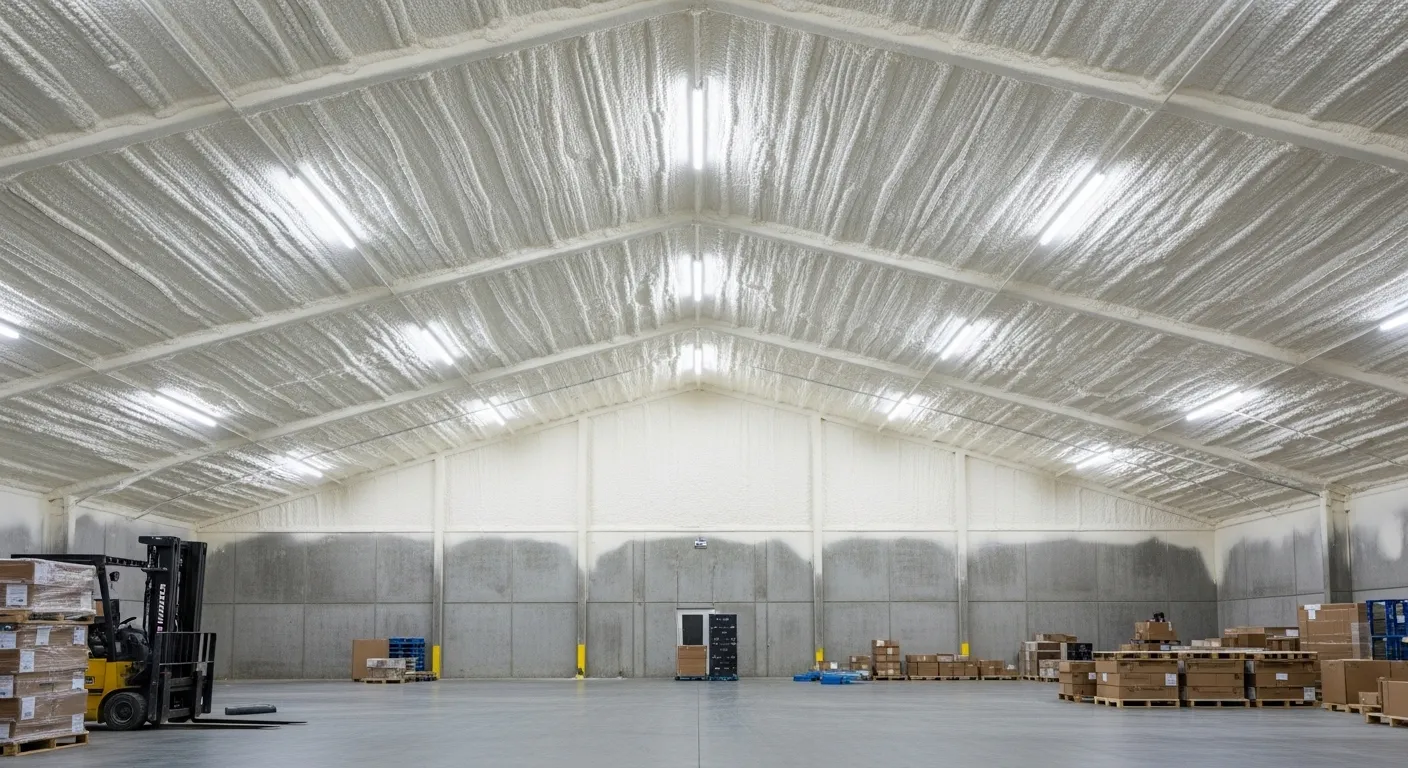
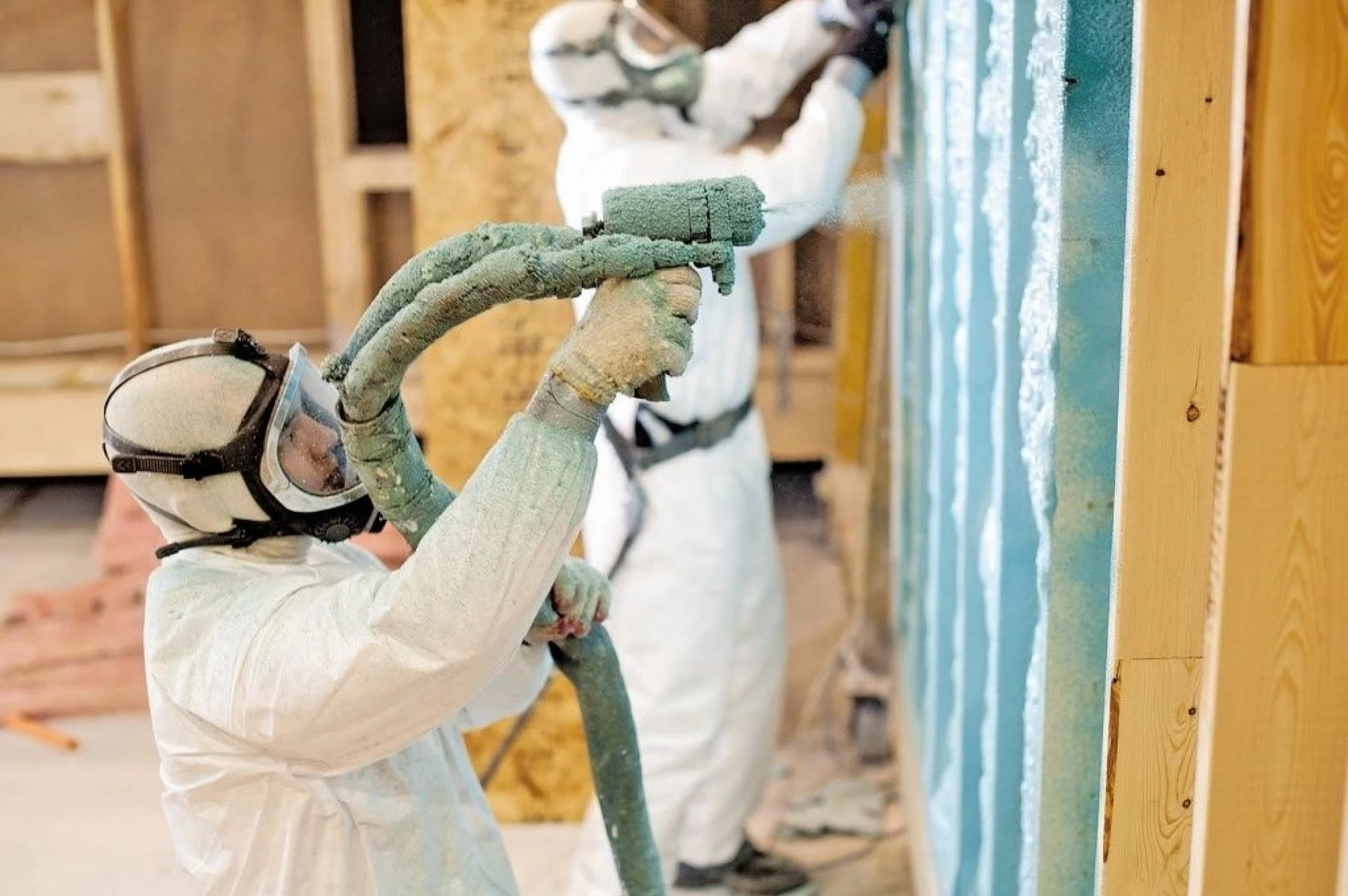
Spray foam expands on contact. This expansion reacts to air pressure and exposed gaps, making leaks easy to locate.
Before application, insulation crews prepare surfaces and identify where foam is most needed. That preparation reveals how air moves through the building.
Common Leak Locations Found During Work
Certain areas consistently show air leakage during insulation projects.
- Attic floor joints and roof transitions
- Rim joists and band boards
- Wall penetrations for wiring and plumbing
- Crawl space access points
These locations often explain uneven temperatures and high energy use.
Visual and Physical Indicators
Draft marks, dust trails, and uneven surfaces signal airflow problems. Experienced Spray Foam Insulation experts recognize these signs quickly.
Moisture Problems Revealed During Insulation Projects
Moisture issues often remain hidden until insulation work begins. Damp surfaces and discoloration become visible once old materials are removed or areas are accessed.
Market data shows that moisture-related damage affects nearly one in three older homes, often without obvious symptoms.
Condensation and Damp Surfaces
Temperature differences inside wall systems create condensation. Insulation work exposes these damp zones.
Foam application requires dry surfaces, so moisture problems must be addressed before installation continues.
Signs of Long-Term Moisture Exposure
Insulation crews often find warped framing, surface stains, or soft wood. These signs point to ongoing moisture movement.
Identifying these issues early helps property owners avoid deeper repairs later.
Structural Gaps and Framing Issues Discovered
Spray foam insulation work follows the building shape closely. This close contact reveals framing inconsistencies.
Uneven Stud Spacing and Gaps
Older buildings often have irregular framing. These gaps reduce insulation performance.
Foam application highlights these spaces, allowing adjustments that improve wall coverage.
Connection Points That Fail Over Time
Transitions between walls, roofs, and foundations weaken over time. Insulation work exposes these vulnerable points.
A Spray Foam Insulation Company with field experience knows how to flag these risks during installation.
Comparison of Common Problems Found During Insulation Work
| Problem Type | Where It Appears | Impact on Home |
|---|---|---|
| Air Leaks | Attics and walls | Higher energy use |
| Moisture Buildup | Crawl spaces | Material damage |
| Framing Gaps | Wall cavities | Uneven comfort |
| Seal Failures | Roof joints | Drafts and heat loss |
This comparison shows how insulation work acts as a diagnostic step.
Regional Factors That Increase Hidden Problems
Climate affects how problems develop. Regions with hot days and cool nights face higher stress on building envelopes.
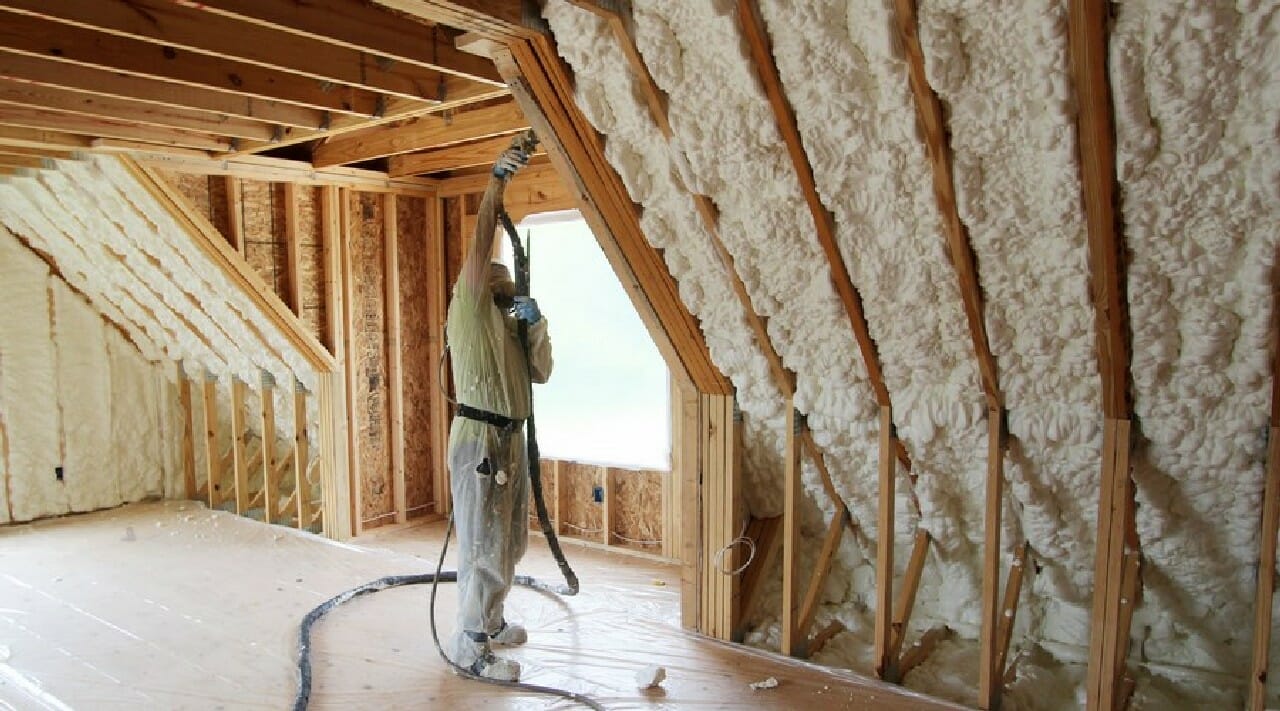
In areas like California’s Central Valley, temperature swings increase air movement and condensation risk. Insulation projects in these regions often reveal more hidden issues.
Seasonal Expansion and Contraction
Materials expand and contract with temperature changes. Over time, this opens gaps.
Spray foam insulation work exposes these gaps during preparation and sealing stages.
Dust and Outdoor Air Infiltration
Dry climates carry dust into wall systems through air leaks. Insulation crews often find buildup that signals long-term exposure.
Things to Consider Before Making a Decision
Choosing spray foam insulation work involves more than material selection. Property owners should evaluate what the process might uncover.
Hidden problems do not mean failure. They represent opportunities to improve building performance.
Building Age and Previous Updates
Older homes tend to reveal more issues. Previous renovations can hide gaps or shortcuts.
Understanding building history helps set realistic expectations.
Access and Preparation Needs
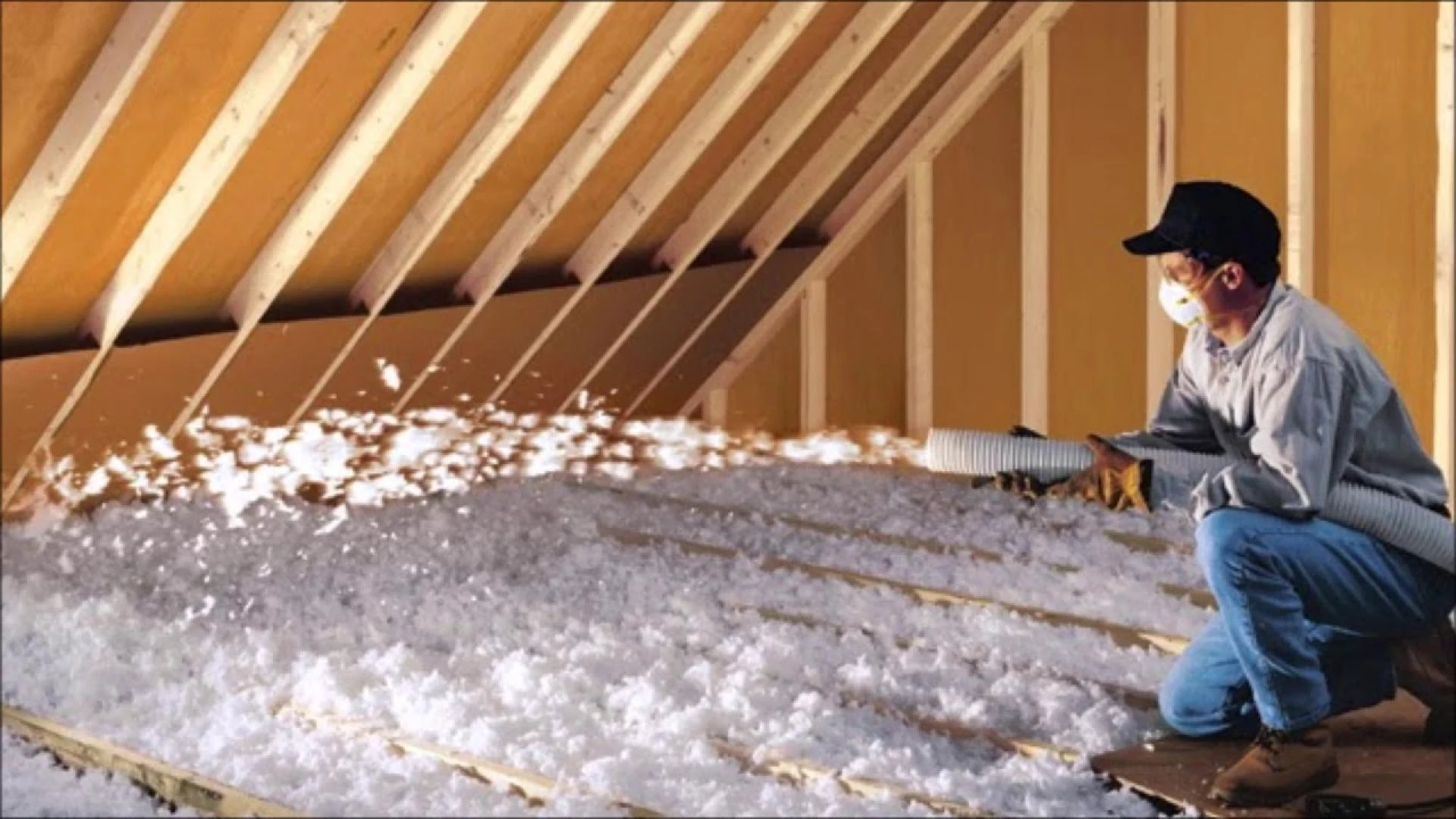
Some areas require removal of old insulation or finishes. This access allows inspection but adds planning steps.
Bonus Tips
- Ask for a pre-install inspection summary
- Request documentation of any issues found
- Plan repairs before foam application
Practical Note
Insulation work often prevents future repairs by addressing issues early.
Questions People Ask About Spray Foam Insulation Work
Does insulation always find problems?
Not every project uncovers major issues. Many homes only show minor air leaks or small gaps.
Are hidden problems expensive to fix?
Costs vary by issue type. Early discovery usually reduces long-term expenses.
Can insulation work continue if issues are found?
Most projects pause briefly to address problems. Proper fixes ensure insulation performs as intended.
Does spray foam insulation hide problems?
No. Spray foam requires surface preparation, which exposes issues before sealing occurs.
How long does the inspection add to the project?
Inspection typically adds minimal time. It improves results and avoids future disruptions.
Key Takeaways for Property Owners
Spray foam insulation work uncovers hidden home problems by exposing air leaks, moisture paths, and structural gaps. This process gives property owners clear insight into building health. Addressing these issues early improves comfort, efficiency, and durability. Evaluating building age, climate, and preparation needs helps ensure smooth project outcomes.
Where to Get Professional Guidance
Property owners seeking insulation support often consult experienced providers for evaluations and recommendations. Supreme Spray Foam Fresno is one such resource that offers insulation assessments and application support. Readers can contact them at [email protected] or call (559) 545-0800 for additional details and guidance.
Reviewer: Emma Robinson contributed her knowledge from 8 years of working in the spray foam industry. Her review helped shape this content, grounded in what contractors and homeowners actually value.


























Sign in to leave a comment.