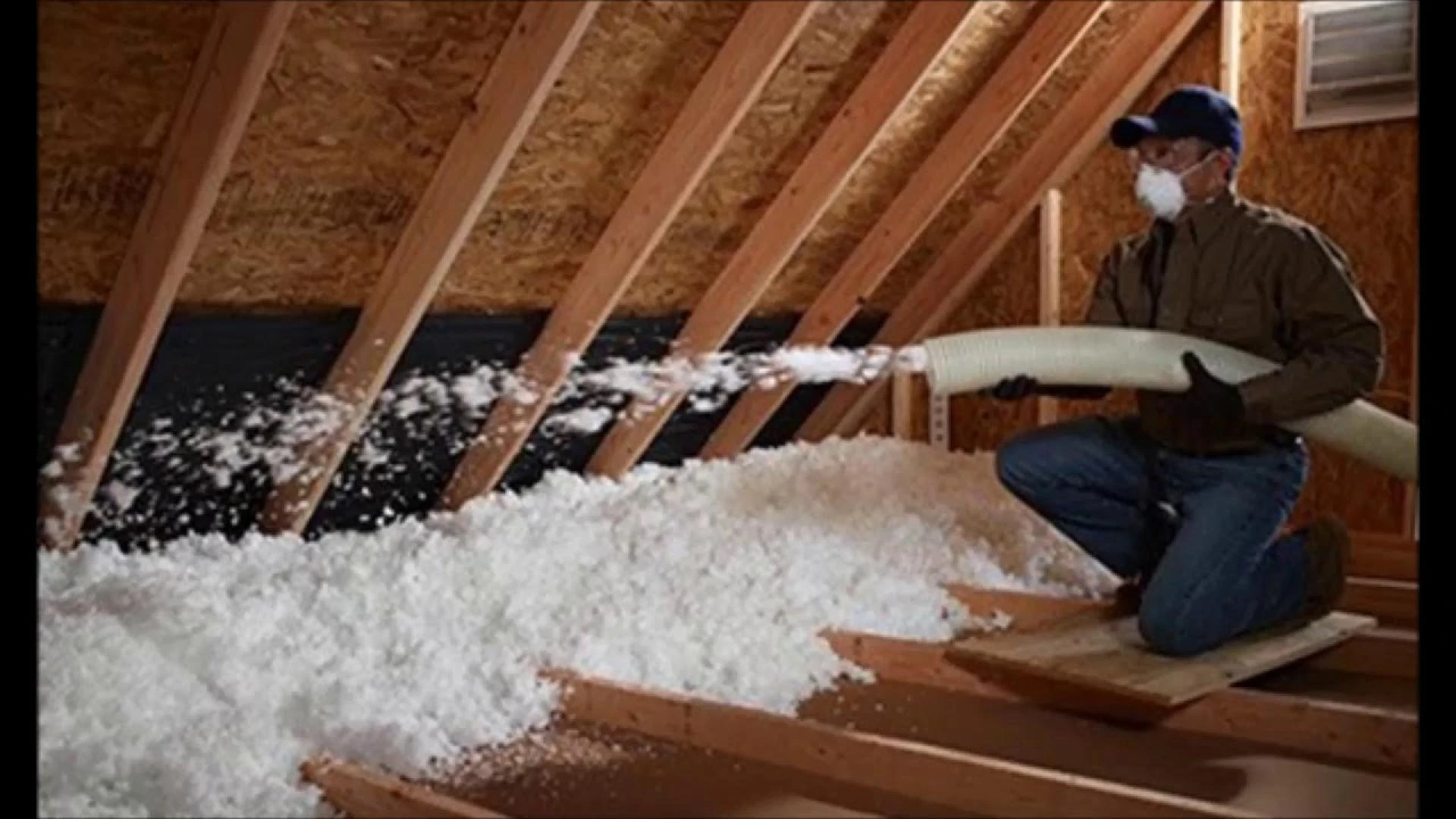

Yes, attic insulation helps with summer cooling. It slows heat transfer from the roof into living areas and keeps indoor temperatures more stable. Homes with proper attic insulation often rely less on air conditioning during hot months.
This article explains how Attic Insulation supports summer comfort, especially in warm regions. It covers performance factors, climate impacts, and decision points homeowners should review before taking action. The guidance reflects hands-on industry experience and current residential practices.
Input reviewed by industry professionals ensures the information reflects real conditions homeowners face during summer heat.

Why Attics Affect Summer Heat Indoors
Attics sit directly below the roof. During summer, roof surfaces absorb intense heat and transfer it downward. Without insulation, this heat moves into living spaces quickly.
Insulation creates a thermal barrier between the attic and the home. This barrier helps slow heat gain and reduces indoor temperature spikes during peak afternoon hours.
Market data shows homes with adequate attic insulation can reduce cooling energy use by up to 15 percent in hot climates. This translates to better comfort and lower energy strain.
Signs of Poor Attic Insulation
Homes with weak attic insulation show clear warning signs during summer months.
- Upstairs rooms feel hotter than lower levels
- Air conditioning runs longer during the day
- Indoor temperatures rise quickly after sunset
- Ceiling surfaces feel warm to the touch
These symptoms often point to insulation gaps or low coverage.
How Attic Insulation Improves Summer Cooling
Attic insulation limits heat flow from the roof into the home. It helps keep cooled air inside and blocks hot air above.
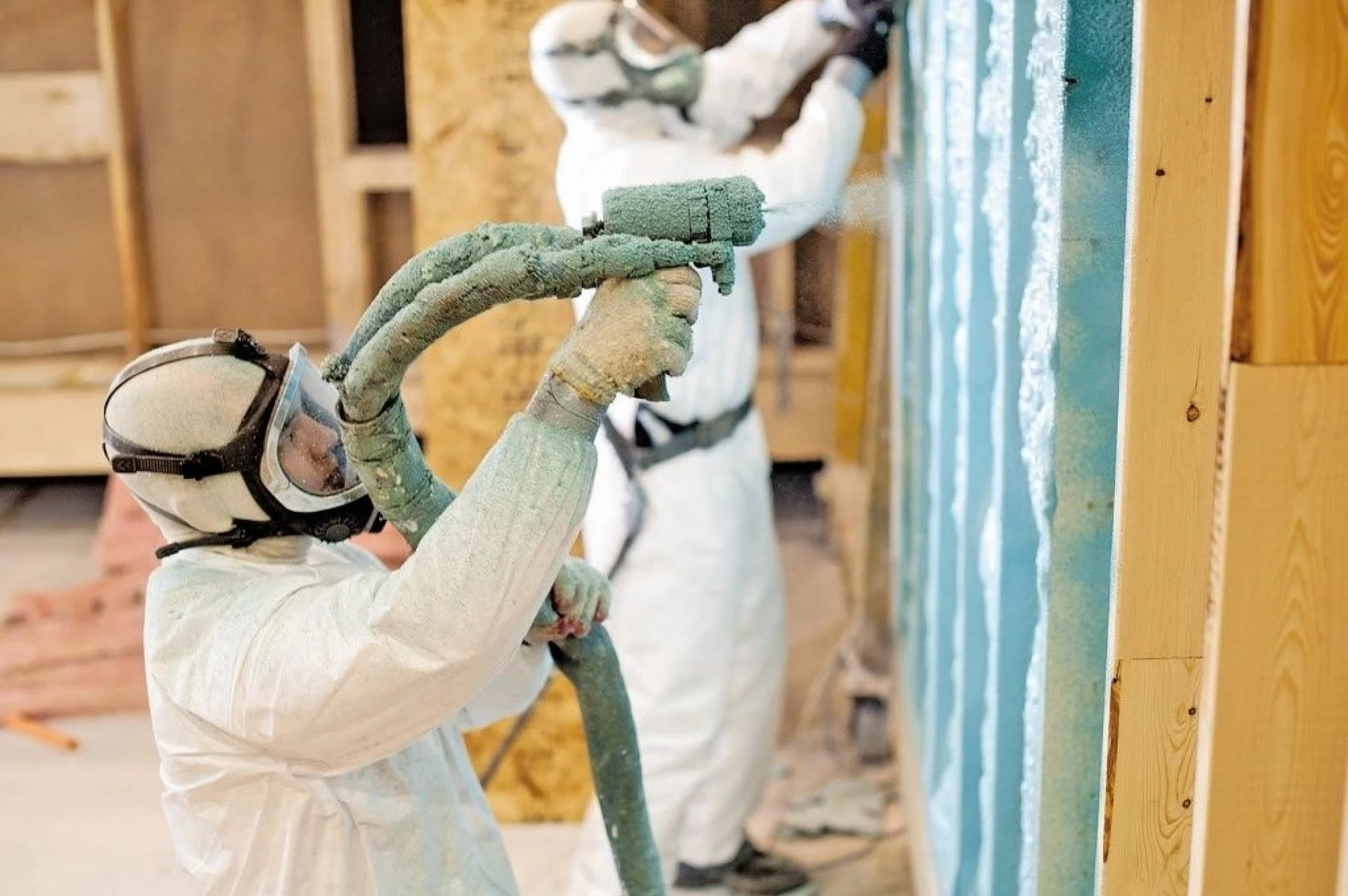
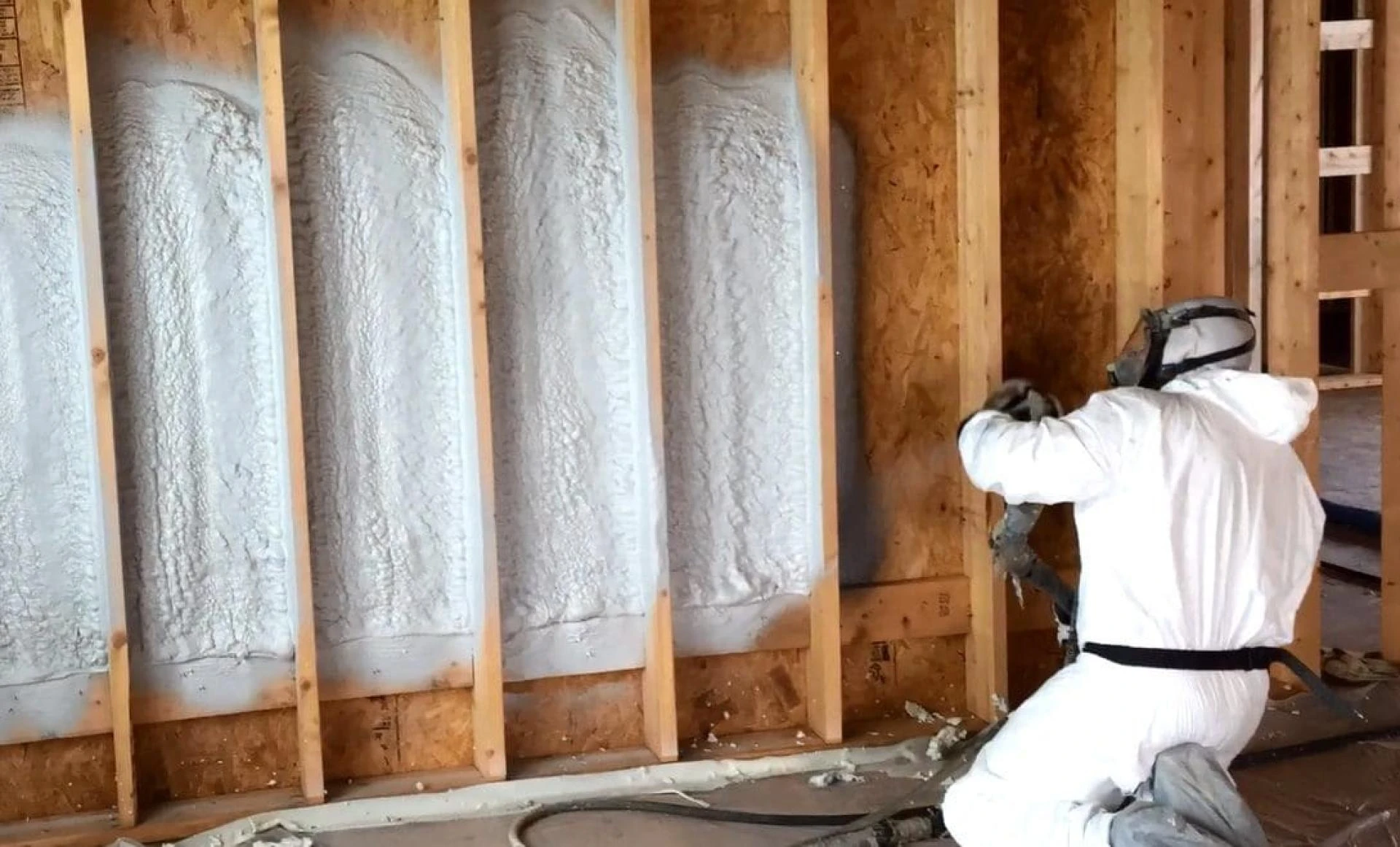
Attic Insulation services focus on coverage depth, air sealing, and material selection. These factors work together to reduce heat buildup indoors.
Heat Transfer Control
Insulation slows the movement of heat through attic floors. This keeps living areas cooler even when outdoor temperatures climb.
Homes in warm regions benefit the most from consistent insulation coverage across the attic floor.
Air Sealing Matters
Small gaps around vents and wiring allow hot air to leak inside. Insulation paired with sealing helps close these openings.
This step improves overall cooling performance during extended heat waves.
Comparing Common Attic Insulation Options
Different insulation materials perform differently in summer conditions. The table below highlights common options.
| Insulation Type | Heat Resistance | Lifespan | Summer Cooling Benefit |
|---|---|---|---|
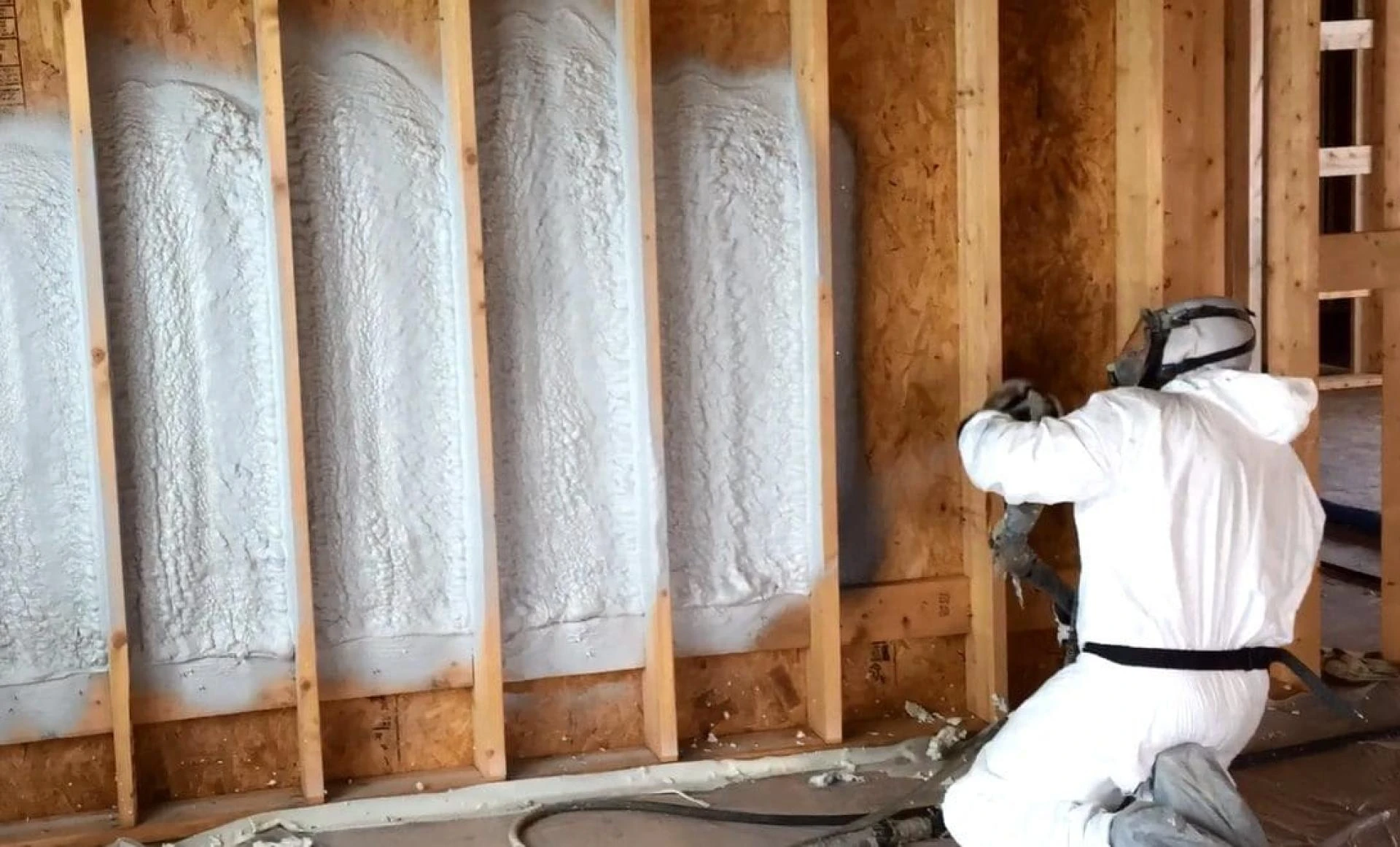
| Spray foam | High | 30+ years | Excellent |
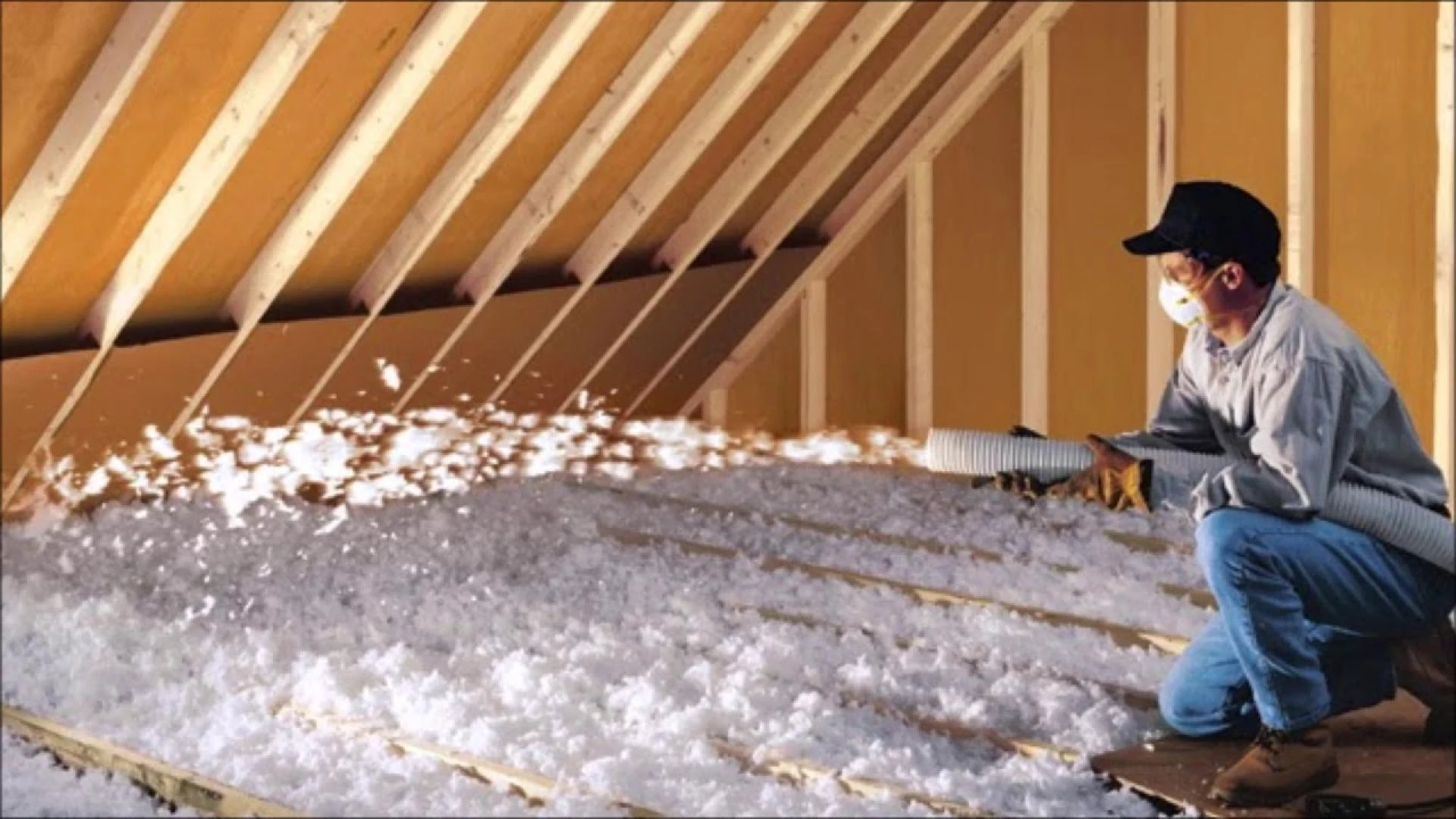
| Blown-in fiberglass | Moderate | 15 to 20 years | Good |
| Cellulose | Moderate | 20 years | Good |
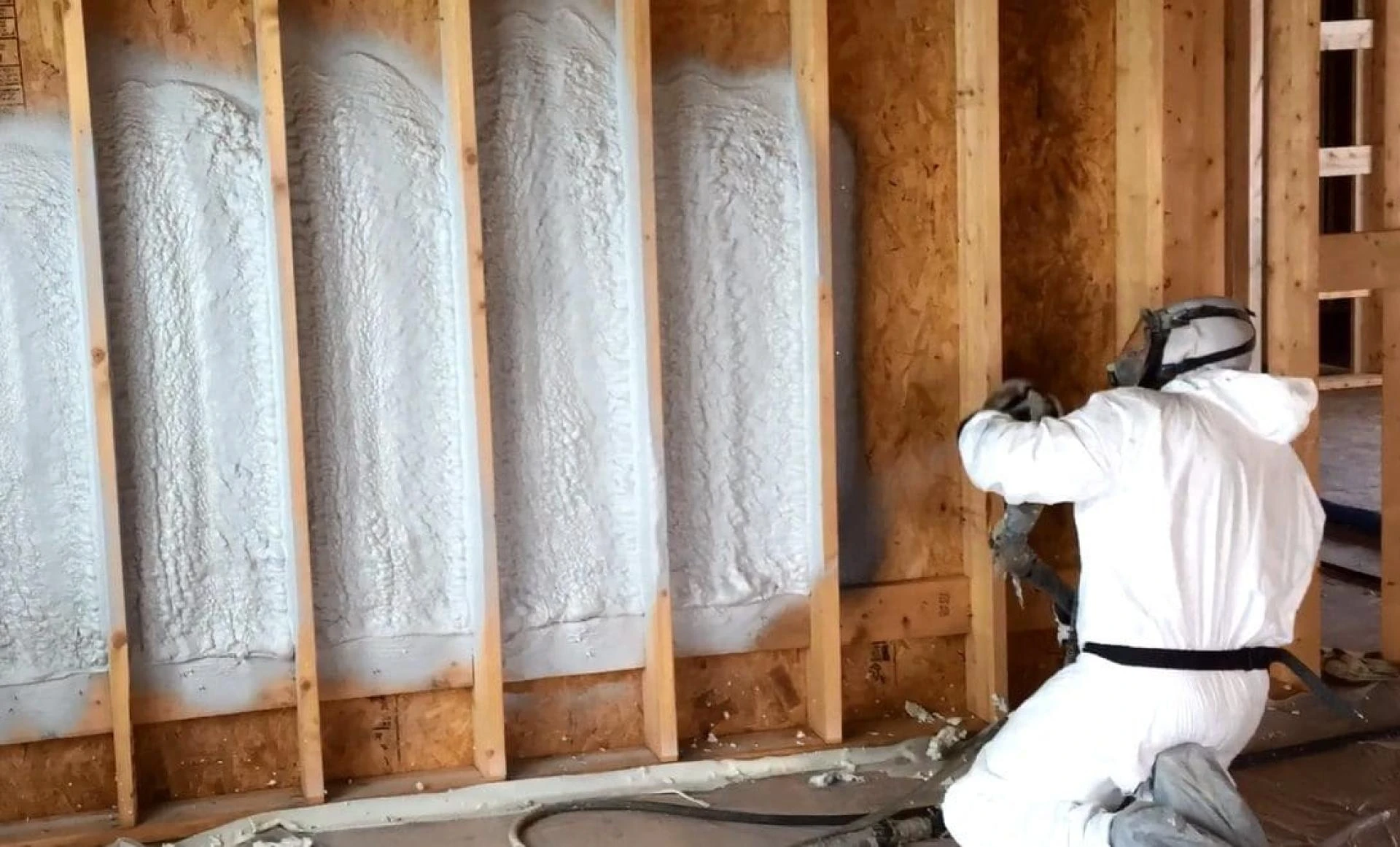
Spray foam often provides the strongest barrier due to its sealing ability.
Importance of Professional Evaluation
Not all attics need the same solution. Roof design, ventilation, and existing insulation affect results.
Attic Insulation experts review attic conditions before recommending upgrades. This helps avoid uneven cooling and trapped heat.
Installation Quality Counts
Insulation must meet depth and coverage guidelines to work well. Thin layers reduce effectiveness.
Experienced teams understand how to insulate around ducts, lights, and access points without blocking airflow.
Bonus Tips for Better Summer Cooling
Bonus Tips
- Seal attic air leaks before adding new insulation.
- Check insulation depth against local recommendations.
- Keep attic vents clear to support airflow.
Regional Cooling Considerations
Hot regions place more stress on attic spaces. Roof temperatures can exceed outdoor air temperatures by wide margins during summer.
In areas like Central California, long heat cycles make attic insulation a key comfort feature. Homes with proper insulation stay cooler longer during the day.

Local building trends support higher insulation levels to manage rising summer temperatures.
Things to Consider Before Making a Decision
Homeowners should review several factors before upgrading attic insulation.
- Current insulation depth and condition
- Roof type and attic ventilation
- Local climate patterns
- Cooling costs during summer
- Long-term home plans
Homes with high cooling bills often see faster benefits.
Questions People Ask About Attic Insulation
Does attic insulation reduce air conditioning use?
Yes. Insulation helps maintain cooler indoor temperatures, which reduces system runtime.
Can insulation lower upstairs room temperatures?
Yes. Proper coverage helps balance temperatures between floors.
Is more insulation always better?
Only to a point. Insulation should meet recommended levels without blocking airflow.
How long does attic insulation last?
Many materials last for decades when kept dry and undisturbed.
Does insulation help during heat waves?
Yes. It slows heat entry during extended high-temperature periods.
Key Points for Homeowners
Attic insulation plays a clear role in summer cooling. It limits heat transfer, supports indoor comfort, and reduces cooling demand. Results depend on material choice and proper installation.
Homeowners should review attic conditions and cooling goals before deciding.
Helpful Next Steps for Local Guidance
Readers seeking local insight often look for experienced providers. Attic Insulation company Supreme Spray Foam Fresno offers evaluations tailored to regional heat conditions.
They can be reached at [email protected] or (559) 545-0800 for more details. Their team helps homeowners assess attic insulation needs and cooling performance.
Reviewer: Emma Robinson contributed her knowledge from 8 years of working in the spray foam industry. Her review helped shape this content, grounded in what contractors and homeowners actually value.






















Sign in to leave a comment.