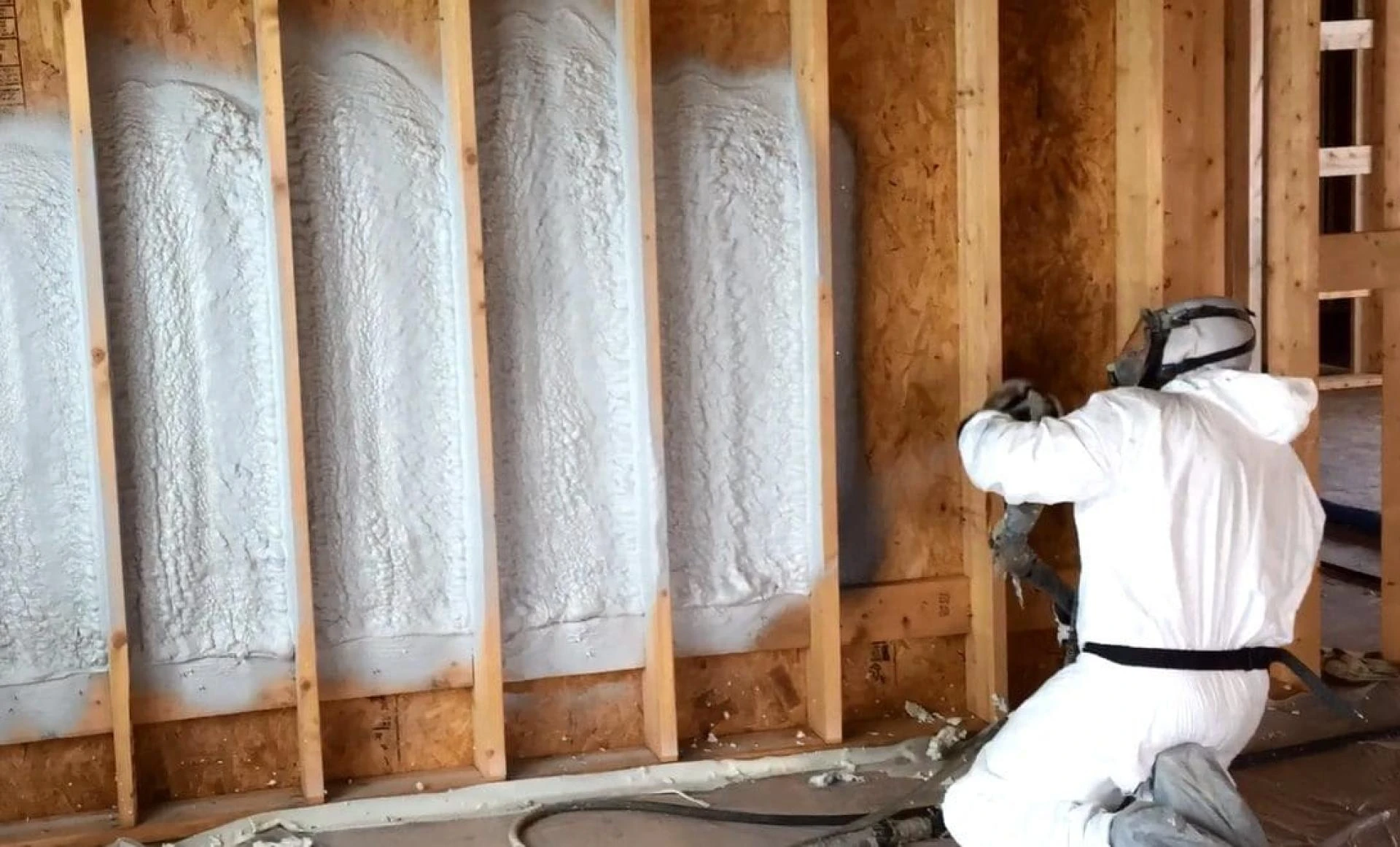

Spray foam insulation improves indoor comfort by creating an airtight barrier that stabilizes temperature, reduces drafts, and minimizes noise. When applied by skilled spray foam insulation experts, it adapts to gaps and irregular surfaces, preventing energy loss and maintaining a consistent indoor environment. Proper techniques directly enhance how a space feels, making it warmer in winter, cooler in summer, and quieter year-round.
They also control moisture, preventing dampness and mold growth, which contributes to healthier indoor air. By understanding building structures and applying the right density and thickness, spray foam insulation optimize comfort, efficiency, and durability in homes and commercial properties.
This guide explains the specific techniques used by professionals, how they impact indoor feel, and factors homeowners should consider before investing in spray foam insulation services.

Understanding Application Techniques
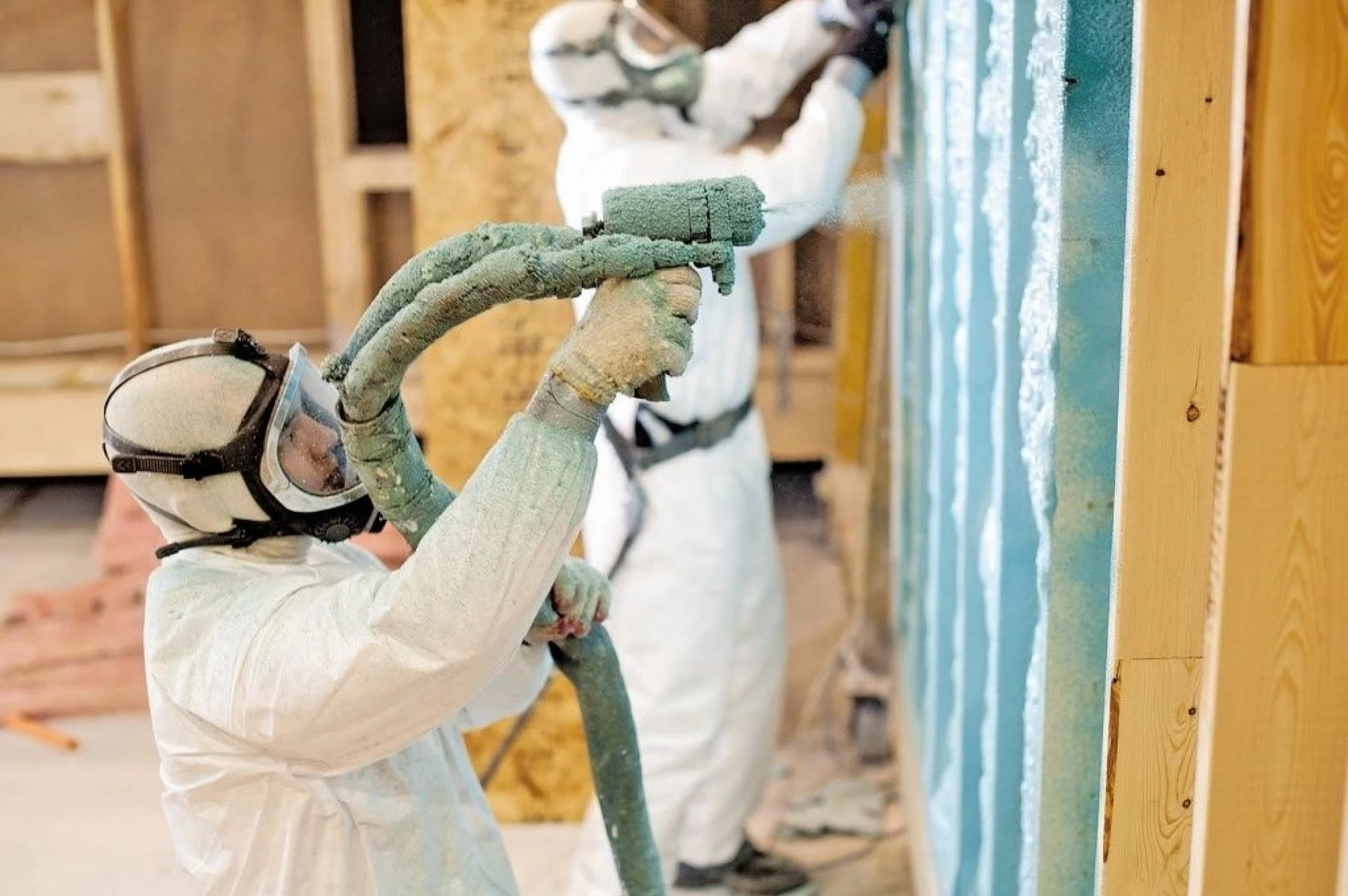
Experts follow precise application methods to ensure spray foam performs optimally. Proper technique affects insulation consistency, coverage, and long-term results.
Surface Preparation
Surface preparation is critical to ensure proper adhesion and coverage. Professionals remove dust, debris, and moisture from surfaces to prevent gaps or weak spots. Clean surfaces allow the foam to expand evenly, creating a uniform thermal barrier.
Tiny Details Matter
Even small irregularities in walls or ceilings can affect performance. Experts inspect corners, penetrations, and joints to make sure foam reaches every cavity.
Layering and Density Control
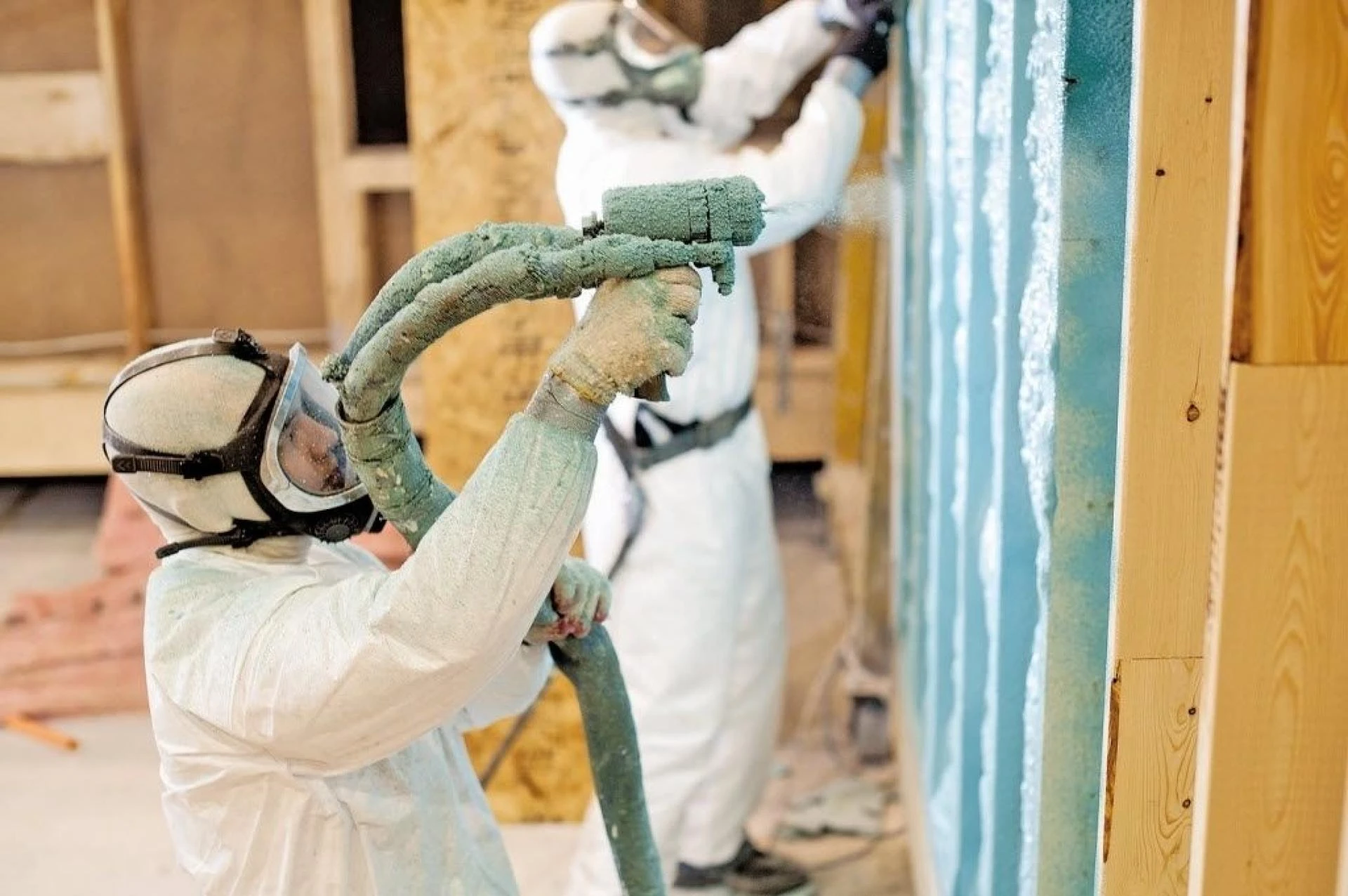
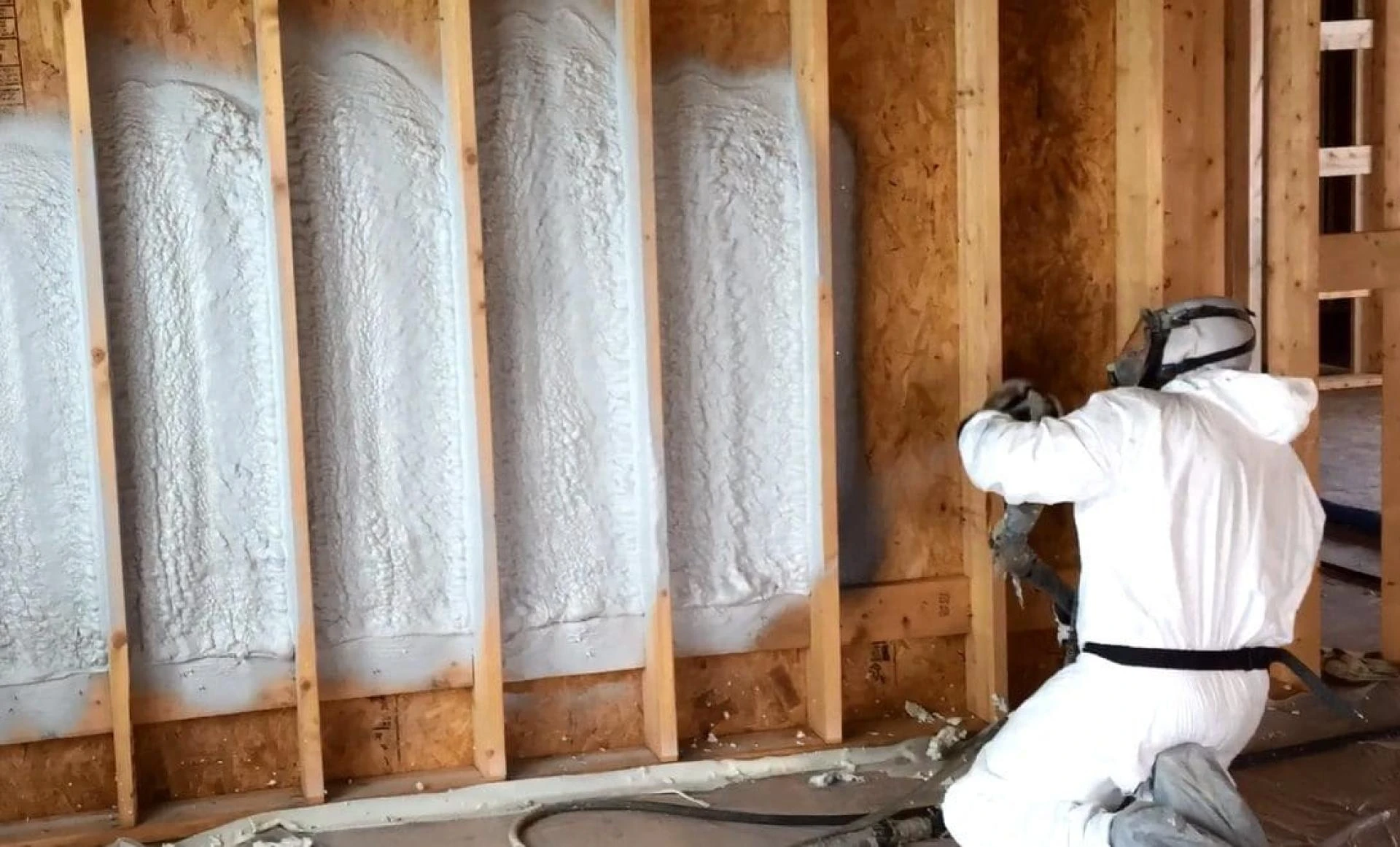
Professionals apply foam in controlled layers, adjusting thickness and density to suit climate and building type. This prevents sagging, air pockets, or overexpansion that can damage surfaces.
Bonus Tip
Using multiple thin layers rather than one thick coat improves insulation longevity and reduces the risk of shrinkage.
Enhancing Indoor Comfort
Spray foam improves indoor feel in several key ways. Each technique focuses on creating a stable, comfortable environment.
Temperature Regulation
A continuous foam layer prevents air leaks, reducing hot or cold spots. In regions with extreme temperatures, this technique minimizes reliance on HVAC systems and stabilizes indoor climate.
Noise Reduction
Foam acts as a sound barrier, absorbing vibrations from outside and between rooms. Properly applied foam ensures even coverage and maximum noise dampening.
Moisture Control
By sealing cracks and gaps, spray foam reduces humidity and prevents mold. This creates a healthier indoor environment while protecting structural materials from water damage.
Regional Considerations
Climate and location affect how spray foam is applied. In Fresno, where summers are hot and winters are mild, experts typically focus on roof and wall insulation to reduce heat gain. Coastal areas may require additional moisture-resistant layers, while colder regions need thicker coverage for thermal efficiency.
| Region Type | Application Focus | Indoor Benefits |
|---|---|---|
| Hot climates | Roof and exterior walls | Keeps interior cooler, reduces HVAC use |
| Cold climates | Attic and wall cavities | Maintains warmth, prevents drafts |
| Humid climates | Moisture-resistant layers | Reduces mold, improves air quality |
| Mixed climates | Balanced wall and roof coverage | Stabilizes temperature year-round |
Things to Consider Before Making a Decision
Before hiring a spray foam insulation contractor, homeowners should evaluate key factors to ensure the investment meets their comfort goals.
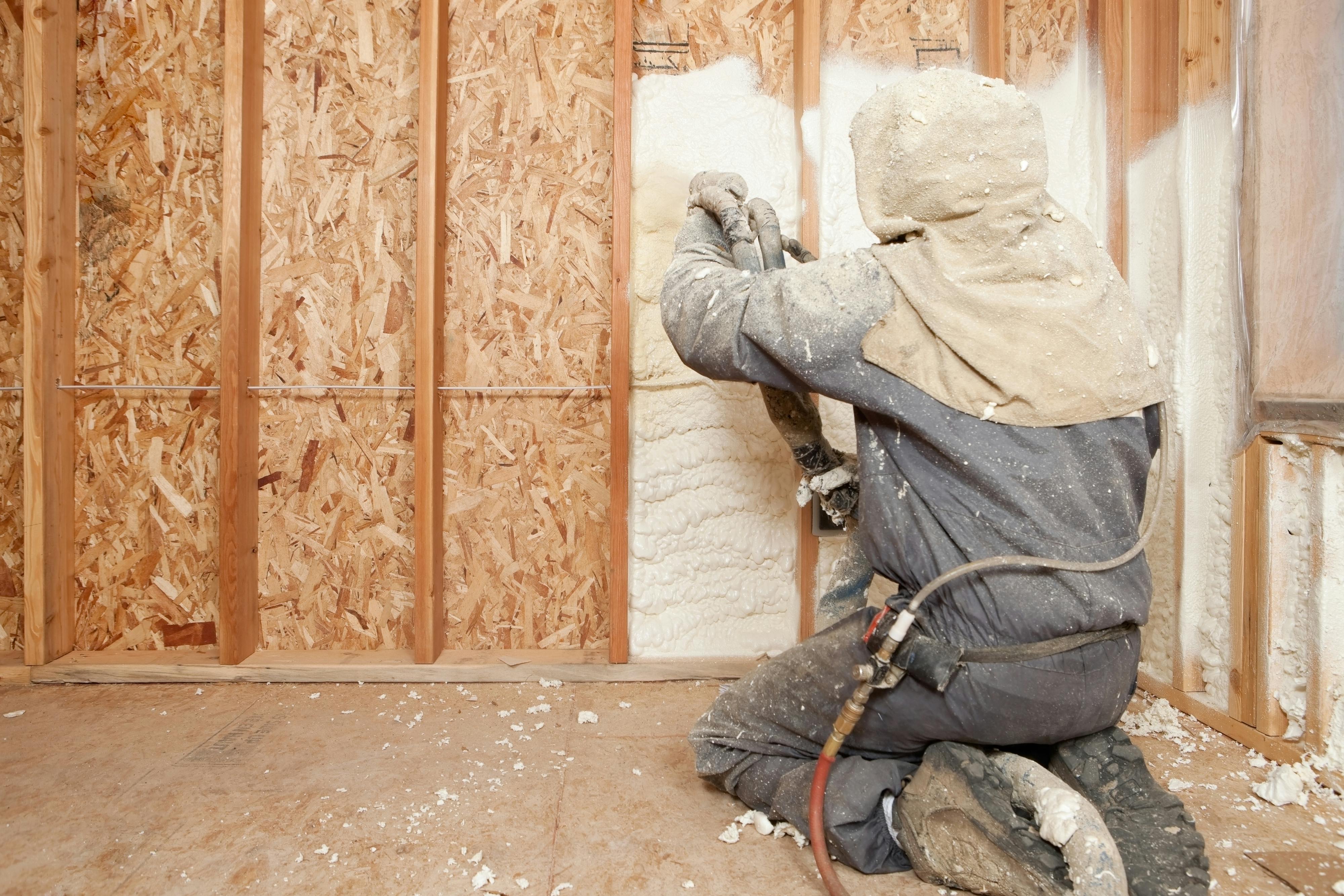
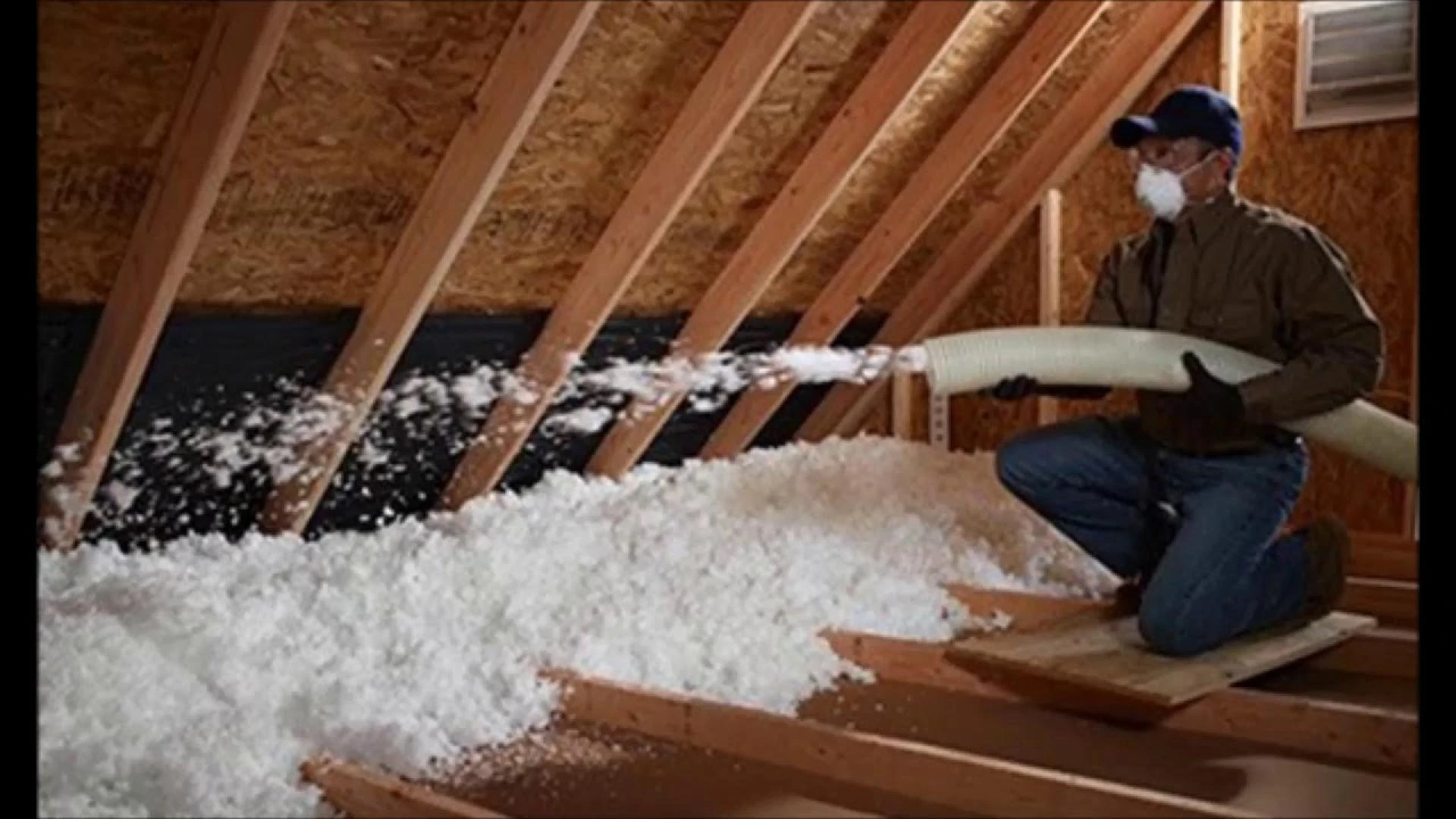
- Material type: Open-cell foam is lighter and allows some airflow, while closed-cell foam is denser and provides stronger moisture resistance.
- Building structure: Older homes may require extra preparation for proper adhesion.
- Energy efficiency goals: Insulation thickness and coverage directly influence heating and cooling costs.
- Local climate: Choose techniques suited for temperature extremes or humidity.
- Maintenance needs: Proper application reduces long-term upkeep and potential repairs.
Bonus Tip
Ask the service provider to perform a thermal imaging scan before and after installation. This identifies weak spots and ensures even coverage.
Questions People Ask About Spray Foam Insulation
How long does spray foam insulation last?
When applied correctly, spray foam can last 20–30 years. Proper installation and maintenance ensure consistent indoor comfort over time.
Can spray foam improve indoor air quality?
Yes. By sealing gaps, it reduces dust, pollen, and moisture, which decreases allergens and mold risk.
Is spray foam suitable for all home types?
Spray foam can adapt to most structures, including older homes and irregular layouts. Experts adjust techniques based on wall types and cavity sizes.
How soon can I use my space after installation?
Most spaces can be reoccupied within 24 hours, though curing times vary depending on foam type and application thickness.
Does spray foam reduce energy bills?
Yes. It prevents heat loss and reduces HVAC load. Homeowners can often see 10–20% energy savings annually, depending on climate and insulation coverage.
Evaluating Indoor Comfort Benefits
Spray foam insulation improves the overall indoor feel through precision and expertise. Proper surface prep, layering, and regional adjustments ensure consistent temperature, moisture control, and sound reduction. When applied correctly by skilled professionals, it provides long-term benefits that enhance comfort, energy efficiency, and property value.
Next Steps for Homeowners
Homeowners seeking reliable solutions can contact Supreme Spray Foam – Fresno for guidance and professional spray foam insulation services. Their team can evaluate the property, recommend appropriate techniques, and provide estimates. Reach them via email at [email protected] or by phone at (559) 545-0800 to discuss options tailored to your home and indoor comfort goals.
Reviewer: Emma Robinson contributed her knowledge from 8 years of working in the spray foam industry. Her review helped shape this content, grounded in what contractors and homeowners actually value.



























Sign in to leave a comment.