
Most people don't spend much time thinking about what they're putting into their bird feeders.
Honestly, why would they?
A bag of bird seed is a bag of bird seed... or at least that's what many people assume. But after spending a little time observing backyard visitors, bird enthusiasts often notice something interesting. Certain foods get ignored, some get tossed onto the ground, while sunflower seed for birds seems to attract attention almost immediately.
That's when many bird lovers realize that the type of food they offer can make a significant difference.
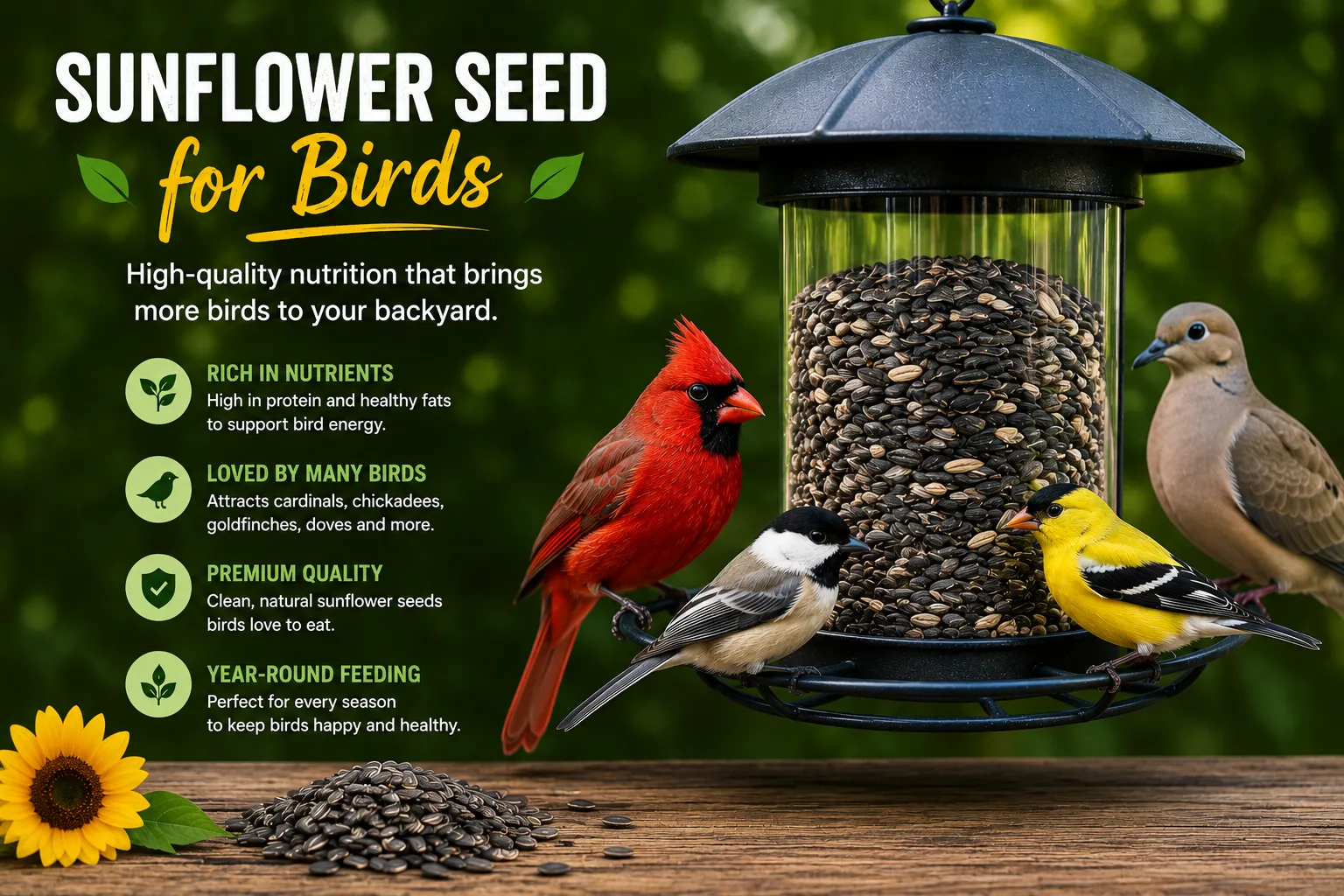
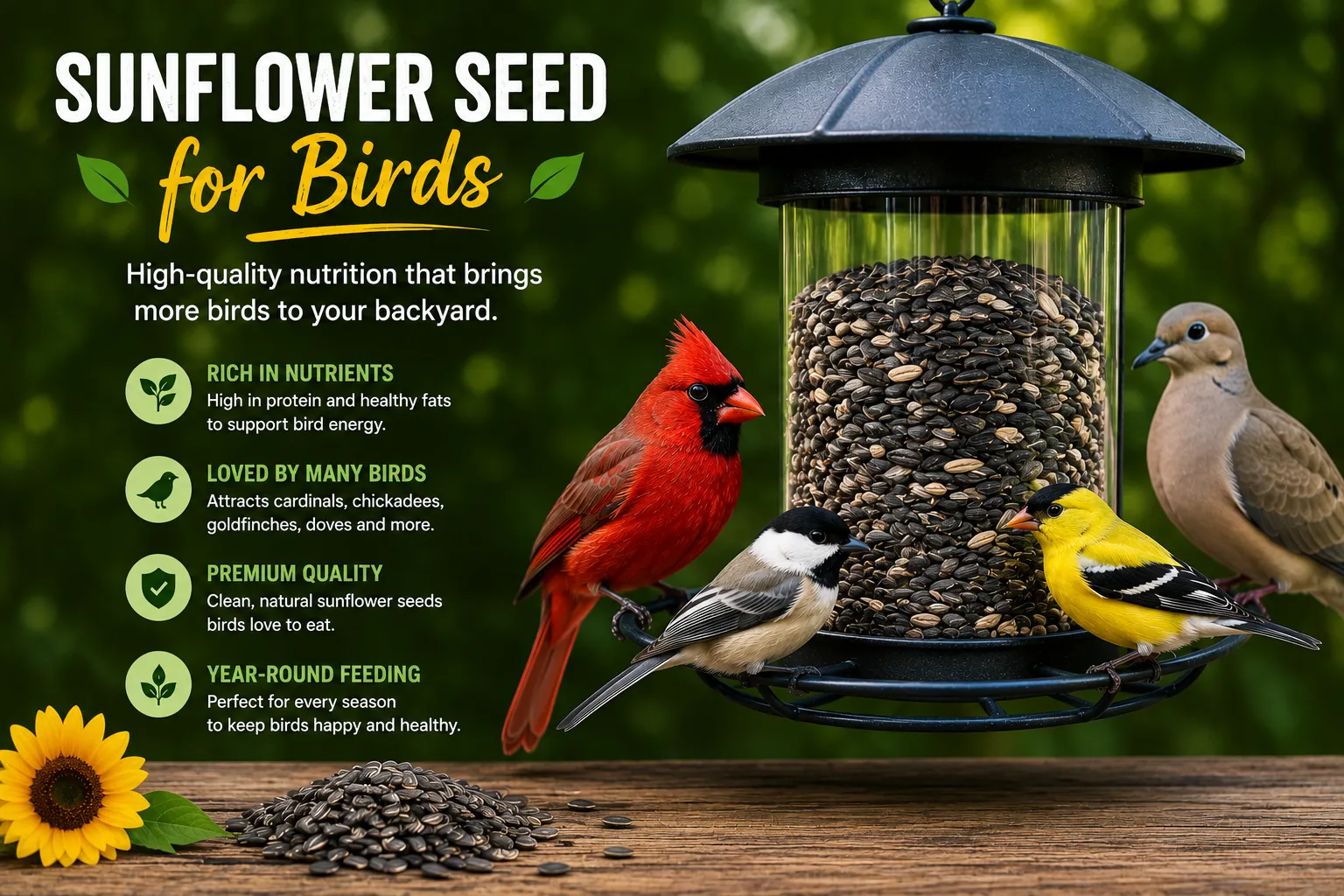
Whether it's a bright cardinal landing on the feeder or a flock of goldfinches arriving throughout the day, sunflower seeds have earned a reputation as one of the most popular foods for wild birds.
Birds Need Quality Nutrition Every Day
Watching birds can make life look simple.
They fly from tree to tree, perch on fences, and seem to spend their days effortlessly moving around the neighborhood.
The reality is a bit different.
Wild birds burn a tremendous amount of energy every day. Flying, nesting, searching for food, avoiding predators, and surviving changing weather conditions all require fuel.
A poor food source may fill a bird's stomach temporarily, but a nutrient-rich food source helps support overall health and daily activity.
That's one reason sunflower seeds remain so popular among bird enthusiasts. They provide birds with valuable protein and fat that can help support energy needs throughout the year.
Why So Many Bird Species Prefer Sunflower Seeds
One of the biggest advantages of offering sunflower seeds is the variety of birds they attract.
Some bird foods appeal to only a handful of species.
Sunflower seeds, however, attract a much wider audience.
Common visitors often include:
- Cardinals
- Chickadees
- Goldfinches
- Doves
- Titmice
- Finches
- Nuthatches
This variety is one of the reasons bird feeding becomes such an enjoyable hobby.
You never really know what you'll see next.
One morning you might spot a pair of cardinals carefully selecting seeds from the feeder. The following day, an entire flock of finches could arrive without warning.
It keeps things interesting.
The Difference Quality Bird Food Can Make
Many people assume all bird seed products are essentially the same.
Unfortunately, that's not always true.
Some lower-quality bird foods contain broken seeds, excess dust, empty shells, and fillers that birds simply leave behind.
The result?
More waste.
More cleanup.
Fewer returning visitors.
That's why many experienced bird enthusiasts choose a premium product such as premium sunflower bird seed when stocking their feeders.
Higher-quality seeds generally provide a cleaner feeding experience and a more desirable food source for birds.
When birds find a reliable food source they enjoy, they tend to come back repeatedly.
And that's exactly what most bird lovers hope to see.
A Reliable Feeding Option Throughout Every Season
One thing that makes sunflower seeds particularly appealing is their versatility.
Unlike some specialty bird foods, sunflower seeds can be offered throughout the year.
During winter, birds need additional energy to maintain body heat and survive colder temperatures.
Spring brings nesting season, which increases nutritional demands.
Summer often means feeding hungry young birds.
Autumn becomes a period of preparation as many birds build energy reserves before winter arrives.
Throughout all these seasonal changes, sunflower seeds remain a dependable food source.
That consistency makes life easier for bird enthusiasts while providing birds with a familiar source of nutrition.
Less Waste Around the Feeder
Anyone who has maintained a bird feeder for a while understands the frustration.
You fill the feeder.
The birds arrive.
A few hours later, the ground underneath is covered with discarded seed.
Birds are surprisingly selective eaters.
They often sort through mixed seed blends searching for specific foods they prefer.
Sunflower seeds reduce much of that problem because they're already one of the foods birds actively seek out.
That means less waste, less mess, and less time spent cleaning beneath feeders.
For many homeowners, that's a welcome bonus.
Creating a Backyard Birds Love to Visit
Food is important.
But it's only part of the equation.
Birds are more likely to visit areas where they feel safe and comfortable.
Providing nearby shrubs, trees, or natural cover gives birds a place to rest and retreat when necessary.
Fresh water can also dramatically increase bird activity.
It's surprising how many bird enthusiasts focus entirely on food while overlooking water sources.
A simple birdbath can attract an impressive variety of visitors.
Keeping feeders clean is equally important.
Fresh food and clean feeding areas encourage healthy feeding habits and make birds more likely to return.
Why Bird Enthusiasts Continue Choosing Sunflower Seeds
Bird feeding trends change all the time.
New blends appear. New feeding products enter the market. New recommendations circulate online.
Yet sunflower seed for birds continue to remain one of the most trusted options available.
The reason is fairly straightforward.
Birds enjoy them.
They attract multiple species, provide valuable nutrition, create less waste, and can be offered year-round.
For bird lovers looking to improve their backyard feeding experience, few options are as simple and effective as sunflower seed for birds.
Sometimes the best solutions aren't complicated.
They're the ones birds have been choosing all along.
A Small Change That Can Make a Big Difference
Many backyard bird enthusiasts spend years experimenting with different foods and feeding methods.
Sometimes the simplest adjustments produce the biggest results.
Switching to quality sunflower seeds can increase feeder activity, attract a wider variety of birds, and create a more enjoyable bird-watching experience overall.
Whether you're new to bird feeding or have been maintaining feeders for years, offering high-quality sunflower seeds is one of the easiest ways to support local bird populations while bringing more color and activity to your outdoor space.
And once the birds discover your feeder, don't be surprised if they make it part of their daily routine.


















Sign in to leave a comment.