Human resource management has undergone a significant transformation over the past few years. As businesses continue to embrace digital technologies, traditional HR processes are being replaced by smarter, more efficient solutions.
One of the biggest shifts has been the adoption of cloud-based HRMS software. Organizations of all sizes are moving away from spreadsheets and manual processes in favor of centralized systems that simplify workforce management.
But what is driving this transition, and why are businesses actively searching for the best HRMS software in 2026?
The Growing Complexity of HR Management
Managing employees today involves much more than maintaining records. HR teams are responsible for attendance tracking, payroll processing, leave management, recruitment, performance monitoring, compliance, and employee engagement.
As organizations grow, handling these responsibilities manually becomes increasingly difficult. Multiple spreadsheets, paperwork, and disconnected systems often create inefficiencies that slow down operations and increase the risk of errors.
To overcome these challenges, businesses are investing in technology that can automate routine tasks and improve overall workforce management.
What Is Cloud-Based HRMS Software?
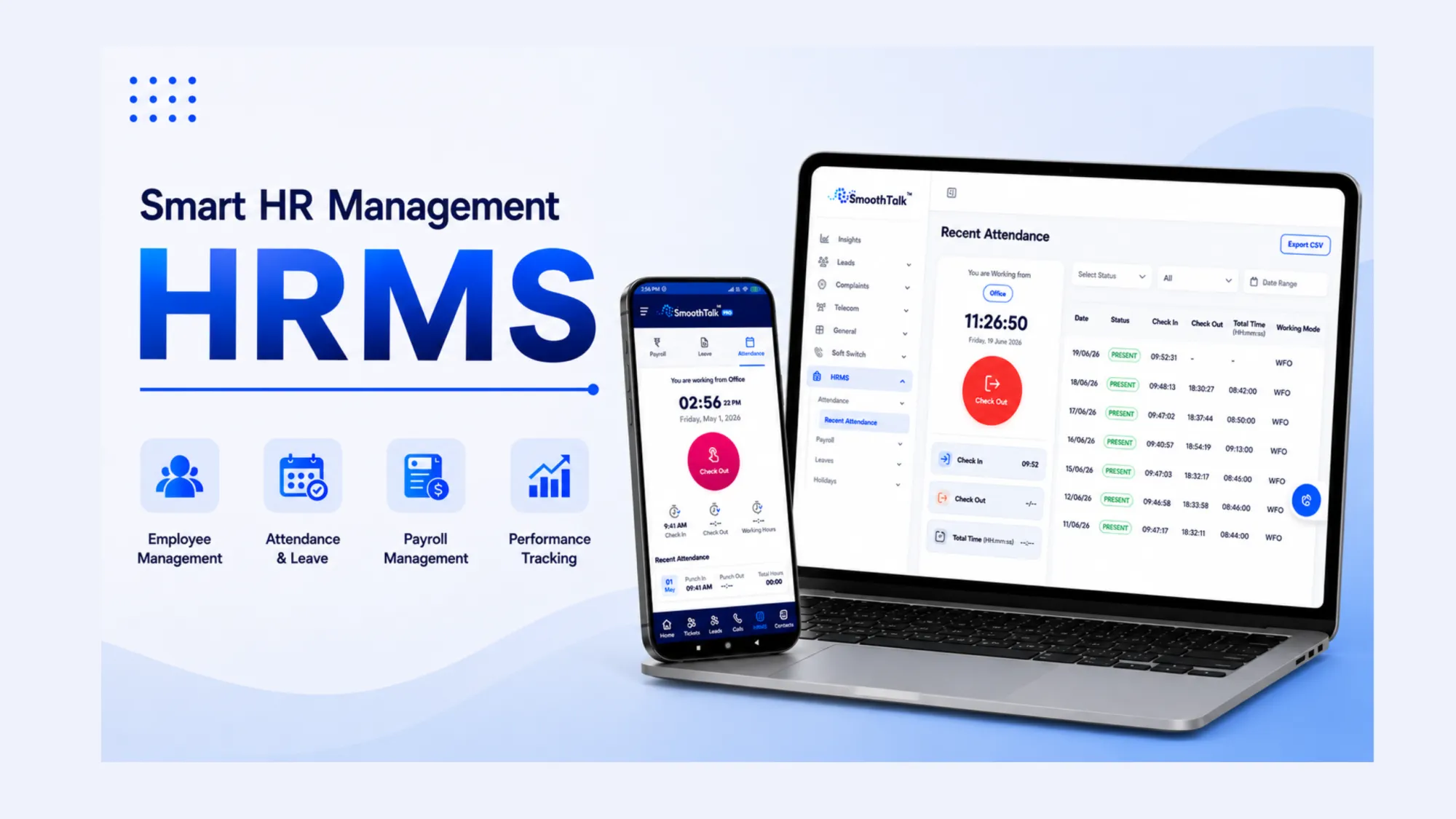
A cloud-based Human Resource Management System (HRMS) is an online platform that helps organizations manage HR functions through a centralized digital system.
Unlike traditional software that requires on-site installation and maintenance, cloud-based solutions can be accessed from anywhere using an internet connection.
These systems typically support:
- Employee data management
- Attendance tracking
- Leave management
- Payroll processing
- Recruitment workflows
- Performance evaluations
- Reporting and analytics
By bringing all HR activities together, organizations can improve efficiency while reducing administrative workload.
Why Businesses Prefer Cloud-Based HRMS Solutions
The demand for cloud-based HRMS software continues to rise because it offers several practical advantages.
1. Accessibility from Anywhere
Modern workplaces are no longer confined to a single location. Remote and hybrid work models require systems that employees and HR teams can access anytime and anywhere.
Cloud-based platforms provide real-time access to employee information, making workforce management more flexible and efficient.
2. Improved Operational Efficiency
Manual HR tasks consume a significant amount of time. Automating attendance, payroll, and leave approvals allows HR professionals to focus on strategic initiatives rather than repetitive administrative work.
3. Better Data Accuracy
Human errors in payroll calculations, attendance records, and employee information can create operational challenges. Automated workflows help improve accuracy and consistency across HR processes.
4. Enhanced Employee Experience
Employees increasingly expect digital self-service options. Modern HRMS platforms allow team members to apply for leave, access documents, view payroll information, and update personal details without relying on HR staff for every request.
Features to Look for in the Best HRMS Software
Not all HRMS platforms offer the same capabilities. When evaluating solutions, businesses should focus on features that support both current and future needs.
Important features include:
- Employee information management
- Attendance and leave tracking
- Payroll automation
- Recruitment and onboarding tools
- Performance management
- Employee self-service portals
- Reporting and workforce analytics
- Mobile accessibility
- Data security and compliance controls
The best HRMS software is one that balances usability, scalability, and automation while supporting long-term business growth.
How HRMS Supports Business Growth?
As organizations expand, workforce management becomes increasingly complex.
An effective HRMS helps businesses scale by providing centralized visibility into employee operations. HR teams can track workforce trends, monitor productivity, manage compliance requirements, and generate reports more efficiently.
This improved visibility enables leaders to make better decisions and respond more effectively to workforce challenges.
The Future of HR Technology
The future of HR management is being shaped by technologies such as artificial intelligence, predictive analytics, automation, and employee experience platforms.
Modern HRMS solutions are evolving beyond administrative tools to become strategic workforce management platforms. Businesses are increasingly using data-driven insights to improve hiring decisions, employee engagement, and workforce planning.
As digital transformation continues, cloud-based HR solutions will play an even more important role in helping organizations remain competitive.
Conclusion
The shift toward cloud-based HRMS software reflects the growing need for efficiency, flexibility, and automation in workforce management.
By replacing manual processes with centralized digital systems, businesses can improve productivity, enhance employee experiences, and streamline HR operations.
As organizations continue to adapt to changing workplace demands, investing in the best HRMS software can help create a more organized, scalable, and future-ready HR function.
For businesses looking to modernize their workforce management approach, cloud-based HRMS technology is becoming less of an option and more of a necessity.



























Sign in to leave a comment.