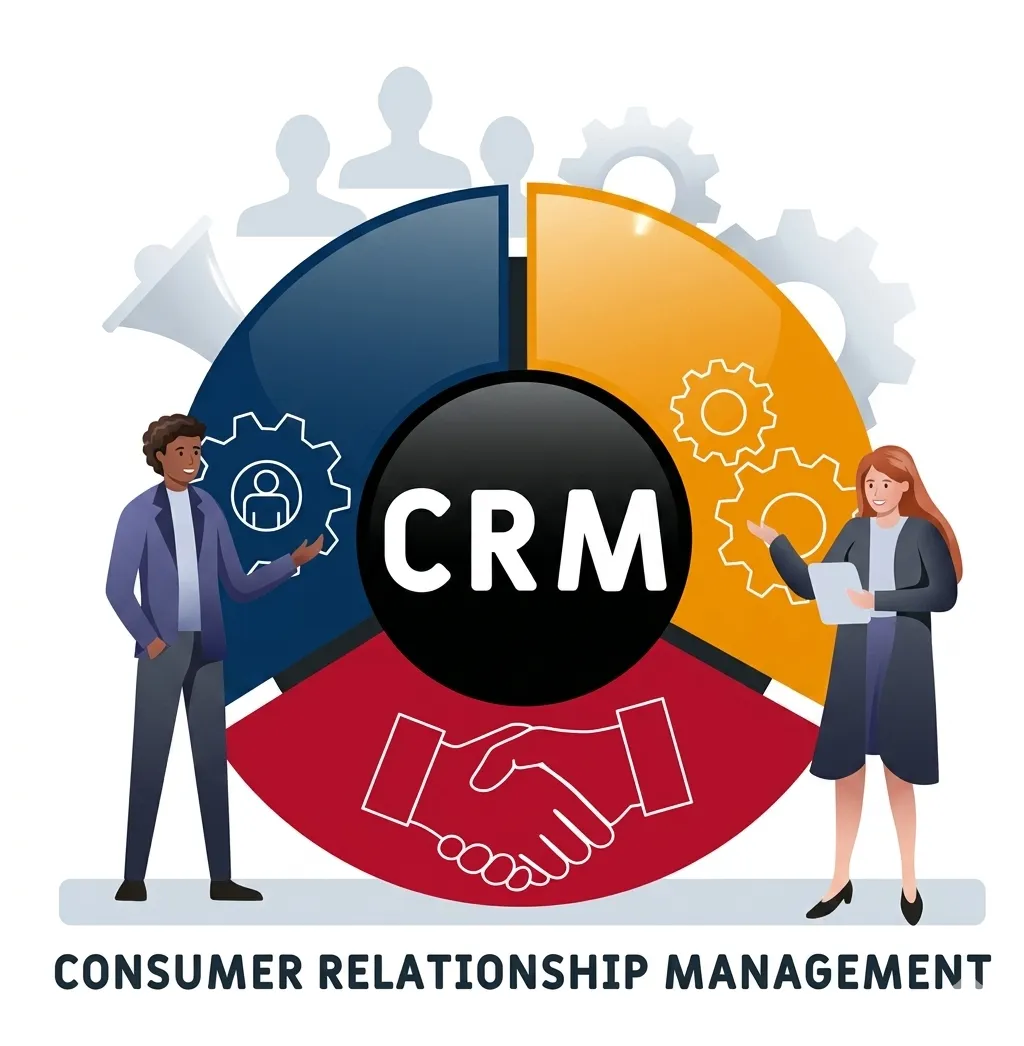

Running a small business often feels like managing ten things at once.
You’re talking to customers, following up on leads, closing deals, and trying to keep everything organized—all at the same time.
- At first, a spreadsheet seems enough.
A few rows, a few columns, and everything feels under control. But slowly, things start slipping. - A follow-up gets missed.
- A customer conversation is forgotten.
Two different versions of the same file start floating around.
And before you realize it, managing customers becomes more difficult than getting them.
The Real Problem Isn’t Leads
Most small businesses don’t struggle with getting leads.
They struggle with managing them.
Leads come in through calls, messages, referrals, and social platforms. Conversations happen everywhere. But there’s no single place where everything comes together.
That’s where the gap begins.
Enter CRM… But Not Always Smoothly
A CRM is supposed to fix this problem.
It promises structure, organization, and better tracking.
And it does—on paper.
But in reality, many small teams face a different issue:
the CRM starts feeling like extra work.
You have to:
- manually update every interaction
- keep pipelines accurate
- fill out multiple fields
- constantly maintain the system
Instead of helping, it sometimes becomes another task on the to-do list.
Why This Happens
The truth is, most CRM systems were not designed for how small teams actually work.
They expect structured inputs and fixed workflows.
But real work doesn’t look like that.
It looks like:
“Spoke to a client, will call back tomorrow.”
“Customer is interested but needs time.”
“Follow up next week.”
These are quick, unstructured thoughts—not neatly filled forms.
What Actually Works Better
Over time, many small businesses start realizing something important:
The simpler the system, the better it works.
What helps is not more features, but:
- fewer steps
- less manual work
- clear visibility of what needs to be done next
Instead of focusing on managing data, the focus shifts to managing conversations and follow-ups.
A Small Shift That Makes a Big Difference
The real value of a CRM comes when it supports how people naturally work.
Imagine a system where:
- notes automatically become structured data
- follow-ups are suggested or reminded
- conversations are easy to track without extra effort
That’s when a CRM stops feeling like a database
and starts feeling like an assistant.



























Sign in to leave a comment.