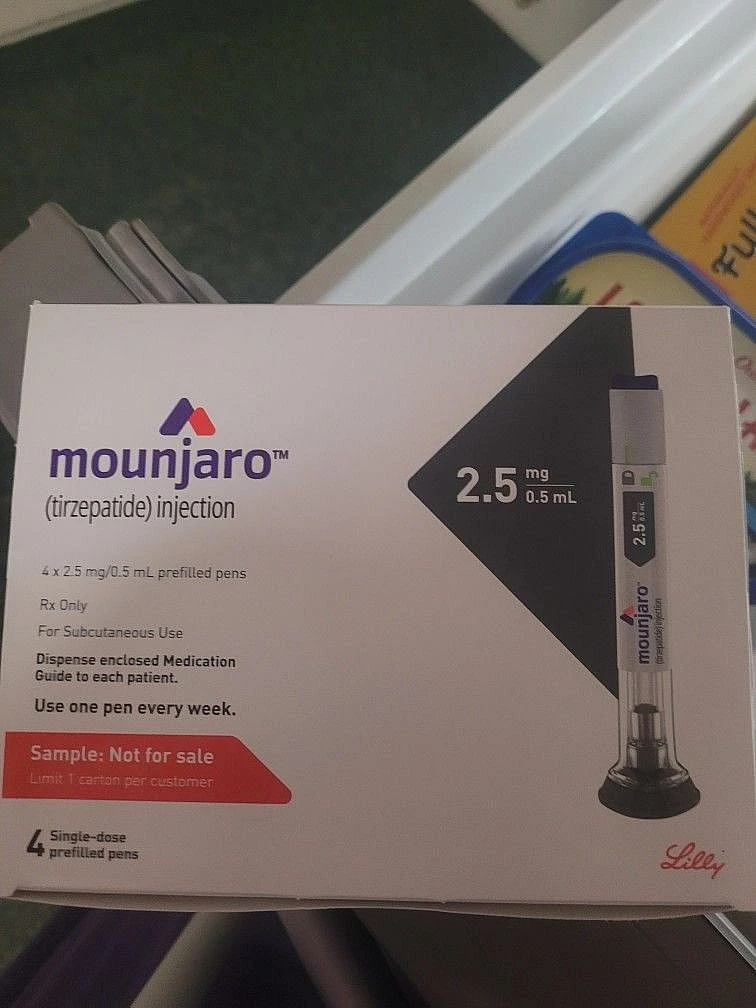
If you have been checking the price of Mounjaro (tirzepatide) recently, you might have felt a bit of sticker shock. You are not imagining it—the cost of this revolutionary medication has been climbing, leaving many patients wondering why a treatment that was already expensive is becoming even less affordable.
To understand the price hike, we have to look beyond the pharmacy counter and examine the complex intersection of manufacturing biology, viral demand, and healthcare economics. Experts agree that this isn't just about one factor; it is a "perfect storm" of market pressures.
For those looking for cost-effective access to treatment, options like DiscreetPeople strive to offer competitive pricing, but understanding the root cause of the increases can help you navigate the market. Here is the breakdown of why Mounjaro prices are rising.
1. Unprecedented Demand Outstripping Supply
The most obvious driver is simple economics: demand has exploded, and supply cannot keep up.
When Mounjaro was first approved, the manufacturer, Eli Lilly, forecasted demand based on the population of Type 2 diabetics. However, the medication's effectiveness for weight loss created a secondary, massive market of patients without diabetes.
- The "Viral" Effect: Social media buzz regarding "weight loss shots" drove a surge in off-label prescriptions.
- The Supply Lag: Biologic medications (injectables made from living cells) take months to manufacture. You cannot simply "turn up the dial" on a factory to produce more overnight. It takes years to build new facilities.
Because the demand is higher than the available stock, prices rise as distributors and pharmacies compete for the limited inventory they can get their hands on.
2. Manufacturing Complexity and "Fill-Finish" Bottlenecks
Unlike chemical pills (like aspirin), Mounjaro is a biologic. It is a large, complex molecule that must be grown in vats and then carefully filled into injection pens.
Experts point to the "fill-finish" capacity as a major bottleneck. There are only a limited number of facilities in the world certified to handle this delicate filling process.
- Quality Control: Maintaining sterility and precise dosage in millions of pens is a slow, rigorous process.
- Investment Costs: To increase supply, manufacturers are investing billions in new plants. These upfront costs are often recouped through pricing strategies.
3. The "List Price" vs. "Net Price" Dynamic
In the pharmaceutical industry, the "List Price" (the sticker price) is often inflated to allow for rebates to insurance companies and pharmacy benefit managers (PBMs).
- The Rebate Trap: Pharmaceutical companies often raise the list price so they can offer larger rebates to insurers. If they don't raise the list price, insurers might drop the drug from their formulary (covered list).
- Cash Pay Impact: While insured patients might not feel the list price hike immediately (due to copays), those paying out-of-pocket—such as customers buying online—feel the full brunt of these inflated list prices.
4. Shortages in the Secondary Market
When official supply chains are tight, the secondary market (wholesalers and online pharmacies) faces higher acquisition costs.
If a pharmacy usually buys a pen for $400, but due to shortages they have to source it from a secondary wholesaler for $500, they must pass that cost to the consumer to stay in business. This scarcity pricing trickles down to every level of the supply chain.
5. Regulatory and Global Pricing Pressure
While Mounjaro is cheaper in some countries with regulated healthcare systems (like parts of Europe), the US and UK private markets operate differently. Manufacturers often price their drugs higher in markets with less regulation to recoup research and development (R&D) costs. The price of tirzepatide reflects not just the cost to make it, but the billions spent on clinical trials that brought it to market.
What Does This Mean for You?
Understanding these factors doesn't lower the bill, but it does highlight the importance of finding a reliable supplier. Prices may stabilize as manufacturing capacity catches up with demand over the next few years, but for now, high prices are the new normal.
At DiscreetPeople, we work to navigate these complex markets to find the best possible prices for our customers. We cut out unnecessary markups and focus on efficiency to help make your weight loss journey as affordable as possible.
If you are ready to start treatment despite the market trends, you can buy Mounjaro online through our platform.
Frequently Asked Questions (FAQ)
Will the price of Mounjaro go down? Most experts predict that prices will remain high in the short term (1-2 years). However, as Eli Lilly ramps up new manufacturing facilities and eventually faces competition (possibly from generics in the distant future), prices may stabilize or decrease.
Is the price increase because the formula changed? No, the formula has not changed. You are paying the same price for the exact same medication; the increase is due to market demand, scarcity, and inflation in the healthcare sector.
Why is Mounjaro more expensive than Wegovy? Mounjaro is generally considered more potent because it targets two hormones (GLP-1 and GIP) versus just one (GLP-1) in Wegovy. Additionally, Wegovy has been on the market longer for weight loss, so its supply chain is slightly more mature than the newer, high-demand Mounjaro supply chain.
Does insurance cover the price increase? If you have insurance, your copay might not change immediately, but your insurer may require "prior authorization" or proof that you have tried other medications first. This is their way of controlling the high cost of the drug.
Are cheaper alternatives rising in price too? Yes. As people get priced out of Mounjaro, they are flooding to alternatives like Ozempic and Wegovy. This increased demand for alternatives is driving those prices up as well.




















Sign in to leave a comment.