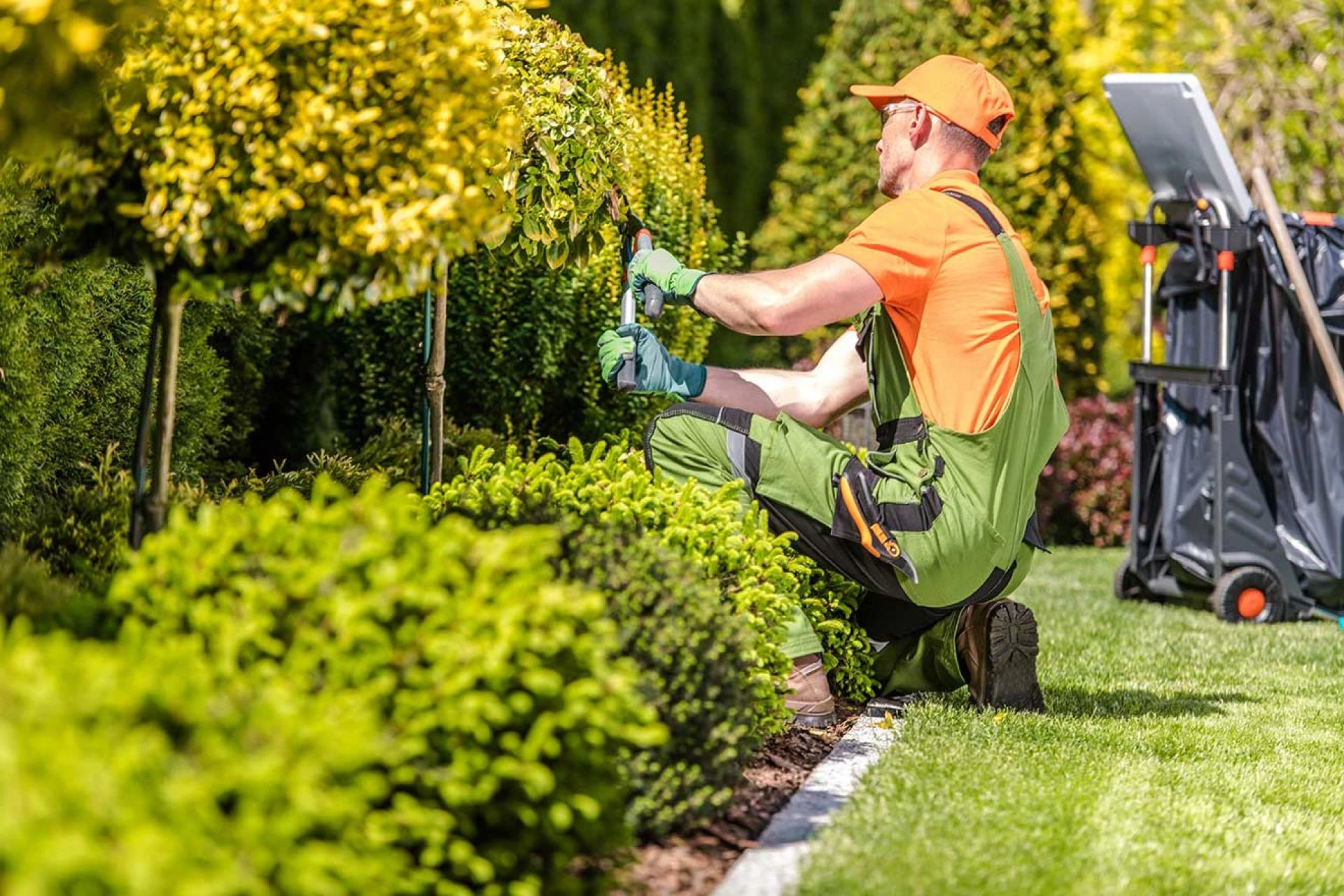

Creating a welcoming and professional exterior for office buildings is more than just a matter of appearances—it reflects a company’s values, sustainability efforts, and connection to the local environment. One of the most impactful ways to enhance this exterior is by incorporating native plants into your landscape design. These plants aren’t just beautiful; they’re ecologically beneficial, cost-effective, and well-adapted to local conditions.
Whether you're planning a new landscape design or updating an existing one, considering native flora can yield long-term benefits. Many businesses are turning to commercial landscaping services to help select and maintain the right mix of native plants that thrive in their regional climate. These experts understand the unique challenges and opportunities that native plants present, making them an invaluable asset in any office exterior design effort.
Key Points
- Native plants are adapted to local climates, requiring less water, fewer pesticides, and minimal maintenance.
- They support local ecosystems by providing food and habitat for birds, bees, and other pollinators.
- Native landscaping reduces long-term costs and contributes to sustainable business practices.
- Commercial properties benefit from enhanced aesthetics and increased curb appeal through thoughtfully designed native plant landscapes.
- Engaging commercial landscaping services ensures proper plant selection and ongoing care tailored to the business location.
What Are Native Plants?
Native plants are those that have evolved and adapted naturally to a specific geographic area over thousands of years. Unlike non-native or exotic species, native plants have formed symbiotic relationships with local wildlife and are well-suited to the soil, climate, and rainfall of the region.
Examples include prairie grasses and coneflowers in the Midwest, saguaro cactus in the Southwest, and ferns and rhododendrons in the Pacific Northwest. Choosing these plants for your office landscaping ensures harmony with the natural environment and reduces the need for artificial inputs.
Benefits of Using Native Plants for Office Exteriors
1. Low Maintenance and Cost-Efficiency
One of the most compelling reasons to choose native plants is their low maintenance requirements. Because they're acclimated to local rainfall and soil conditions, they typically need less watering, fertilizing, and pest control. This translates into lower maintenance costs and reduced resource usage over time.
2. Environmental Sustainability
Native plants play a critical role in environmental conservation. They reduce the need for chemical pesticides and fertilizers, which can leach into groundwater and harm local ecosystems. Additionally, their deep root systems improve soil health and reduce erosion.
By incorporating native plants, businesses contribute to sustainable landscaping practices that align with broader environmental goals and regulatory requirements for green building certifications such as LEED.
3. Support for Local Wildlife
Native plants create habitats for pollinators like bees, butterflies, and birds. These species are essential for maintaining local biodiversity and ensuring the reproduction of many flowering plants. A native garden outside your office can serve as a sanctuary, boosting local ecosystems and providing employees and visitors with a connection to nature.
4. Improved Aesthetics and Seasonal Appeal
Many native species offer stunning visual interest throughout the seasons—from vibrant spring blooms to colorful autumn foliage. Their natural beauty enhances curb appeal, making the property more inviting for clients, staff, and stakeholders.
By working with experienced commercial landscaping services, companies can design visually striking landscapes that change with the seasons while staying resilient and eco-friendly.
5. Enhanced Stormwater Management
Urban landscapes often struggle with stormwater runoff, which can lead to drainage issues and water pollution. Native plants, particularly those with deep root systems, help absorb excess rainwater, reducing runoff and filtering pollutants before they reach waterways.
Challenges and Considerations
1. Initial Design and Planning
Although native plants are easier to maintain in the long run, proper planning is essential. Site conditions, sun exposure, and soil types must be carefully evaluated before planting. Hiring professionals with local ecological knowledge ensures the right plant selection and placement.
2. Availability and Sourcing
Not all nurseries stock a wide selection of native plants, and some may offer cultivars that aren't truly native. It’s important to source plants from reputable nurseries that specialize in native species or consult with commercial landscapers who prioritize ecological integrity.
3. Transitioning from Traditional Landscapes
Replacing turf grass or exotic ornamental plants with native alternatives may take time and require phased implementation. However, this transition can be managed effectively with a strategic approach that balances aesthetics, ecosystem health, and employee preferences.
Design Tips for Incorporating Native Plants
1. Focus on Diversity
A diverse mix of grasses, shrubs, and flowering plants ensures year-round interest and supports a wider range of pollinators. Grouping plants by bloom time can create a dynamic landscape that evolves through the seasons.
2. Use Native Groundcovers
Replacing traditional lawns with native groundcovers like creeping phlox, wild strawberry, or Pennsylvania sedge reduces mowing needs and enhances habitat value.
3. Blend with Existing Structures
Native plants can be designed to complement architectural elements. Tall grasses can soften building edges, while low-growing shrubs can line walkways. Proper layout and plant selection help merge natural beauty with modern office aesthetics.
4. Educate and Involve Employees
Adding educational signage or involving employees in seasonal garden care can foster a sense of ownership and community. Native plant gardens become not just a landscape feature, but a living part of corporate culture.
Regionally Popular Native Plants
Northeast
- Black-Eyed Susan (Rudbeckia hirta)
- Eastern Red Columbine (Aquilegia canadensis)
- Switchgrass (Panicum virgatum)
Southeast
- Coral Honeysuckle (Lonicera sempervirens)
- Southern Magnolia (Magnolia grandiflora)
- Blue-Eyed Grass (Sisyrinchium angustifolium)
Midwest
- Prairie Dropseed (Sporobolus heterolepis)
- Wild Bergamot (Monarda fistulosa)
- Little Bluestem (Schizachyrium scoparium)
Southwest
- Desert Marigold (Baileya multiradiata)
- Agave (Agave spp.)
- Chuparosa (Justicia californica)
Pacific Northwest
- Oregon Grape (Mahonia aquifolium)
- Red Flowering Currant (Ribes sanguineum)
- Kinnikinnick (Arctostaphylos uva-ursi)
Frequently Asked Questions (FAQ)
What makes a plant ""native""?
A plant is considered native if it has evolved naturally in a specific region without human introduction. These plants have adapted to local climate, soil, and wildlife over thousands of years.
Are native plants more expensive to install?
Initial installation costs may vary, but native plants often lead to lower maintenance and water bills, offering long-term savings. The cost is also influenced by plant availability and the complexity of the landscape design.
Do native plants attract pests?
Native plants attract a balanced variety of insects, many of which are beneficial pollinators or natural predators of pests. They generally require fewer pesticides compared to exotic species.
Is it possible to mix native and non-native plants?
Yes, but caution is advised. Integrating non-invasive, non-native plants that coexist well with natives can work, but avoid aggressive species that could outcompete the local flora.
How can I get started with native landscaping for my office?
Begin by consulting with local experts or commercial landscaping services that specialize in native plant designs. They can help evaluate your site, recommend suitable species, and create a sustainable, visually appealing landscape plan.
Will native landscaping affect my office’s curb appeal?
Quite the opposite. When properly designed, native landscapes are attractive, colorful, and dynamic throughout the year. They can make your office stand out as a progressive and eco-conscious business.
Can native plants survive droughts or extreme weather?
In most cases, yes. Because they are adapted to local conditions, native species are far more resilient to environmental stressors like drought, flooding, and temperature extremes than non-native plants.



























Sign in to leave a comment.