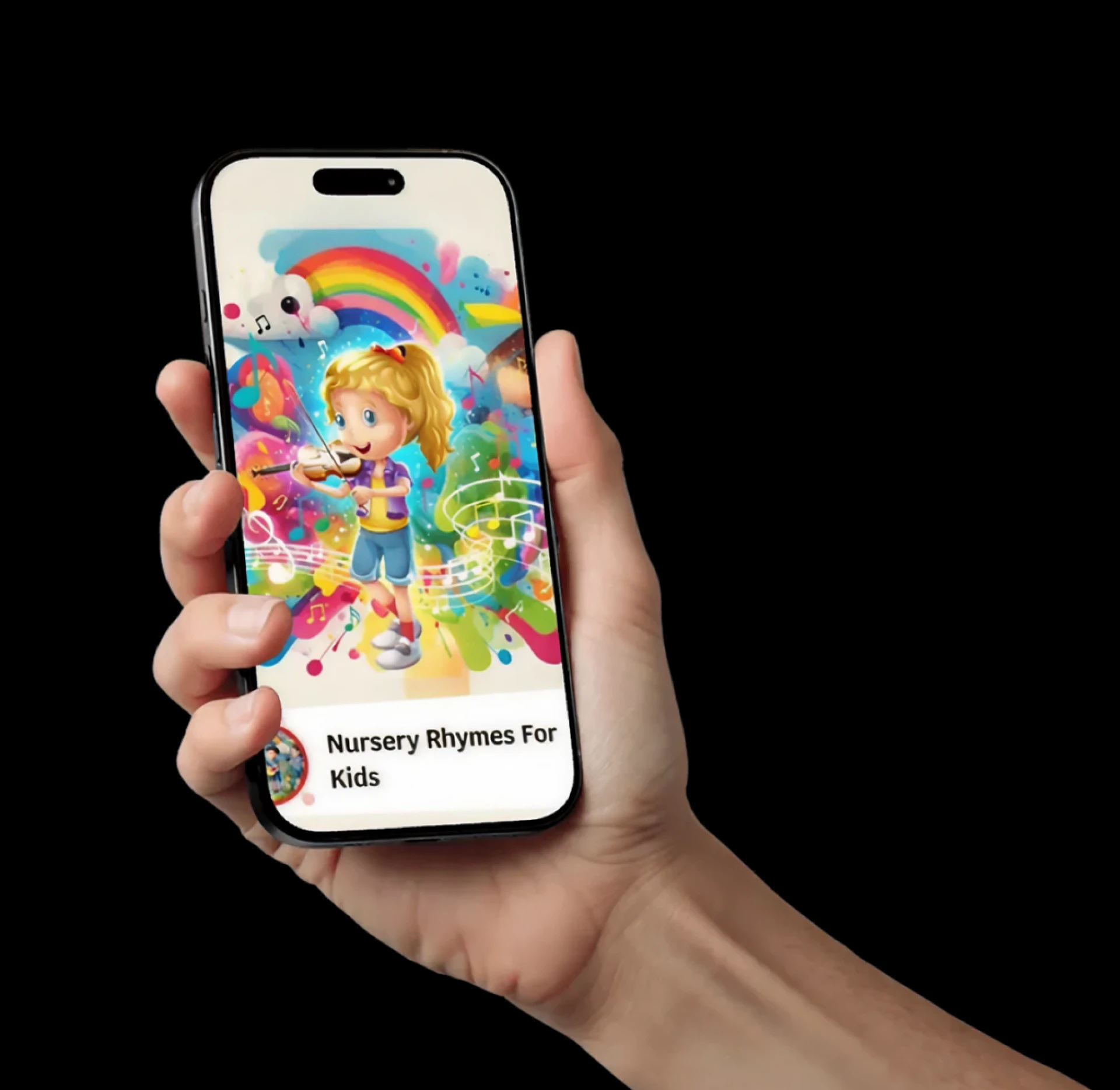

Early childhood is one of the most important stages of development. During these early years, children absorb information quickly and develop foundational cognitive, language, and social skills. One of the simplest yet most powerful learning tools for young children is Nursery Rhymes For Kids. These playful songs and rhythmic poems have been used for generations to help children learn language, improve memory, and stimulate creativity.
In today’s digital learning environment, nursery rhymes are no longer limited to traditional books or classroom recitations. Educational apps and interactive platforms now make learning more engaging and accessible for children everywhere.
The Importance of Nursery Rhymes in Early Childhood Learning
Nursery rhymes play a significant role in early childhood education. Their rhythmic patterns, repetitive words, and engaging melodies help children understand language structure and pronunciation.
According to a study by the National Literacy Trust, children who are familiar with nursery rhymes before starting school often demonstrate stronger reading and language skills. In fact, research suggests that early exposure to rhymes can improve phonemic awareness, which is a key factor in learning to read.
For example, a simple rhyme like “Twinkle Twinkle Little Star” helps children recognize sound patterns and word repetition. This may seem small, but these patterns train a child’s brain to recognize syllables, pronunciation, and vocabulary.
Because of these benefits, parents and educators increasingly rely on Nursery Rhymes For Kids as a foundational learning activity.
How Nursery Rhymes Improve Cognitive Development
Nursery rhymes are not just entertaining; they also contribute significantly to cognitive growth. When children listen to rhymes, they process rhythm, sound patterns, and storytelling simultaneously.
A real-life example can be seen in preschool classrooms. Teachers often notice that children who regularly participate in rhyme-based activities tend to develop better listening skills and memory retention.
Research from the University of Oxford also found that rhythmic language patterns help strengthen brain connections responsible for memory and comprehension.
When children repeatedly sing or listen to rhymes, they are unconsciously practicing:
- Memory recall
- Language recognition
- Listening skills
- Creative thinking
- Pattern recognition
These skills form the basis of lifelong learning.
Building Social and Emotional Skills Through Rhymes
Another advantage of nursery rhymes is their ability to build social interaction and emotional intelligence.
When children sing rhymes together in groups, they learn teamwork, coordination, and communication. Activities such as clapping games or role-play rhymes encourage participation and collaboration.
For instance, rhymes like “If You’re Happy and You Know It” encourage children to express emotions and interact with others. These simple activities help children develop confidence and social awareness at an early age.
This is why many educators recommend incorporating Nursery Rhymes For Kids into daily learning routines.
How Digital Learning Makes Nursery Rhymes More Engaging
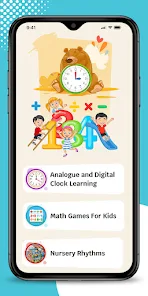
Technology has transformed the way children learn today. Interactive learning apps now combine animation, sound effects, and colorful visuals to make rhymes more exciting.
Instead of passively listening, children can now interact with characters, tap objects, and participate in learning activities. This interactive approach significantly improves engagement and retention.
According to a report by Common Sense Media, over 60% of children aged 3–8 regularly use educational apps to support learning. When designed properly, these apps can turn traditional rhymes into immersive educational experiences.
Edugamingappworld: Making Learning Joyful and Inclusive
In the growing world of digital learning, Edugamingappworld is dedicated to creating innovative educational experiences for children.
The company focuses on developing next-generation learning apps that combine education with fun and creativity. Their mission is to build an inclusive ecosystem of joyful learning for every child through advanced educational apps.
These apps are designed to:
- Develop cognitive abilities
- Increase creativity
- Build imagination
- Improve decision-making skills
- Encourage teamwork and collaboration
By integrating Nursery Rhymes For Kids into interactive digital platforms, Edugamingappworld ensures that children not only learn but also enjoy the learning process.
Parents often struggle to find educational content that is both safe and engaging. Edugamingappworld addresses this challenge by providing structured learning environments where children can explore rhymes, games, and activities that support holistic development.
Choosing Edugamingappworld means choosing a platform that values joyful, inclusive learning while helping children grow intellectually and creatively.
Real-Life Impact of Nursery Rhymes in Learning
Many parents report noticeable improvements in their child’s learning behavior after introducing rhyme-based activities.
For example, a mother of a four-year-old noticed that her child began recognizing alphabet sounds faster after regularly listening to rhymes through educational apps. The repetitive patterns helped the child associate sounds with letters more effectively.
Educational psychologists often recommend starting rhyme-based learning before the age of five because the brain is highly receptive during this stage.
When supported by engaging digital tools, the benefits become even greater.
Why Parents Should Encourage Nursery Rhymes
Nursery rhymes are more than simple songs. They are powerful educational tools that help children develop language, memory, creativity, and social skills.
Whether used in classrooms, homes, or interactive apps, Nursery Rhymes For Kids continue to be one of the most effective methods of early childhood education.
When combined with modern technology and thoughtfully designed educational platforms like Edugamingappworld, nursery rhymes can transform learning into an exciting journey for every child.
Parents who prioritize early learning experiences often notice improved communication skills, better focus, and increased curiosity in their children.
And in the end, that curiosity becomes the foundation for lifelong learning.





























Sign in to leave a comment.