

In 2025, the retail sector will be more data-driven than ever before. Every second, businesses generate vast amounts of data, including from eCommerce platforms, mobile applications, in-store POS systems, and consumer loyalty programs. However, making sense of that data and translating it into real business outcomes is difficult.
For the majority of retail firms, the difficulty is not gathering data. It transforms data into meaningful insights that improve customer satisfaction, operational efficiency, and competitiveness. While some large retailers have the resources and bandwidth to establish in-house analytics teams, the majority do not. That is why an increasing number of retailers, both mid-sized and large, are outsourcing data analytics activities. In today's fast-paced environment, outsourcing is more than simply a cost-cutting strategy. This is a strategic move.
The Evolving Retail Landscape in 2025
Retail in 2025 looks very different from what it did just a few years ago. Customers want highly tailored experiences across various touchpoints, including online retailers, mobile applications, social platforms, and physical locations. Brands are expected to adjust rapidly, provide real-time pricing, and anticipate client requirements before they exist.
AI-powered tools, predictive analytics, and real-time dashboards have evolved from "nice to have" to "essential." Retailers must monitor changing demand trends, adjust inventory, and match marketing expenditure to real-time customer behavior.
However, the complexities of maintaining this ecosystem, particularly in a post-pandemic environment with disrupted supply chains, have rendered data a double-edged sword. Retailers sit on goldmines of consumer and operational data, but many lack the in-house competence to extract value from it quickly and efficiently.
Common Data Challenges Retailers Face
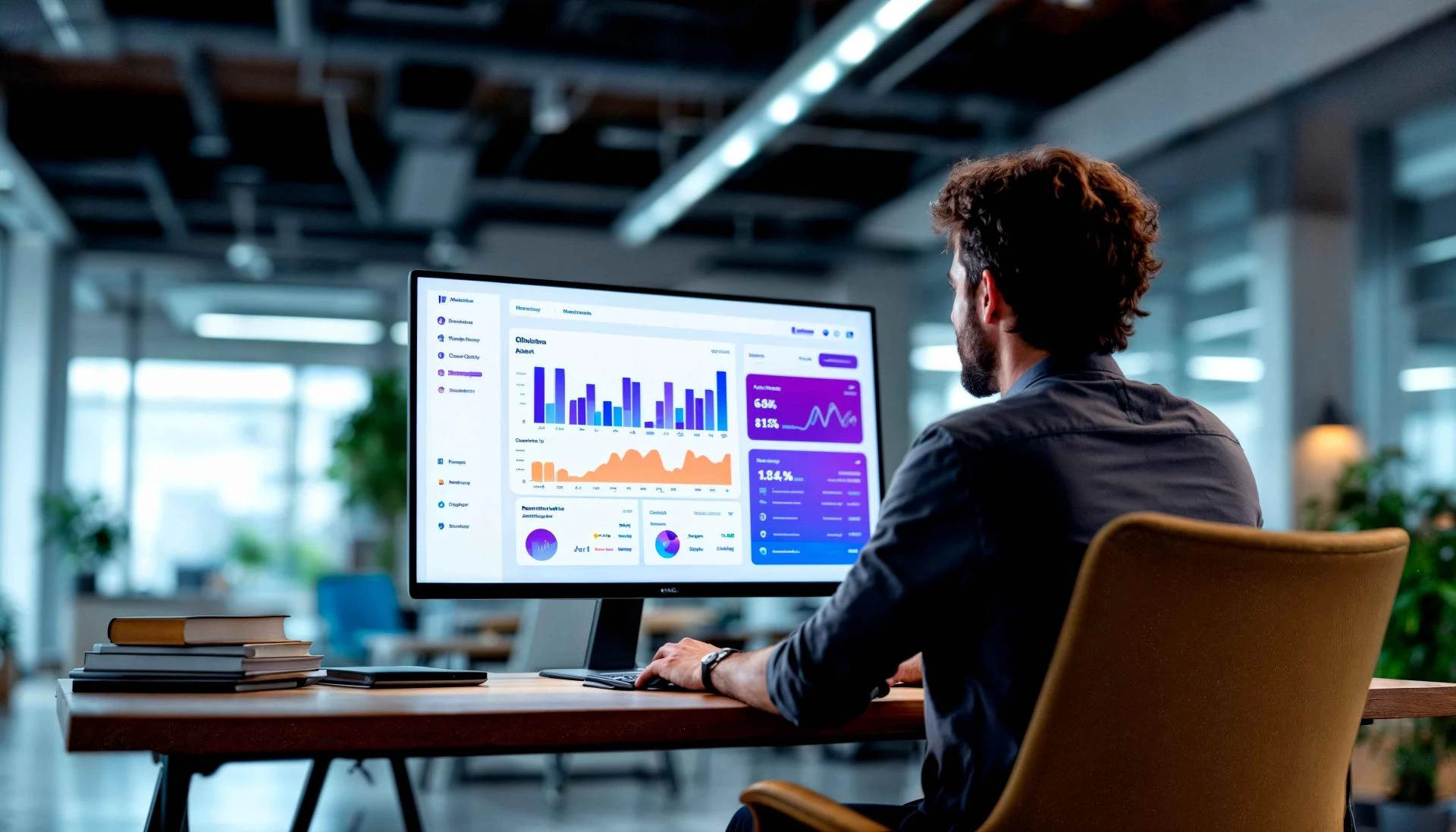
When attempting to adopt an effective analytics strategy internally, retailers encounter a number of challenges.
1. Fragmented Data Ecosystems
Customers, inventory, sales, and marketing data are frequently stored in silos—POS systems, CRMs, ERP platforms, website analytics tools, loyalty apps—making it difficult to obtain a comprehensive view of operations or consumer behavior.
2. Lack of Analytics Talent
Hiring and keeping talented data scientists, engineers, and business analysts is both expensive and competitive. Building a fully staffed internal analytics team is unrealistic for the majority of midsize merchants.
3. Slow Time to Insight
Internal IT staff are sometimes overloaded. Setting up data pipelines, preparing reports, and developing machine learning models can take months, slowing down decision-making in a fast-paced retail environment.
4. Compliance and Privacy Concerns
With requirements such as GDPR and CCPA, merchants must guarantee that their data processing procedures are secure, ethical, and compliant. This adds a new degree of complexity to internal analytics.
Key Advantages of Outsourcing Data Analytics
Outsourcing data analytics provides a scalable, cost-effective, and speedier path to insights, particularly for retailers looking to remain agile and competitive. Here's how.
a. Access to Specialized Expertise
Outsourcing provides businesses with rapid access to a varied team of professionals, including data scientists, artificial intelligence specialists, statisticians, and retail domain consultants. These individuals provide knowledge from various customer projects, allowing for speedier experimentation and improved modeling methodologies without a learning curve.
You're not only purchasing hours; you're also getting proven approaches, cutting-edge tools, and extensive retail experience.
b. Scalability and Flexibility
Retail is intrinsically seasonal. From holiday surges to new product launches, analytics requirements change month to month. Outsourcing allows you to scale up or down depending on demand, eliminating the fixed costs of full-time workers and infrastructure investment.
Do you need a customer churn model this month and a dynamic pricing simulator next month? Outsourcing partners can adjust swiftly and without losing a beat.
c. Cost Efficiency
Starting an in-house data team incurs initial expenditures like as wages, training, tools, cloud infrastructure, and compliance procedures. Outsourcing converts fixed expenses into variable costs. You simply pay for what you use, whether it's a monthly dashboarding subscription or a single predictive modeling assignment.
This flexibility allows you to experiment with new ideas without breaking the bank.
d. Faster Time to Insight
Outsourced teams frequently provide pre-built templates, connections, and analytics libraries for retail data. This significantly decreases the time required to get from data input to actionable insights.
For example, instead of spending three months developing a demand forecasting model, you may deploy a tested model in weeks, allowing you to respond to changes in near real time.
Use Cases: Retailers Succeed with Outsourced Analytics
Let's see how real-world merchants benefit from outsourcing analytics:
Fashion Retailer: Dynamic Pricing Success
A mid-sized fashion business in Europe collaborated with an analytics firm to develop AI-powered dynamic pricing algorithms. What was the result? Prices were modified in real time to reflect inventory levels, competition pricing, and demand trends, resulting in an 18% increase in gross margins in six months.
Grocery Chain: Waste Reduction
A regional supermarket chain outsourced demand forecasting to better manage fresh vegetables. They decreased overstocking and spoiling by 27% through the use of sophisticated time-series forecasting models, resulting in improved shelf availability.
D2C Skincare Brand: Personalization at Scale
A rapidly growing direct-to-consumer skincare firm battled with generic email advertising. They developed hyper-personalized advertising based on age, skin type, and buying history after outsourcing customer segmentation and lifetime value modeling, resulting in a 2X increase in click-through rates and higher repeat sales.
How to Select the Right Analytics Partner
Not all outsourcing partners are created equally. Here are important aspects to consider before signing a contract:
Industry Expertise: Choose businesses with demonstrated experience in retail, CPG, or eCommerce analytics. They will have a deeper understanding of your data issues and business objectives.
End-to-End Capability: Look for a partner who can handle data intake, cleansing, modeling, visualization, and compliance—you won't have to manage several providers.
Data Security & Compliance: Ensure that they are GDPR, ISO, or SOC 2 certified and can safely handle sensitive customer or transaction data.
Customizable Engagement Models: Flexibility is essential; choose organizations that provide project-based, subscription, or outcome-based pricing, depending on your requirements.
Cultural and Communication Fit: Establish explicit SLAs, transparency, and consistent working hours, especially if the team is based abroad.
Future Outlook: What Retailers Gain Beyond 2025
Retailers who begin outsourcing data analytics in 2025 will be set up for long-term success. Beyond reporting, they may create continuous intelligence pipelines in which insights emerge dynamically as new data arrives.
They will transition from reactive decisions ("What happened last quarter?") to proactive and predictive plans ("What's likely to happen next week, and how can we optimize for it?").
With AI becoming increasingly important in customer experience, marketing optimization, and supply chain forecasting, merchants who engage in analytics partnerships now will be better prepared for the next wave of retail innovation.
Conclusion: Make a Smart Move
Outsourcing data analytics is no longer a reactive tactic, but rather a proactive development strategy. It enables retailers to gain real-time insights, grow quicker, improve operations, and provide excellent consumer experiences without being hampered by technological complexity.
In 2025, the retail leaders will not necessarily be the largest; rather, they will be the ones who use data most effectively.

























Sign in to leave a comment.