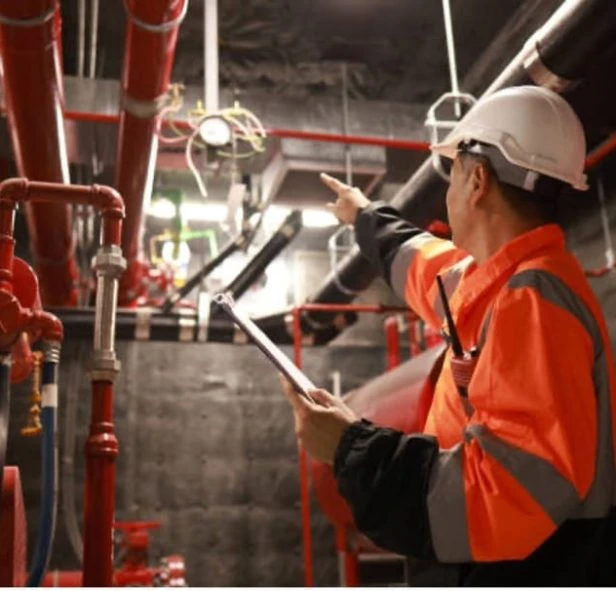

Fire safety is a critical requirement for every building, whether residential, commercial, or industrial. With increasing awareness about fire risks and stricter regulations, the demand for passive fire protection in the UK has grown significantly. Passive fire protection plays a vital role in slowing the spread of fire, protecting structural integrity, safeguarding occupants, and ensuring buildings meet legal standards.
What Is Passive Fire Protection?
Passive fire protection refers to a range of built-in systems designed to contain fire, heat, and smoke at the point of origin. Unlike active systems such as alarms or sprinklers, passive solutions work silently in the background, providing long-term fire resistance without needing activation.
These systems include fire-resistant walls, ceilings, floors, fire doors, intumescent coatings, fire-stopping materials, and compartmentation. Together, they create barriers that prevent fire from spreading, giving people more time to evacuate safely and emergency services more time to respond.
Importance of Passive Fire Protection in the UK
The UK has some of the most comprehensive fire safety regulations in the world. Following high-profile incidents and updates to building safety laws, ensuring proper passive fire protection has become more crucial than ever.
Proper passive fire protection in the UK ensures:
- Compliance with UK building regulations
- Improved safety for occupants and property
- Reduced fire damage and repair costs
- Controlled spread of smoke and flames
- Increased escape time during emergencies
For businesses, compliance isn’t just a requirement—it is a responsibility. Non-compliance can lead to severe penalties, legal consequences, and significant risks to human life. That is why professionally installed passive fire solutions are essential.
How Passive Fire Protection Works
The main goal of passive fire protection is to compartmentalise a building. By creating fire-resistant sections, the spread of fire is slowed, and critical structures remain intact longer.
Key systems include:
- Fire Doors: Designed to withstand heat and smoke while allowing safe evacuation.
- Fire-Stopping Solutions: Seal gaps, joints, and openings around pipes, cables, and ducts.
- Intumescent Coatings: Expand when exposed to heat, protecting steel structures from collapse.
- Compartmentation: Divides buildings into safe zones to limit fire movement.
- Fire-Resistant Boards & Barriers: Provide additional protection for walls, ceilings, and floors.
A professional installation ensures all these systems work together seamlessly.
Why Choose Professional Passive Fire Protection Services?
Every building is different, and fire risks vary depending on structure, design, and usage. A trusted provider of passive fire protection in the UK conducts detailed surveys, identifies fire risks, recommends suitable systems, and ensures they are installed to meet strict British Standards.
Professional services offer:
- Certified materials and approved systems
- Skilled technicians with industry expertise
- Detailed inspections and compliance reporting
- Long-term reliability and safety
- Maintenance and upgrade support
Ensuring Safety for the Future
Passive fire protection is an investment in life safety and long-term building integrity. With the right systems in place, property owners gain peace of mind knowing their buildings meet safety regulations and offer maximum protection during emergencies.










Sign in to leave a comment.