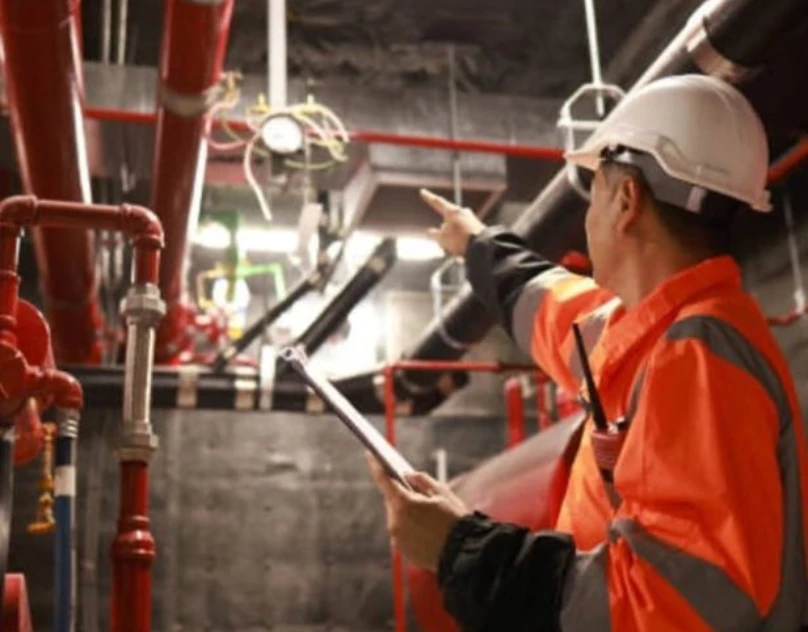

Fire safety is a crucial part of any building’s design, construction, and long-term maintenance. As safety standards continue to evolve, the demand for reliable passive fire protection UK solutions has grown rapidly. Passive fire protection focuses on containing fire at its source, slowing its spread, and protecting both people and property. It is one of the most effective ways to ensure buildings meet legal requirements while offering maximum safety to occupants.
What Is Passive Fire Protection?
Passive fire protection refers to all the built-in features of a structure designed to prevent the spread of fire and smoke. Unlike active systems—such as sprinklers and fire alarms—passive systems work automatically without the need for activation. They are incorporated into the building’s materials, components, and structural design.
Common elements of passive fire protection include fire-rated walls, floors, ceilings, fire doors, fire-stopping materials, compartmentation systems, intumescent coatings, and fire-resistant ductwork. These components work together to slow the fire, contain heat, and reduce smoke movement, giving people more time to escape and allowing emergency responders to act efficiently.
The Importance of Passive Fire Protection in the UK
Fire safety regulations in the UK are among the strictest in the world. Every building, whether commercial, residential, industrial, or public, must comply with national guidelines and safety standards. This is where passive fire protection UK solutions become essential. They help ensure compliance with British Standards and building regulations, offering long-term safety and structural reliability.
Properly installed passive fire systems help:
- Contain fire within a specific area
- Protect structural elements from heat damage
- Reduce smoke spread, improving visibility
- Prevent early collapse of a building
- Protect escape routes for occupants
- Minimise property damage and financial loss
These benefits highlight why passive fire protection is not just a legal requirement but a critical investment in safety.
Industries That Rely on Passive Fire Protection
Various sectors across the UK depend heavily on passive fire protection. Commercial buildings, warehouses, hospitals, educational institutions, retail spaces, and residential complexes all require strong fire-stopping and compartmentation systems. Industrial sites, in particular, benefit from intumescent coatings and fireproof insulation to protect steel structures and machinery.
Each environment has unique risks, and a professional fire protection provider offers tailored solutions to meet specific needs.
Why Professional Installation Matters
Proper installation of passive fire systems is essential for their effectiveness. Even the highest-quality materials fail if they aren’t fitted correctly. Working with trained, certified professionals ensures that all fire protection elements meet required standards and perform during an emergency.
Experts in passive fire protection UK conduct detailed surveys, identify risks, and install systems that align with the building’s design and regulatory requirements. They also provide maintenance and inspections to ensure long-term performance.
Ensuring Safety and Peace of Mind
Investing in passive fire protection is one of the best decisions building owners and developers can make. It not only safeguards lives but also protects valuable assets, reduces liability, and ensures legal compliance. As awareness grows, more organisations across the UK are adopting stronger fire protection strategies to secure their buildings for the future.

Sign in to leave a comment.