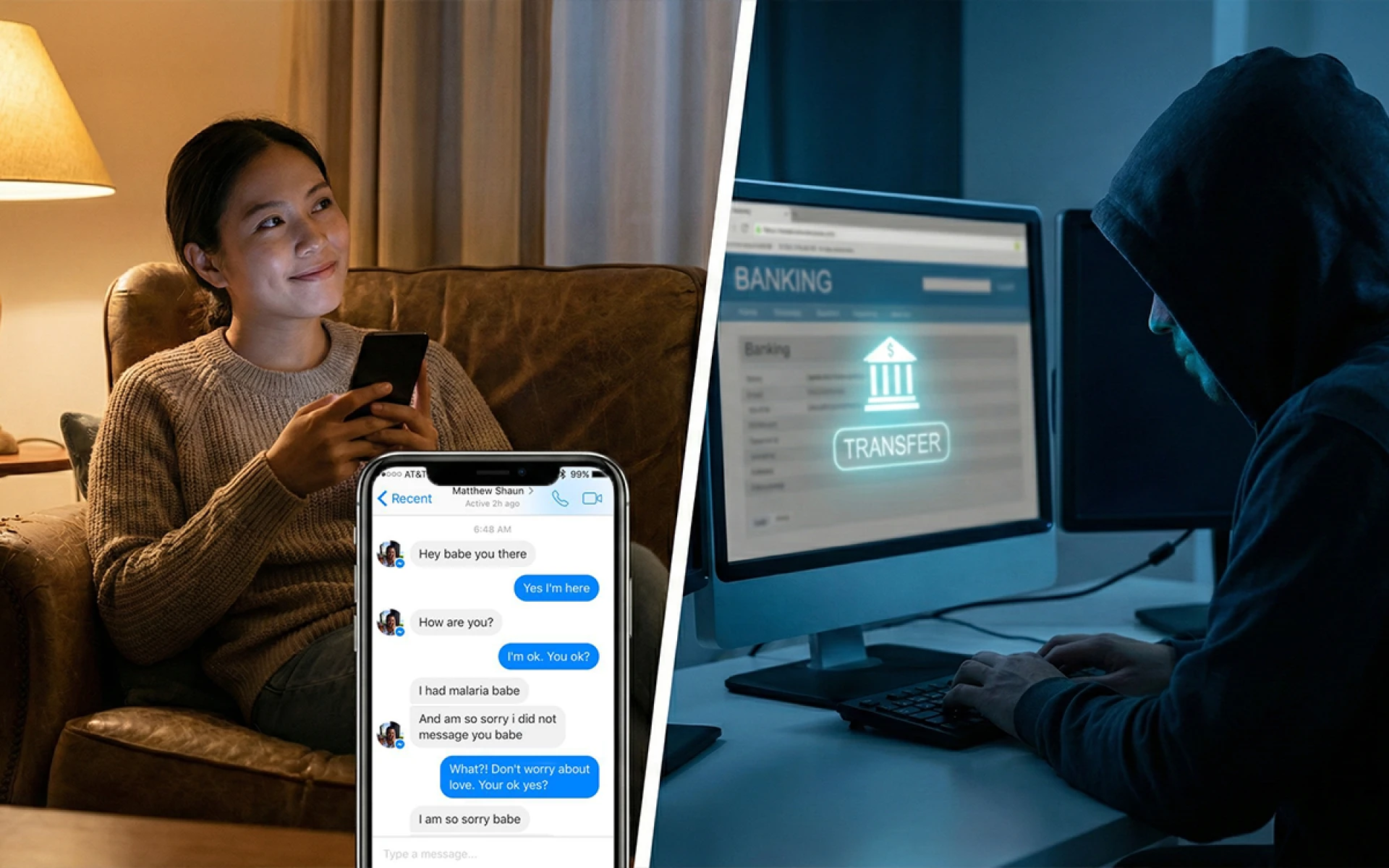

In this digital world, a great number of individuals resort to online dating programs or social networking platforms, or chat rooms in the hope of getting companionship and love. The path may not be smooth to every person seeking companionship, and indeed, some may fall into the trap of romance scams. People with these types of plans create romantic relationships to build up someone’s trust, so they can then take advantage of that trust and steal or gain financially. By learning how these scams work, people can protect themselves from large amounts of emotional and financial pain by putting safety mechanisms in place.
The psychology behind romance scams
Connection is a fundamental human need that is the main core of a lot of romance scams. Among the largest risk factors are loneliness or isolation. Fraudsters usually target individuals who are widowed/divorced, living alone, or in the process of making a challenging transition like retiring or losing a loved one.
When a person is given sincere-looking attention and love, particularly at a time of need, they might develop the need to be connected to the extent that they allow past judgments to fade. This instinctual desire can be stronger than logic and often complicates romance scam recovery for victims.
How Fraudsters gain credibility and emotional involvement
Romance fraudsters are never in a rush. They spend hours or even months communicating frequently by sending messages, calling on a daily basis, or even having a video chat so as to have a realistic feeling of intimacy.
One such approach is love bombing, in which the fraudster floods the victim with admiration, professions of love, future intentions and passion. The flow of attention may activate the bonding chemicals of the brain and make the relationship seem real and convincing.
When an individual is emotionally involved, it is possible that they start to overlook the red flags or explain suspicious actions by logic. Cognitive dissonance complicates the process of acknowledging contradictions among victims since it would require them to face the ugly reality of betrayal and loss.
The False Sense of Authenticity
Flattery is not all that scammers do. They create specific and believable personalities based on stolen images, fabricated pasts, and false online identities. They can also come up with occupations overseas or invent some fake emergencies to say they cannot meet in person.
In addition, fraudsters tend to promote confidentiality. They may say that the job or the culture of a person demands privacy or request the victim not to disclose the information to friends and family, to avoid outside influence.
The Financial Exploitation
After building emotional trust, criminals will then eventually bring about a crisis that will need financial assistance. This might be a fabricated medical emergency, court case, travel expenses or even a business investment opportunity.
Since the victims usually have a lot of sympathy and wish to assist, they might send money, open bank accounts, purchase gift cards, or transfer cryptocurrency at the request of the scammer. Regrettably, such transactions become irreversible after they have been sent. It is reported that tens of thousands of people fall victim to it every year, and their losses amount to hundreds of millions of dollars.
How Smart or Careful people can be fooled
The most frequent myth is that it only happens among gullible or naive people, but that is not the case. Fraudsters depend on emotions, rather than stupidity. Even highly learned, emotionally sensitive individuals are susceptible when they are alone, are suffering or are emotionally missing the presence of connection.
It can give the scammer a strong feeling of empathy and mutual understanding when the scammer reflects the values, interests and vulnerabilities of the victim. Emotional attachment over time, combined with that mirror effect, can break down scepticism completely. The gradual accumulation of love and the careful presentation of emergencies are similar to real-life relationships, and it is difficult to believe that something is wrong.
How to Avoid Romance Scams
Although romance scams can be complex, there are steps that can be taken in order to protect yourself or to save someone you love:
- Go slow. Always be careful not to get into passionate relationships too quickly. True relationships are time-consuming.
- Be curious, take time to know the individual, and do not be too quick to declare love or future intentions.
- Cross-check profile details. Use reverse image search to find out whether profile pictures are used in other places.
- Confirm that they are consistent in their story and look at other traces of them on the internet, like social media or common contacts.
- Maintain communication on credible platforms. When they attempt to transfer the conversation out of a dating app or site into messaging apps or email, that is a warning. Developing good online fraud awareness can help you notice subtle signs of deceit early.
- Always remember not to send money to a person whom you have never met personally. Never use gift cards, wire transfers, cryptocurrency or the request to open bank accounts on behalf of another person.
- Inform friends or family. Share with those you can trust and seek their opinion in case things begin to get intense or unrealistic. Isolation is one of the tactics that scammers employ.
- Report suspicious behaviour. In case of any suspicion of fraud, cease communication. Notify the dating site or social media site about the profile or user, and think about approaching the authorities with a complaint.
Conclusion
Romance scams not only damage a person’s financial condition but also their emotional state. They use trust, affection, and psychological manipulation as their means to exploit the need to love, be validated, and connected. Anyone can be a victim of it, irrespective of their maturity and intelligence level.
The key to protecting yourself is consciousness, scepticism, and tolerance. Recognise the red flags. Take time. Keep loved ones involved. Real relationships do not demand rush, secrecy, and unexpected financial requests. Knowing the way scammers work, and relying on our heart and judgment, we could protect not only our money but our hearts as well.

















Sign in to leave a comment.