
Total knee replacement surgery is a transformative procedure for those living with chronic knee pain and mobility limitations. While much focus is placed on the surgery itself, posture is an often-overlooked factor that plays a vital role in both preparation and recovery. Whether it’s standing, sitting, or walking, maintaining good posture can significantly affect outcomes and long-term joint health.
1. Poor Posture Can Stress the Knee Joint Even Before Surgery
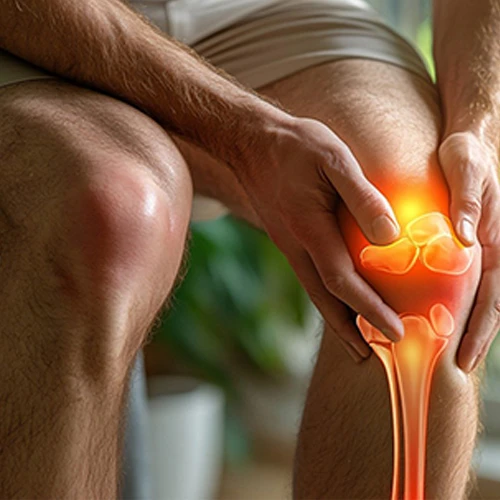
Slouching or misalignment shifts body weight unevenly across the knees.
This added strain can worsen joint wear and tear, accelerating the need for total knee replacement surgery.
Correcting posture early may help delay surgery and ease existing discomfort.
2. Good Posture Enhances Surgical Readiness
A balanced, aligned body supports better physical conditioning.
It ensures muscles, ligaments, and tendons are strong and flexible before surgery.
This preparation allows for smoother surgery and a more efficient recovery period.
3. Posture Supports Optimal Healing After Surgery
After total knee replacement surgery, proper posture prevents stress on the healing joint.
It ensures even weight distribution, reducing inflammation and discomfort.
Patients with good postural habits often report less pain and faster mobility gains.
Posture Before Surgery: A Foundation for Success
The journey to recovery begins even before stepping into the operating theatre.
Preparing the body through mindful posture can ease surgery and lead to better rehabilitation.
Here’s how posture impacts pre-surgical outcomes:
- Reduces muscle imbalances that strain the knees
- Improves breathing and circulation for better surgical tolerance
- Supports spinal and pelvic alignment, reducing joint pressure
- Helps maintain joint range of motion and flexibility
When posture is poor, adjacent joints like the hips and ankles compensate, leading to discomfort and reduced stability.
Patients awaiting surgery should be guided on safe posture techniques for sitting, sleeping, and walking.
Physical therapy or posture training may also be recommended as part of pre-surgical planning.
Posture After Surgery: Key to Long-Term Joint Health
Total knee replacement surgery restores structure, but daily habits shape how well the new joint functions.
Posture becomes even more essential after surgery to avoid complications.
In the early stages of recovery, patients should practice mindful movement to avoid overloading the joint.
- Standing: Keep the spine straight, knees aligned, and weight evenly on both legs.
- Sitting: Use a firm chair with back support, and keep feet flat on the floor.
- Walking: Use prescribed aids like walkers or crutches to maintain balance and alignment.
- Sleeping: Lie on the back or non-operated side with a pillow between the knees for support.
A strong postural foundation promotes a safe healing environment and long-term success of the joint implant.
As strength and flexibility improve, so does the ability to return to everyday activities without pain.
Staying aware of posture during rehabilitation enhances both confidence and physical outcomes.
Additional Benefits of Maintaining Good Posture
Good posture doesn’t just support the knees—it benefits overall health.
Patients recovering from total knee replacement surgery often experience multiple improvements with posture training:
- Decreased lower back and hip pain
- Improved circulation and oxygen flow
- Boosted energy levels and reduced fatigue
- Enhanced confidence in movement
- Better alignment in the spine, hips, and ankles
These improvements not only aid in recovery but also encourage lifelong habits for bone and joint wellness.
In many cases, patients become more aware of their body’s movements and adopt healthier postures naturally.
When posture becomes part of daily life, the benefits extend well beyond the surgical outcome.
The Role of Rehabilitation in Posture Correction
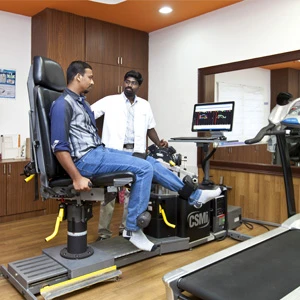
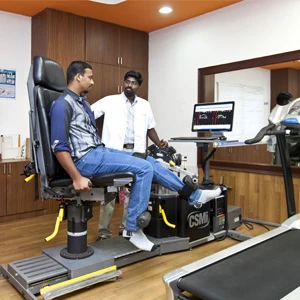
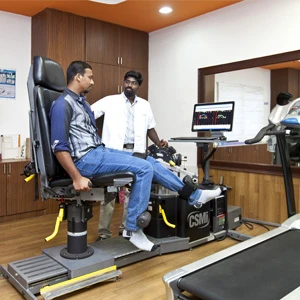
Rehabilitation is essential to the success of total knee replacement surgery.
Trained physiotherapists often incorporate posture correction into individualized recovery plans.
Exercises focus on strengthening the core, gluteal muscles, and lower back for support.
- Core activation exercises to improve spinal stability
- Gentle stretching for hamstrings, calves, and hip flexors
- Balance training to prevent falls and promote upright movement
- Functional training to teach correct form during daily activities
As the muscles around the knee grow stronger, they help maintain proper alignment naturally.
Patients are encouraged to practice new movement patterns until they become automatic.
This retraining reduces the risk of injury and enhances the performance of the replaced joint.
Small Habits That Make a Big Difference
Posture is not just about how you stand—it’s a whole-body awareness.
Even small adjustments can make a significant difference in comfort and mobility.
These practical tips can help anyone recovering from total knee replacement surgery:
- Set reminders to check your posture throughout the day
- Avoid crossing your legs while sitting
- Use supportive shoes that keep your body aligned
- Adjust screen height and chair positioning to avoid slouching
- Incorporate posture-friendly exercises like gentle yoga or tai chi
Consistency is key.
The more often correct posture is practiced, the easier it becomes to sustain.
Simple daily changes can lead to long-term improvements in joint health and overall function.
Conclusion
Posture plays a quiet but powerful role in the success of total knee replacement surgery.
It affects joint pressure, muscle balance, recovery speed, and even emotional confidence.
From preparation to long-term rehabilitation, focusing on posture can make a lasting impact.
For those seeking expert orthopedic care, Soundarapandian Bone and Joint Hospital in Chennai offers comprehensive support.
With advanced facilities, experienced surgeons, and personalized rehabilitation programs, it remains a trusted center for total knee replacement surgery.
Patients receive compassionate care that prioritizes not just surgical precision, but also the long-term well-being of every joint and every step forward.


























Sign in to leave a comment.