
Introduction
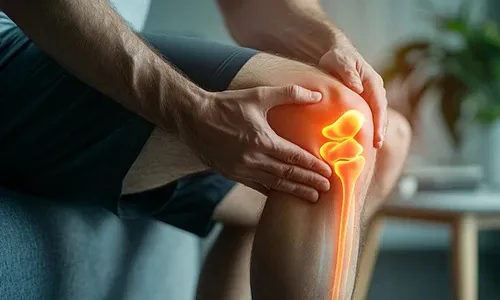
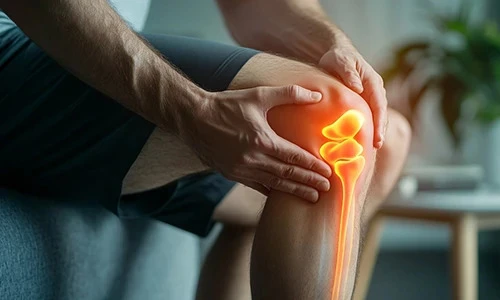
When someone we love is recovering from an orthopedic injury, fracture, or surgery, home can feel like the most comfortable place to heal. At the same time, families often wonder whether they are doing enough to support a safe recovery. This is where Orthopedic Home Care Services can provide valuable support when guided by qualified medical professionals.
From my experience helping family members through recovery, I have learned that healing does not simply stop when a patient leaves the hospital. Pain, stiffness, reduced mobility, difficulty walking, and uncertainty about exercises can continue for weeks. Having appropriate specialist supervision can make the recovery process more organized and reassuring.
Why Specialist Supervision Matters During Home Recovery
Orthopedic recovery can be different for every person. Someone recovering from knee replacement may have different rehabilitation needs from a person recovering from a fracture, ligament injury, or spine-related procedure.
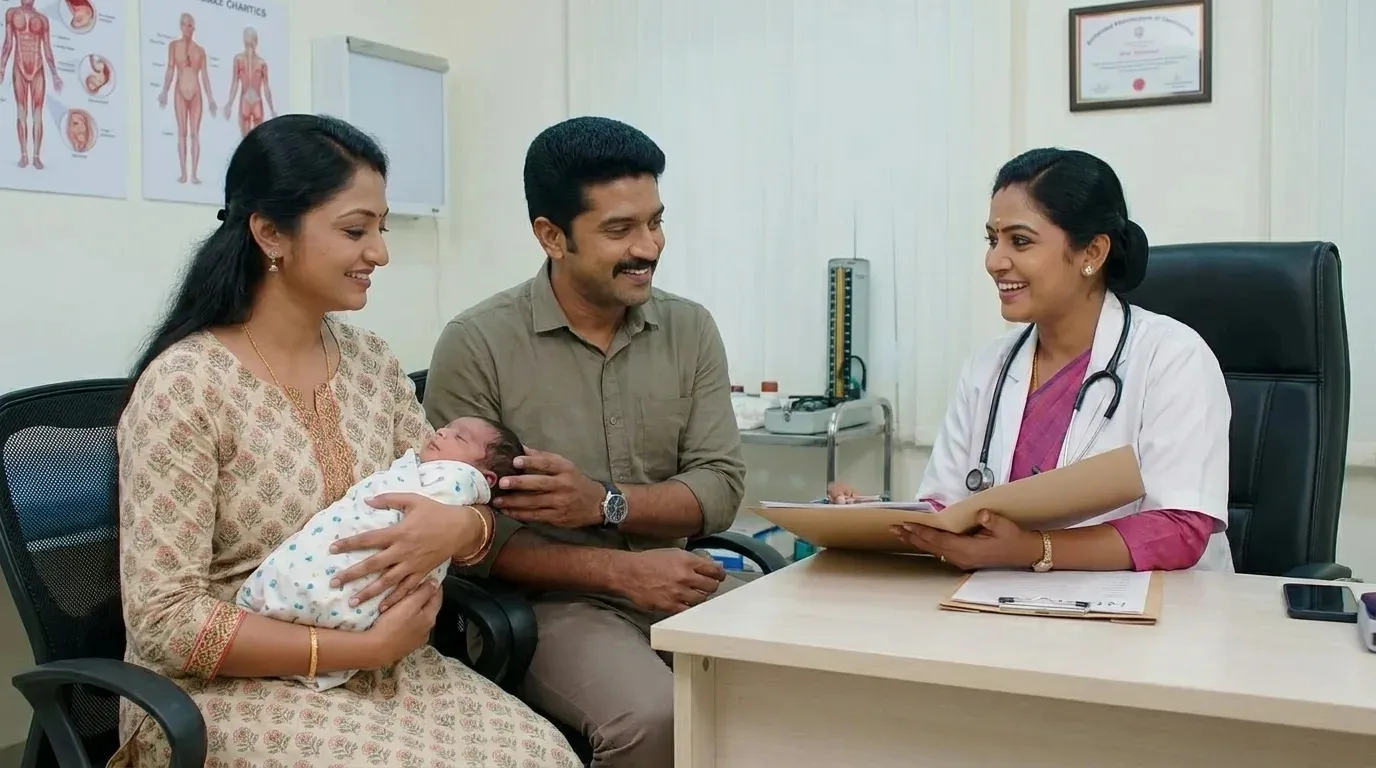
A specialist can assess the patient's condition, understand the treatment history, and help determine whether the recovery is progressing as expected. This is particularly important for older adults and people who have difficulty communicating changes in pain or mobility.
Specialist supervision also helps families avoid relying entirely on guesswork. A movement that is appropriate for one patient may not be suitable for another. Professional guidance can help ensure that exercises, walking assistance, positioning, and other recovery activities are tailored to the individual's condition.
How Orthopedic Supervision Supports Safer Recovery
Monitoring Progress
Regular monitoring allows healthcare professionals to evaluate changes in pain, swelling, movement, strength, and mobility. Small improvements can be encouraging, while unexpected changes may require further assessment.
This does not mean every concern is an emergency. Rather, professional monitoring helps families understand which changes may be part of normal recovery and which ones should be discussed with the treating team.
Supporting Rehabilitation
Rehabilitation is often an important part of orthopedic recovery. Physiotherapy may help improve strength, flexibility, balance, and functional movement when appropriately prescribed.
A specialist can coordinate rehabilitation with the patient's overall treatment plan. This can help families understand why particular exercises are recommended and how activity levels may need to change as recovery progresses.
Identifying Warning Signs
One of the most reassuring aspects of specialist involvement is knowing when to seek additional medical attention. Increasing pain, significant swelling, fever, wound concerns, sudden weakness, or a noticeable decline in mobility should not simply be ignored.
Families should always follow the patient's treating clinician's specific instructions because warning signs and appropriate responses can vary according to the condition and procedure.
What Families Should Consider When Choosing Home-Based Orthopedic Support
When researching care options for a parent, child, relative, or another loved one, I would suggest looking beyond convenience alone. A few factors can make a meaningful difference:
- Qualified orthopedic supervision: Care should be connected to appropriately trained healthcare professionals who understand orthopedic conditions and recovery.
- Individualized care planning: Recovery plans should reflect the patient's age, diagnosis, procedure, mobility, medical history, and current abilities rather than following a one-size-fits-all approach.
- Communication with the treating team: Families should know how concerns, changes in symptoms, or questions about rehabilitation will be communicated to the appropriate clinician.
- Physiotherapy guidance: If rehabilitation is required, exercises should be recommended and progressed according to the patient's condition and professional assessment.
- Clear safety instructions: Families should understand mobility precautions, medication instructions provided by the treating team, activity limitations, and signs that require medical attention.
- Follow-up support: Recovery should include appropriate clinical follow-up so that progress can be reviewed and treatment adjusted when necessary.
The Role of Orthopedic Home Care Services
For families managing recovery outside a hospital, Orthopedic Home Care Services may help bring professional support into the patient's everyday environment. This can be particularly useful when travelling for frequent appointments is difficult or when a patient needs assistance with rehabilitation and mobility.
However, home-based care should complement medical treatment, not replace necessary hospital assessment. If a patient's condition changes significantly or urgent symptoms develop, families should seek appropriate medical evaluation rather than depending solely on home care.
How Telemedicine Can Support Follow-Up
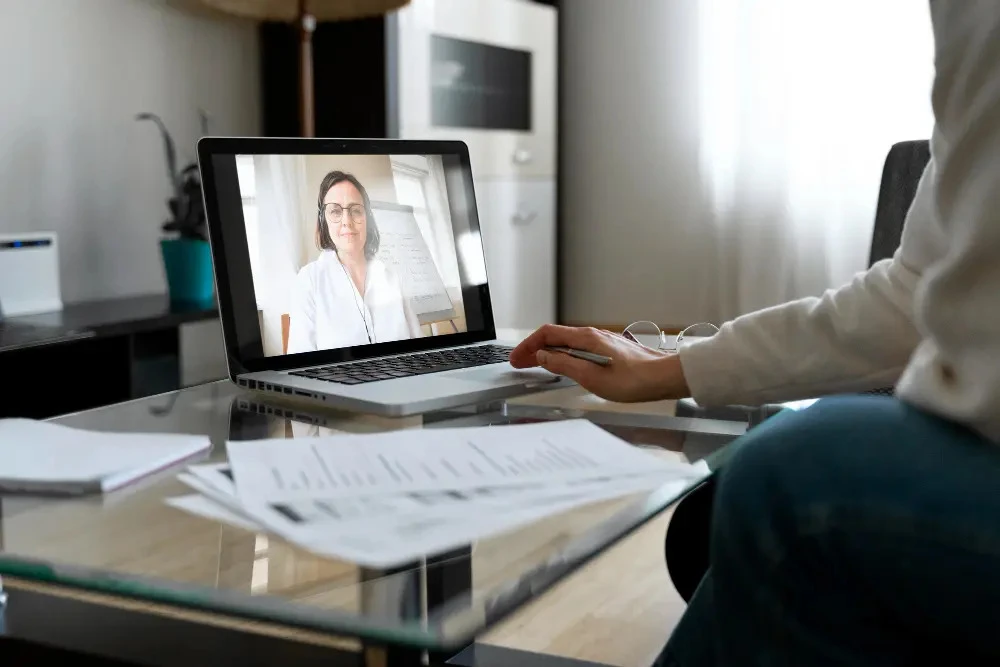
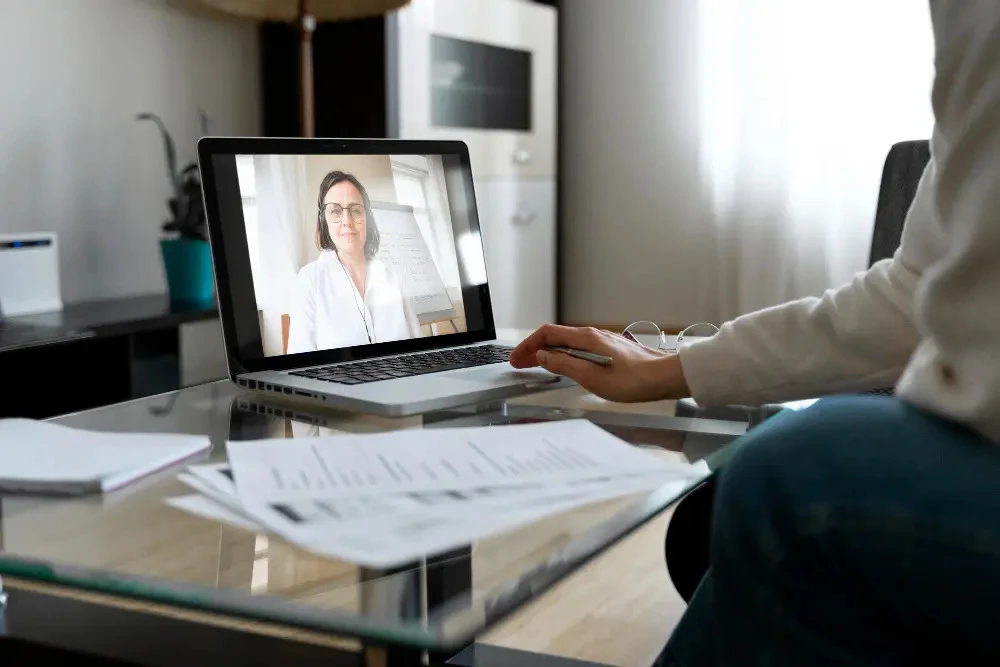
In some situations, telemedicine can make communication with an orthopedic specialist more convenient. A virtual consultation may allow the healthcare team to discuss symptoms, review recovery progress, answer questions, or determine whether an in-person assessment is necessary.
Telemedicine is not suitable for every concern. Physical examination, imaging, wound assessment, or urgent evaluation may require an in-person visit. Families should therefore view virtual consultations as one part of a broader care plan when the treating specialist considers them appropriate.
Conclusion
Recovering at home can be comforting, but families do not have to navigate every stage alone. Appropriate specialist supervision can help patients follow a safer, more structured recovery plan while giving family members greater clarity about rehabilitation, mobility, follow-up, and warning signs.
For families considering Orthopedic Home Care Services, the priority should always be qualified guidance, individualized care, clear communication, and appropriate medical follow-up rather than convenience alone.
At Soundarapandian Bone and Joint Hospital(SBJH), we are committed to providing world-class healthcare with the warmth and compassion of a family-run institution. Guided by a tradition of care, our highly skilled Orthopaedic surgeons and dedicated team work together to ensure every patient receives personalised treatment. We combine cutting-edge technology with deep empathy and ethics, striving for excellence in orthopaedics while fostering a welcoming and supportive environment for all.
Frequently Asked Questions(FAQs)
Is specialist orthopedic supervision necessary for every home recovery?
Not necessarily. The need for specialist supervision depends on the patient's diagnosis, treatment, age, mobility, medical history, and recovery needs. The treating healthcare professional can recommend an appropriate level of follow-up.
Can home-based orthopedic care replace hospital visits?
No. Home-based support can complement clinical care, but it does not replace necessary examinations, imaging, surgery, emergency assessment, or scheduled specialist appointments.
Can physiotherapy be provided at home after orthopedic surgery?
In suitable cases, a healthcare professional may recommend home-based physiotherapy. The exercises and progression should be individualized according to the patient's condition and surgical recovery plan.
When should a family contact an orthopedic specialist?
Families should contact the treating team when they notice unexpected changes such as worsening pain, increasing swelling, fever, wound concerns, sudden weakness, or reduced mobility. Urgent symptoms may require immediate medical evaluation.


























Sign in to leave a comment.