


Introduction
Many families notice small changes in a loved one’s routine long before a medical diagnosis happens. One common sign is when someone begins avoiding stairs. It may seem minor at first, but it can quietly indicate deeper joint discomfort.
As a family member, you might start noticing little adjustments. Maybe your parent takes the lift more often. Perhaps they pause before climbing steps or ask someone else to fetch something from upstairs.
These early signals are often the body’s way of asking for attention. Understanding them early can help families respond calmly and responsibly, sometimes with guidance through Telemedicine in Chennai when visiting a clinic immediately is difficult.
When Avoiding Stairs Becomes a Warning Sign
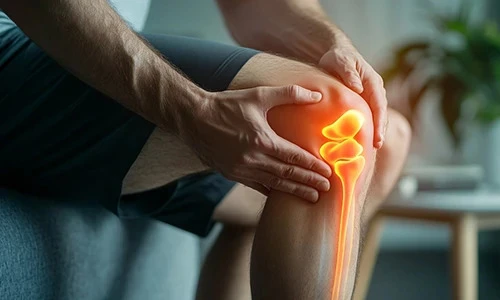
Stair climbing requires strong knee joints, balanced muscles, and stable ligaments. When the knee begins to hurt, this simple activity becomes uncomfortable.
A loved one may begin avoiding stairs without openly talking about the pain. Many older adults try to manage discomfort quietly, believing it is simply part of ageing.
Families often notice patterns such as moving slower, holding railings tightly, or hesitating before each step. These signs can indicate that the knee joint is under stress and needs medical attention.
Why Knee Pain Often Appears During Stair Climbing
The knee joint carries significant body weight during everyday activities. When someone climbs stairs, the pressure on the knee increases even more.
This extra pressure can make underlying problems more noticeable. Pain may appear during bending, standing up, or walking uphill.
In many cases, families observe that their loved one prefers flat surfaces. This avoidance often happens because stair movement requires deeper bending of the knee.
Small Signs Families Should Not Ignore
Families are usually the first to recognise subtle physical changes. These signs may appear slowly and may not always be discussed openly.
Some common signs include:
- Walking slower than usual
- Holding onto walls or railings frequently
- Complaining about stiffness in the morning
- Avoiding activities that involve steps
- Sitting down more often during outings
Recognising these patterns early can help families encourage a timely medical conversation.
How Early Consultation Can Make a Difference
When knee pain appears gradually, early guidance can help families understand what is happening inside the joint.
A medical consultation allows professionals to evaluate symptoms, lifestyle factors, and possible causes. This process helps families make informed decisions instead of guessing or relying on internet advice.
In situations where travelling to the hospital is difficult, families sometimes begin by seeking medical direction through Telemedicine in Chennai to understand the next steps.
Factors Families Consider When Choosing a Hospital
When knee pain begins affecting daily life, families often look for reliable orthopaedic care. Choosing the right hospital can feel overwhelming, especially when multiple opinions are available.
Below are some important aspects families often evaluate before making a decision.
Experienced Orthopaedic Specialists
A hospital with skilled orthopaedic surgeons brings reassurance to families. Experience helps doctors understand complex joint conditions and recommend appropriate treatment pathways.
Clear Communication and Guidance
Families value doctors who take time to explain symptoms and treatment options clearly. Transparent communication builds trust and helps caregivers feel confident about decisions.
Access to Modern Diagnostic Technology
Accurate diagnosis often requires imaging tools such as X-rays or scans. Hospitals equipped with advanced diagnostic technology can evaluate joint problems more precisely.
Comprehensive Rehabilitation Support
Recovery from knee conditions often involves physiotherapy and guided exercises. Hospitals with structured rehabilitation programs help patients regain strength safely.
Patient Safety and Ethical Care
Families often prioritise hospitals known for ethical medical practices and patient safety. Trust grows when treatment decisions are guided by patient wellbeing rather than unnecessary interventions.
Supporting a Loved One Emotionally
Physical discomfort is only one part of the experience. Knee pain can also affect confidence and independence.
A loved one may feel frustrated when everyday tasks become harder. Families can help by encouraging open conversations and offering practical support.
Simple gestures such as walking together, helping with errands, or discussing medical options calmly can make a big difference in emotional wellbeing.
When to Seek Professional Advice
It is helpful to seek medical advice if knee pain continues for several weeks or begins interfering with routine activities.
Other signs that should not be ignored include swelling around the knee, difficulty standing after sitting, or pain that worsens during walking.
Some families initially seek clarity through Telemedicine in Chennai to discuss symptoms and determine whether a physical consultation or imaging test may be necessary.
Understanding That Early Action Builds Confidence
Families often worry about overreacting when they notice symptoms. In reality, early medical discussions help prevent unnecessary stress later.
Consulting a professional early does not automatically mean surgery or aggressive treatment. Often, doctors recommend simple strategies such as exercise adjustments, lifestyle changes, or physiotherapy.
Taking action early allows families to understand the situation clearly and make decisions with confidence.
Conclusion
Noticing a loved one avoiding stairs may seem like a small observation. Yet these everyday signals often carry important messages about joint health and mobility.
When families respond early, they create opportunities for proper diagnosis, timely care, and better long term comfort. Even small steps such as seeking professional guidance can bring clarity and reassurance.
At Soundarapandian Bone and Joint Hospital(SBJH), we are committed to providing world class healthcare with the warmth and compassion of a family run institution. Guided by a tradition of care, our highly skilled Orthopaedic surgeons and our dedicated team work together to ensure that every patient receives personalised treatment. We combine the latest in cutting edge technology with a deep sense of empathy and ethics, striving for excellence in orthopaedics while fostering a welcoming, supportive environment for all.
FAQs:
Why do people with knee pain avoid stairs?
Stair climbing increases pressure on the knee joint. When cartilage, ligaments, or surrounding tissues are irritated, this movement becomes painful. Avoiding stairs is often an early sign that the knee joint needs attention.
When should families seek medical advice for knee pain?
Families should consider medical guidance if pain lasts longer than a few weeks, interferes with daily movement, or causes swelling and stiffness. Early consultation helps identify the underlying cause.
Can knee problems be discussed through teleconsultation?
Initial symptom discussions, medical history reviews, and guidance about next steps can sometimes be addressed through Telemedicine in Chennai. Doctors may later recommend physical examination or imaging if required.
What are common causes of knee pain while climbing stairs?
Possible causes include cartilage wear, ligament strain, muscle imbalance, or joint inflammation. Only a qualified medical professional can determine the exact cause after proper evaluation.
How can families support someone experiencing knee pain?
Support can include encouraging medical consultation, helping manage daily tasks temporarily, promoting safe physical activity, and ensuring the person feels emotionally supported.



























Sign in to leave a comment.