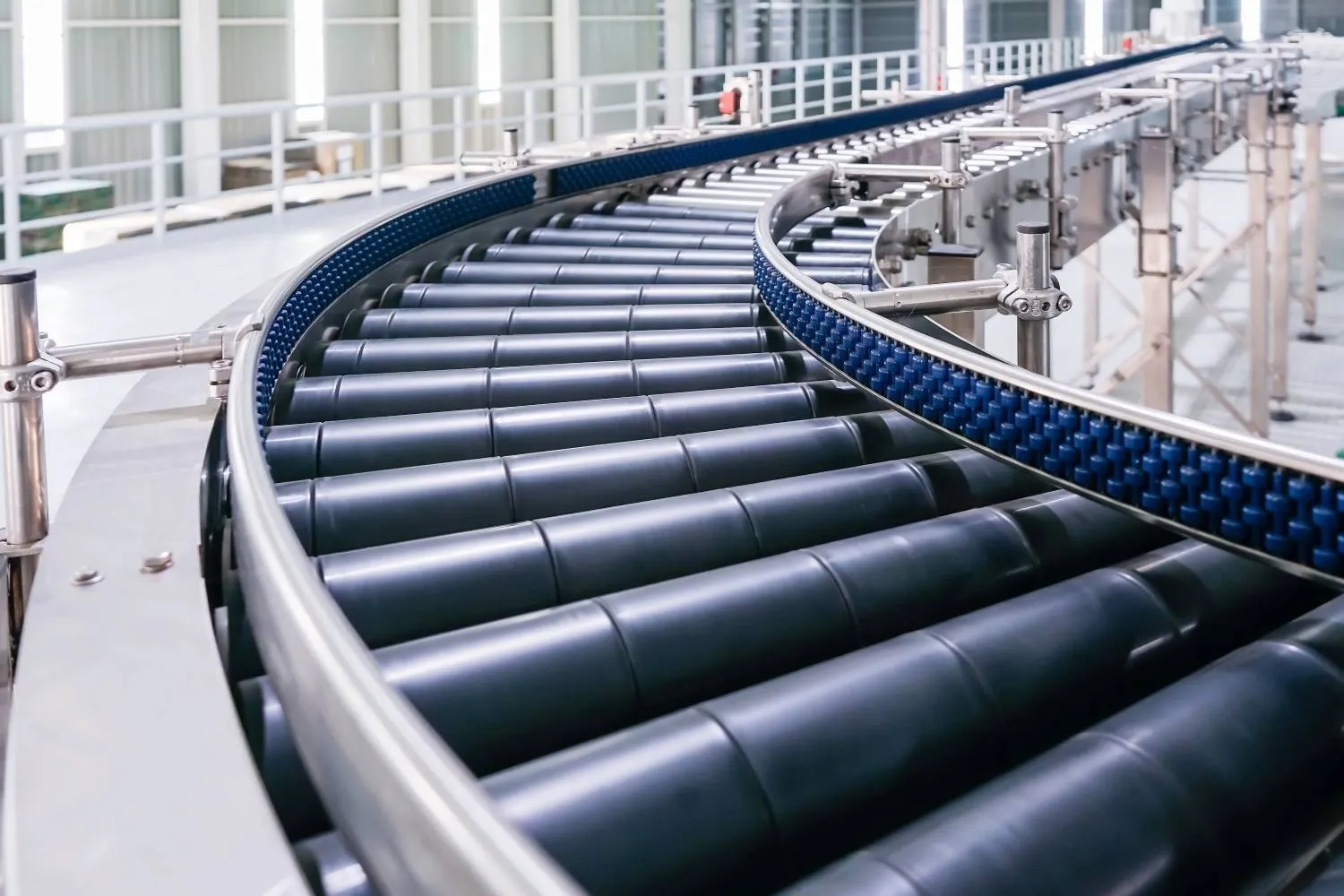

Factory movement looks simple until the floor gets busy. Once cartons, trays, parts, and packed goods begin moving through different stations, even a small slowdown can affect the whole line. Powered roller conveyors become genuinely useful. They help materials move in a steady and controlled way, which makes daily operations feel less rushed and easier to manage. In many facilities, that kind of smooth flow matters more than people expect at first. It reduces unnecessary handling, supports better timing, and helps teams focus on the actual work instead of fixing transfer problems all day. In this article, we discuss how smoother powered movement can improve flow, reduce delays, and make factory operations easier to manage.
Smooth movement often starts with better control
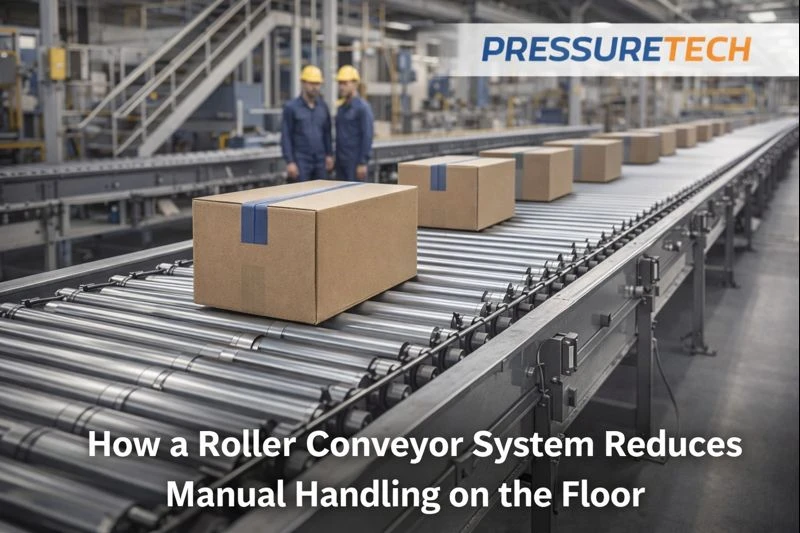
A busy line needs more than speed. It needs timing, spacing, and a transfer path that feels dependable from one station to the next. When movement keeps stopping or needing manual correction, the wider process begins to lose rhythm. Roller conveyor systems often make such a practical difference. They help create a steadier route for goods and reduce the stop-start pressure that can build during a full shift. Pressure Tech says selecting the right conveyor system is crucial for streamlining operations and maximising efficiency, which fits this idea well.
Heavier loads need support that feels reliable
As production demand increases, handling pressure usually increases with it. Items become heavier, movement becomes more constant, and workers spend more time trying to keep things flowing without delays. In those conditions, a heavy-duty roller conveyor can be especially valuable because it supports repeated transfer without making the line feel strained. That matters in practical ways. Loads move with more stability, stations feel easier to coordinate, and operators spend less effort correcting awkward movement. They say it uses high-quality materials and follows international manufacturing standards, which is important in environments where equipment needs to stay dependable under daily industrial pressure and not just look good during installation.
The right layout makes the whole floor feel easier
Sometimes the best improvement is not dramatic at all. It is simply a layout that fits how people actually work. A well-planned industrial roller conveyor line can reduce awkward carrying, shorten transfer time between stages, and help create better spacing in active work areas. Those changes usually feel small on paper, though they often make the whole factory easier to manage.
- It supports a smoother transfer between linked stations
- It reduces repeated manual effort during busy hours
- It helps create better flow in production areas
- It makes dispatch and packing feel more organised
- It lowers the chance of delays spreading across the line
Good suppliers stay useful after the handover
A conveyor system may seem perfect during planning, but the real test begins after daily use starts. That is when teams notice whether the transfer still feels smooth, whether service is easy to access, and whether help is available when something needs adjustment. That kind of support matters because reliable movement depends on more than the machine itself. It also depends on how quickly issues are handled and how well the supplier understands the real operating conditions of the site.
The Smarter Factory movement is usually built, not guessed
A conveyor solution works best when it is shaped around the actual production setup rather than copied from a standard layout. They describe it as a custom-made conveyor specialist serving diverse industries and offering in-house project execution from concept to delivery. That kind of approach matters because no two facilities handle goods in exactly the same way. Product size, spacing, pace, access, and floor constraints all change what good movement looks like. When the design fits the real environment, the whole line usually feels more balanced. That is often the difference between a system that merely runs and one that genuinely improves how the factory works each day.
Conclusion
Smarter movement inside a factory rarely comes from one dramatic change. More often, it comes from steady transfer, better control, and fewer interruptions between one point and the next. That is why these systems continue to matter. They help facilities reduce handling pressure, support smoother timing, and make daily operations feel more organised. In a busy production environment, that kind of quiet reliability can shape the whole working rhythm.
For businesses that want practical conveyor support backed by local execution, Pressure Tech Industries brings a strong advantage through custom manufacturing, in-house project handling, and dependable after-sales support. Its approach feels especially suitable for facilities that need factory movement solutions shaped around real operating conditions rather than generic layouts that rarely match the floor as well as promised.
Frequently Asked Questions
Question: When does a powered transfer setup become more useful?
Answer: It becomes especially useful when manual movement starts causing delays, uneven flow, or extra handling effort between connected stations. Facilities with steady production pressure, repeated item movement, or tighter timelines often benefit most because the transfer path becomes smoother, more predictable, and easier for teams to manage through the day.
Question: What should buyers check before making a final choice?
Answer: They should review load type, item weight, available floor space, expected throughput, maintenance access, and how the layout connects with surrounding stations. It also helps to ask whether the design is based on actual site conditions, because a suitable setup should support real daily work instead of only looking good in specifications.
Question: Why does nearby technical support matter so much?
Answer: Nearby support often makes installation, adjustment, and service much easier to manage. It can reduce response time, improve communication, and help solve issues before they affect the wider line. In active industrial environments, that kind of support adds confidence because businesses know help is easier to reach when needed.























Sign in to leave a comment.