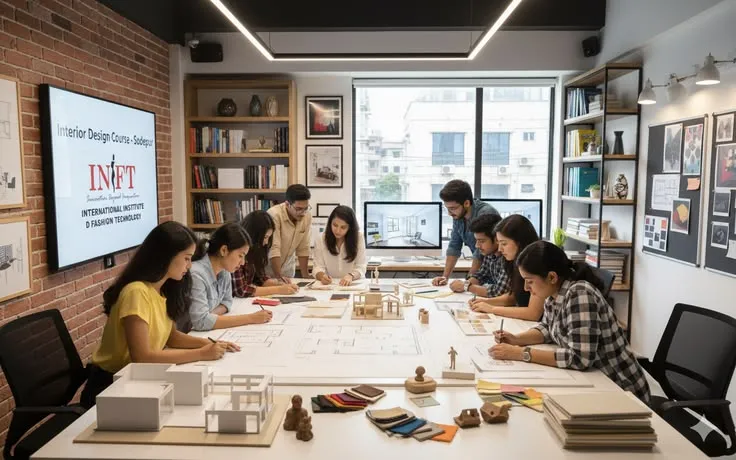

Practical interior design training is one of the most important aspects of becoming a successful interior design Choosing a career in interior design is about much more than creating beautiful spaces. It is a profession that requires creativity, technical knowledge, problem-solving skills, and real-world experience. While classroom learning helps students understand design concepts, practical training is what prepares them for the challenges of the industry. In today's competitive design field, employers and clients look for professionals who can confidently handle real projects rather than those who only possess theoretical knowledge.
This is why practical training has become one of the most important aspects of interior design education. Students who gain hands-on experience during their studies develop stronger skills, greater confidence, and a better understanding of how the industry actually works.
How Practical Interior Design Training Builds Real Confidence
Reading about design principles in books is helpful, but applying those concepts in real projects is what truly develops a student's abilities. Practical sessions allow students to experiment with layouts, colors, materials, furniture arrangements, and lighting solutions while understanding how each decision affects the final result.
Every project presents unique challenges. Through hands-on practice, students learn how to solve problems, think creatively, and make better design decisions. This practical experience helps them become more confident before entering the professional world.
Understanding Real Construction and Materials
Interior designers regularly work with contractors, carpenters, electricians, painters, and architects. Without practical exposure, it becomes difficult to understand how different materials are used during construction.
Practical training introduces students to various materials such as wood, plywood, laminates, glass, tiles, stones, fabrics, wallpapers, and lighting products. Learning how these materials are selected and installed helps future designers create spaces that are both attractive and functional.
Students also understand budgeting, durability, maintenance, and material quality, which are important factors in every successful interior project.
Software Skills Are Essential in Modern Interior Design
Technology has completely transformed the interior design industry. Clients now expect designers to present realistic 2D drawings and 3D visualizations before work begins.
Practical training allows students to work with industry-standard software such as AutoCAD, SketchUp, 3ds Max, V-Ray, Lumion, and Photoshop. Instead of simply learning software features, students gain experience by designing actual projects using these tools.
These technical skills make graduates more job-ready and improve their chances of working with reputed design firms.
Site Visits Help Students Learn Beyond the Classroom
One of the biggest advantages of practical education is the opportunity to visit real construction sites and completed projects.
During site visits, students observe how designs are executed, how materials are installed, how measurements are taken, and how professionals coordinate different stages of a project. They also learn about common construction challenges and how experienced designers solve them.
This type of learning cannot be fully achieved through classroom lectures alone.
Portfolio Development Creates Better Career Opportunities
Every interior designer needs a strong portfolio to impress employers and clients. Practical projects completed during a course become valuable portfolio pieces that demonstrate creativity, technical skills, and design thinking.
Students who actively participate in workshops, live projects, model making, and design assignments graduate with a professional portfolio that reflects their abilities. A well-developed portfolio often plays a bigger role in getting hired than academic marks alone.
Choosing the Right Institute Matters
The quality of practical training depends greatly on the institute a student chooses. Before enrolling, students should look for an institution that offers practical studio sessions, software training, site visits, experienced faculty, industry-oriented projects, and placement support.
For students searching for career-focused interior design education with strong practical exposure, software training, and industry-oriented learning, London College of Interior Designing offers diploma and degree programs designed to prepare students for real-world careers. Learn more on the official website https://londoncollegeofinteriordesigning.com/.
Practical Experience Makes Students Industry Ready
Interior design is a profession where learning never stops. Every project introduces new ideas, materials, technologies, and client expectations. Students who receive practical exposure during their education adapt more quickly to these changing trends.
They communicate better with clients, prepare professional presentations, understand project timelines, coordinate with construction teams, and deliver designs that are both creative and practical. These qualities make them valuable professionals in the design industry.
Conclusion
Practical training is the foundation of a successful interior design career. While theoretical knowledge provides essential concepts, hands-on experience transforms students into confident professionals who can manage real projects effectively.
From learning advanced design software and understanding construction materials to developing portfolios and gaining site experience, practical education prepares students for every stage of their professional journey. For anyone planning to build a rewarding career in interior design, choosing a program that emphasizes practical learning is one of the smartest decisions they can make.
























Sign in to leave a comment.