
Opening Insight
Choosing professional shed installation services often determines whether a shed performs well beyond the first year. Installation is not just about placing a structure on the ground. It is about aligning it with soil conditions, drainage flow, and daily use patterns.
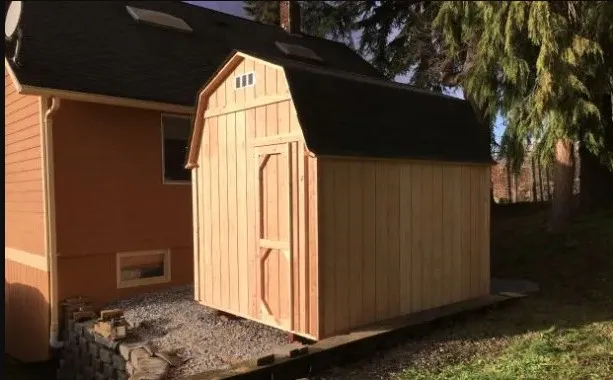
While exploring local garden sheds for sale, many options appeared similar at first. Size, style, and materials looked consistent across listings. The difference became clear only when installation details were considered. A shed installed with precision tends to remain stable, while one placed quickly may develop issues that show up gradually.
The Situation Behind Local Garden Sheds for Sale
The search started with a simple goal. Add functional storage without creating new problems in the yard.
Reviewing local garden sheds for sale showed that most options focused on the structure itself. Very few explained what happens before and during installation. That gap became important quickly.
Several risks started to stand out:
- Unclear ground preparation steps
Many assume the ground is ready as it is. In reality, soil often needs leveling, compacting, or minor grading.
If this step is skipped, the shed may sit unevenly from day one. Over time, this can cause visible tilting, stress on joints, and gaps along the base. - Limited detail on leveling methods
Leveling is often treated as a quick adjustment. It is actually a precision task.
Poor leveling can lead to doors that drag, windows that misalign, and internal framing that carries uneven load. These issues may not appear immediately but tend to develop within months. - No clear approach to drainage
Water movement is rarely discussed during selection. Yet it is one of the most important factors.
If a shed is placed in a low spot or blocks natural runoff, water can collect around the base. This increases moisture exposure and accelerates wear on structural components.
Many assume installation is simple because it looks simple. In practice, it is where most long-term problems begin.
Experience with Professional Shed Installation Services
Working with professional shed installation services introduced a different level of precision. The process took more time upfront, but each step had a clear purpose.
Key steps included:
- Detailed ground assessment before installation
The surface was checked for slope, softness, and hidden irregularities.
Without this step, a shed may be placed on ground that shifts later. That shift can create uneven pressure across the structure, leading to gradual distortion. - Adjustments for elevation differences
Small height differences were corrected before assembly.
Ignoring these differences can cause one side of the shed to carry more weight. Over time, this leads to frame stress, uneven flooring, and visible leaning. - Continuous alignment checks during assembly
Alignment was monitored at each stage, not just at the end.
If alignment is only checked once, small errors can stack up. These compound errors often result in structural imbalance that becomes harder to fix later.
Experiences like this reveal a broader industry pattern. Installation is often treated as a routine task, yet it requires technical judgment that only experienced professionals consistently apply.
Why Expert Installation Matters More Than It Seems
At first, it may seem possible to manage installation without professional input. The steps appear straightforward. The reality is more complex.
Experts bring a level of awareness that is difficult to replicate without experience:
- They recognize soil behavior, not just surface appearance
Ground that looks stable may still shift underweight. Experts identify these risks early. - They understand load distribution across the structure
Weight needs to be balanced evenly. Small miscalculations can create long-term stress points. - They anticipate environmental impact over time
Rainfall, temperature changes, and soil movement all influence performance. Experts plan for these factors during installation.
Without this expertise, mistakes often go unnoticed until they become structural issues. By that point, corrections are more complex and more costly in effort.
Specific Benefits That Became Clear Over Time
The advantages of proper installation became more visible with regular use.
- Consistent leveling across seasons
As weather conditions changed, the shed maintained its position.
Poorly installed sheds often shift after heavy rain. This leads to uneven flooring and visible misalignment. - Smooth operation of doors and hinges
Proper alignment reduced stress on moving parts.
In contrast, misaligned sheds often develop sticking doors or uneven gaps that worsen over time. - Stable flooring under load
The base remained firm even with heavy storage.
Weak or uneven foundations can cause floors to flex, which affects usability and safety.
Professionals often address small alignment issues before they grow. That early attention prevents larger problems later.
Unexpected Value Beyond Installation
The impact of professional installation extended beyond structural stability.
- Lower maintenance over time
There was no need for repeated adjustments. Everything stayed aligned as expected. - Better internal conditions
Proper placement improved airflow and reduced moisture buildup inside the shed. - Predictable performance year-round
The structure behaved consistently, regardless of seasonal changes.
Viewed from a broader perspective, installation influences not just structure but overall reliability.
Installation Defines the Outcome
Choosing professional shed installation services changes how a shed performs over time. Precision during installation reduces risk, improves stability, and supports long-term use.
The key takeaway is clear. Installation is not a final step. It is the foundation that determines whether a shed remains functional or gradually develops issues.


























Sign in to leave a comment.