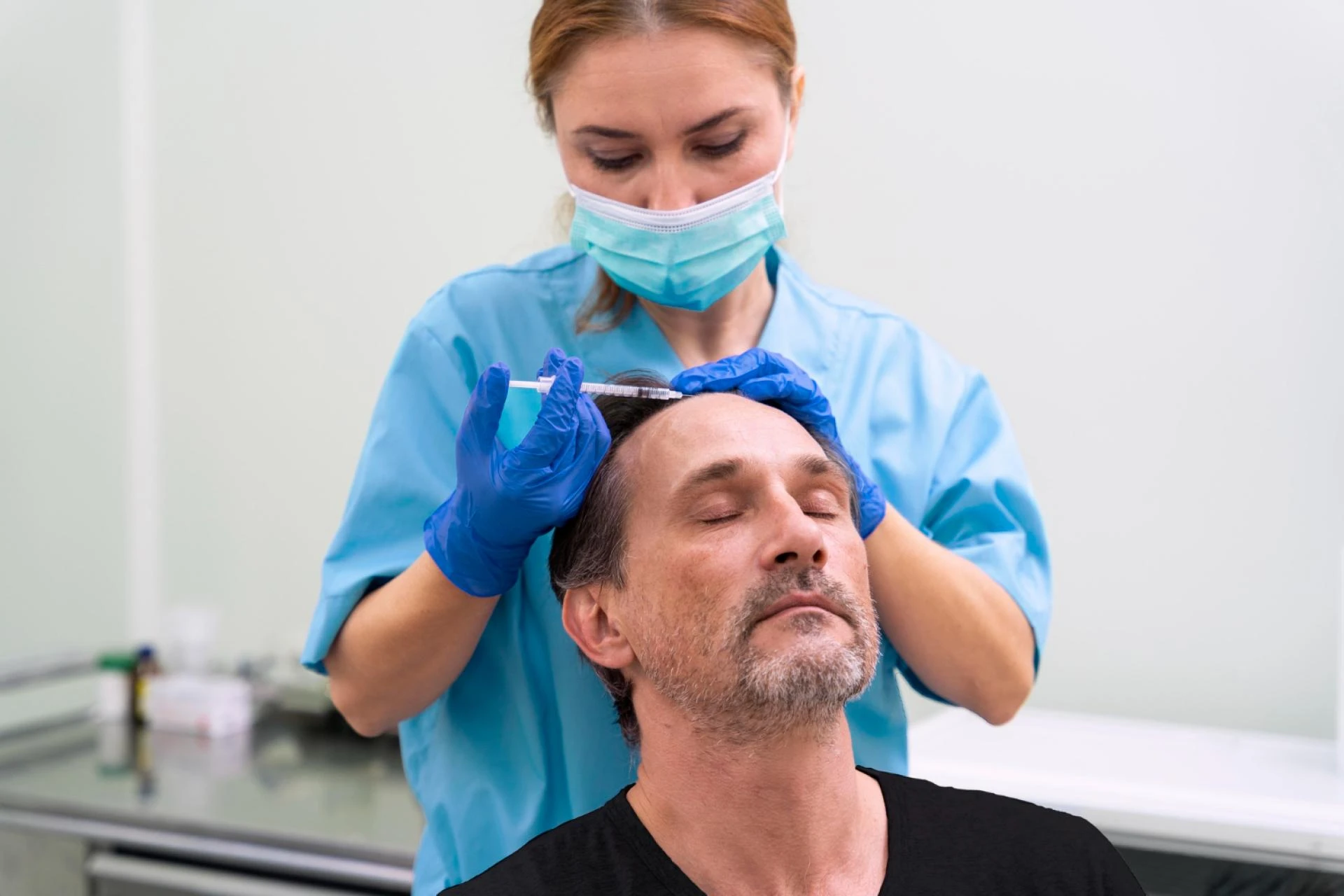

Hair transplantation has become one of the most reliable and effective solutions for treating advanced hair loss. While modern techniques like FUE and FUT offer excellent results, the success of a hair transplant does not depend only on the surgery itself. What truly enhances the outcome is the post-transplant care, and among all the supportive treatments available, PRP (Platelet-Rich Plasma) therapy stands out as the most recommended and beneficial option.
What Is PRP Therapy?
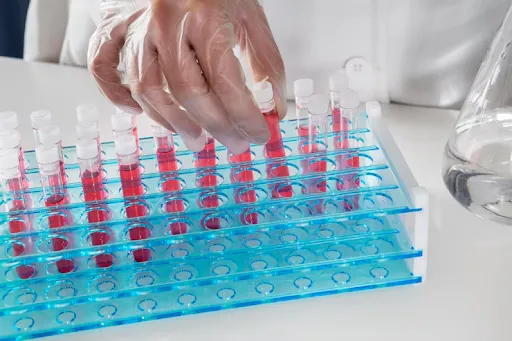
PRP therapy is a regenerative treatment where a small amount of your blood is drawn, processed in a centrifuge to isolate platelet-rich plasma, and then injected back into your scalp. This plasma is rich in growth factors, which help in healing, boosting cell repair, improving blood circulation, and stimulating hair follicle activity.
Because PRP uses your own blood, the treatment is safe, natural, and free from the risk of allergic reactions.
Why PRP Is Recommended After Hair Transplantation
1. Speeds Up Healing
After a hair transplant, your scalp goes through a recovery phase. PRP contains powerful growth factors such as PDGF, VEGF, and TGF-beta that accelerate tissue repair. These growth factors:
- Reduce inflammation
- Heal micro-wounds created during graft placement
- Support stronger and quicker recovery
This means less downtime and a smoother healing experience.
2. Boosts Graft Survival Rate
One of the biggest concerns after a transplant is ensuring that the newly implanted grafts survive and grow successfully. PRP therapy helps by:
- Improving blood supply to the grafts
- Nourishing follicles with essential growth factors
- Strengthening graft anchoring during the initial weeks
Many dermatologists recommend PRP because it significantly increases graft survival, leading to denser and healthier regrowth.
3. Promotes Faster Hair Growth
Hair transplanted through FUE or FUT typically starts growing after 3–4 months. However, PRP can encourage:
- Early growth of transplanted follicles
- Faster shift from the resting phase to the active growth phase
- Improved thickness and texture of new hair
Patients who undergo PRP alongside a transplant often notice visible improvements sooner than those who do not opt for PRP.
4. Reduces Shock Loss
Shock loss is temporary shedding of existing hair in the donor or recipient area after the surgery. While this is common, it can be worrying for patients. PRP helps minimize shock loss by:
- Strengthening existing hair
- Improving scalp health
- Increasing resilience of surrounding follicles
This ensures that your natural hair remains healthy while the new grafts settle in.
5. Enhances the Thickness of Existing Hair
Hair transplantation does not affect the quality of your existing hair. But PRP can strengthen and thicken the native hair, making your overall results look more natural and fuller. This is especially beneficial for people with thinning hair in areas around the transplant zone.
6. Minimizes Scalp Inflammation and Discomfort
Scalp tenderness and inflammation are common complaints after a hair transplant. PRP’s anti-inflammatory properties help:
- Soothe the scalp
- Reduce redness and swelling
- Improve overall comfort during recovery
A healthier, calmer scalp promotes better healing and stronger hair growth.
7. Completely Safe & Natural
Since PRP uses your own blood components, it is:
- 100% biocompatible
- Free from chemicals or artificial substances
- Safe with minimal risk of infection or side effects
This natural approach makes PRP suitable for almost every hair transplant patient.
How Many PRP Sessions Are Recommended?
Although the exact number of sessions depends on your hair condition and surgeon’s recommendation, most clinics advise:
- 1 session every month for 3–4 months post-transplant
- Followed by maintenance sessions every 6–12 months
Consistent PRP sessions ensure long-term nourishment and sustained hair growth.
Results You Can Expect With PRP After a Hair Transplant
When combined with a transplant, PRP therapy helps you achieve:
- Faster and healthier hair growth
- Thicker and stronger strands
- More uniform density
- Better overall aesthetic results
Patients report improved confidence and satisfaction because PRP enhances both the speed and quality of hair restoration.
Conclusion
PRP therapy has become a key part of the post-transplant care process due to its ability to speed healing, strengthen grafts, boost growth, and improve long-term hair density. Whether you are planning a transplant or recovering from one, adding PRP sessions can significantly enhance your results and ensure healthier hair growth.
If you are choosing the Best Hair Transplantation in Hyderabad, make sure the clinic includes PRP therapy as part of its aftercare plan to help you achieve the most natural and long-lasting outcome.


























Sign in to leave a comment.