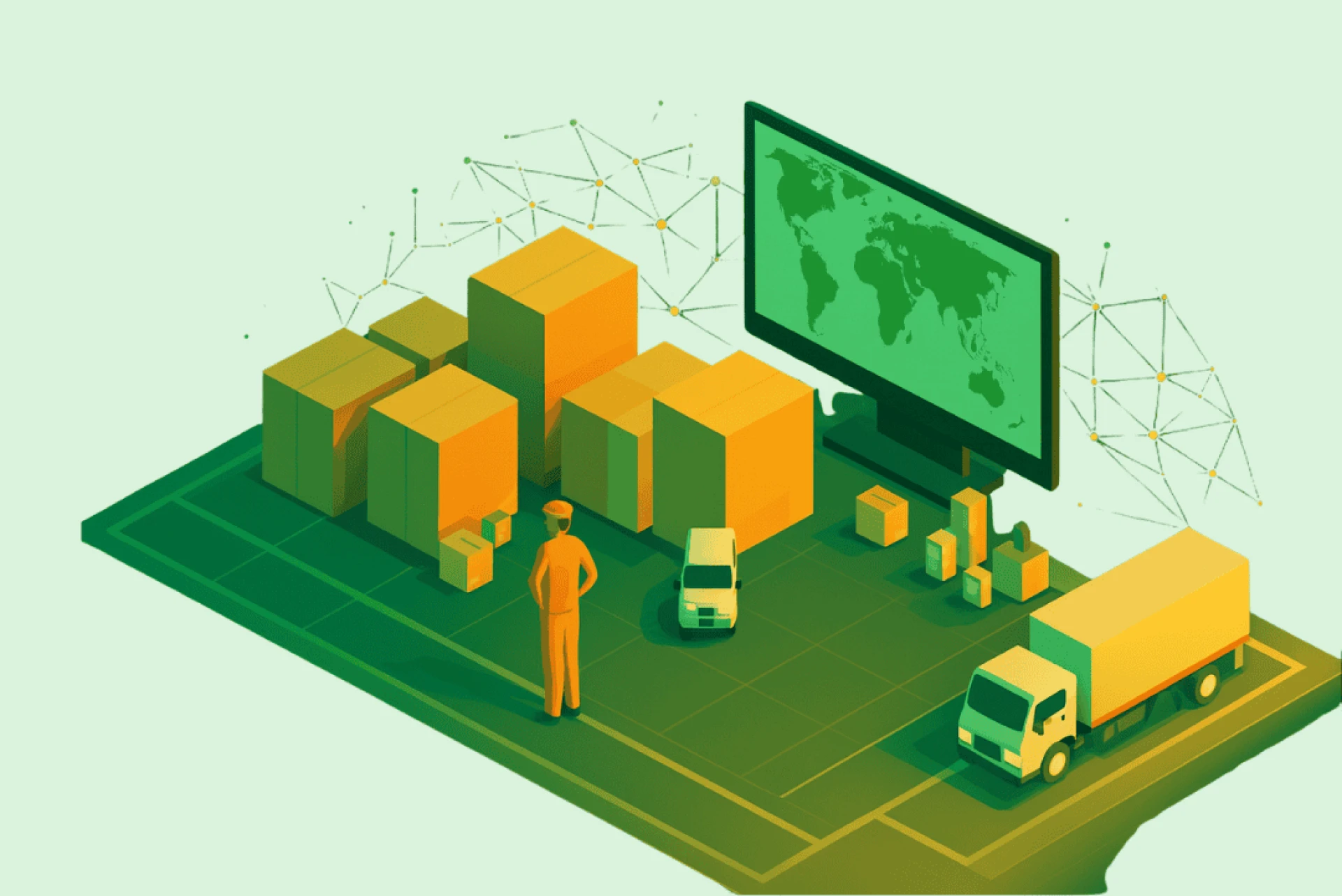

Modern supply chains are more dynamic than ever. Demand patterns shift quickly. Delays can ripple through networks. Inventory may be available in one location and out of stock in another. To keep up with this complexity, businesses are turning to Artificial Intelligence for smarter decision-making. But having AI alone is not enough. What truly powers smart supply chains is real-time perception, the ability to sense what is happening right now and act on it without delay.
This is where Agentic AI is starting to reshape how we think about logistics and operations.
What Is Real-Time Perception?
Real-time perception means the system can continuously monitor incoming data, understand it, and respond intelligently. It is not just about collecting sensor inputs. It is about recognizing patterns, identifying anomalies, and taking action while things are still happening.
In a supply chain, real-time perception can mean:
- Knowing the exact location of goods in transit
- Detecting a spike in demand at a specific warehouse
- Flagging temperature variations in a cold storage unit
- Adjusting delivery routes based on traffic or weather conditions
For an AI system to do this effectively, it needs context, reasoning ability, and a way to operate autonomously. This is where autonomous agents, intelligent agents, and the agentic framework come in.
The Role of Agentic AI in Perception
Agentic AI systems are not limited to following pre-written rules. These systems include AI agents that observe, decide, and act in a goal-oriented manner. In a supply chain, this might involve a workflow agent deciding how to reassign delivery resources, or a multi-agent system coordinating between warehouses and last-mile carriers.
Unlike traditional rule-based software, these agents operate as part of an autonomous system. They continuously evaluate new data and adjust their behavior. They do not need a full reset when something changes. This makes them ideal for fast-moving environments like logistics and inventory management.
Why Real-Time Perception Is a Must-Have
Delays in information cost time and money. Here are just a few reasons why real-time perception is crucial in AI-powered supply chains:
- Immediate Response
- When disruptions occur, real-time AI agents can respond instantly. For example, if a supplier cannot deliver a shipment, the system can look for alternatives and reroute orders automatically.
- Data-Driven Optimization
- Real-time inputs fuel continuous learning and improvement. Machine learning and data mining models update delivery schedules, reduce excess inventory, and minimize cost per shipment.
- Coordination Across Agents
- Using tools like Crew AI, different agents handle specific roles—tracking, scheduling, routing—and work together to maintain efficiency. The Model Context Protocol (MCP) allows them to share memory, context, and intent across workflows.
- Preventing Errors
- Errors in logistics often come from missing or outdated information. With real-time awareness, agents catch issues before they escalate. This can reduce mis-shipments, delivery failures, and customer complaints.
Key Technologies Behind Real-Time AI in Supply Chains
To make perception possible, AI systems rely on several components:
- LLMs (Large Language Models): Help interpret written data such as order notes, shipping instructions, or exception reports
- NLP (Natural Language Processing): Extracts insights from conversations, support tickets, and documents
- Generative AI: Generates instructions, reports, or summaries in real time
- AI technology for sensors and IoT: Connects physical assets with digital agents
- AI workflows: Automate routine tasks and decision-making across departments
When combined, these technologies help autonomous AI agents function like active team members who watch, think, and act intelligently.
Real-World Use Cases
Let’s look at how real-time perception works in practice:
- Warehouse Management: AI agents track incoming and outgoing inventory in real time. They prevent overstock and avoid shortages by coordinating with suppliers and internal systems.
- Delivery Routing: If traffic or weather changes, autonomous agents reroute drivers and adjust ETAs instantly.
- Quality Control: Sensors detect damage or compliance issues. Agents notify the quality team and suggest corrective steps.
- Customer Communication: Virtual agents use NLP to provide real-time updates to customers and handle rescheduling when delays occur.
In each case, the agents operate with memory, goals, and autonomy—hallmarks of Agentic AI.
Building AI Systems with Real-Time Awareness
To build supply chain solutions that use real-time perception, developers and enterprises need:
- A solid agentic framework
- Clear definitions of each agent’s role and decision-making scope
- Integration with real-time data sources and business systems
- Tools like MCP for memory, and Crew AI to assign tasks and maintain flow
- Access to secure and scalable Artificial Intelligence services
Yodaplus offers solutions that make this process easier and faster.
How Yodaplus AI Solutions Help
At Yodaplus, we help businesses build AI applications that work in real-world conditions. Our solutions support workflow agents, multi-agent systems, and AI workflows that stay intelligent even in high-pressure, fast-changing environments.
Our Artificial Intelligence solutions are built with tools like MCP, Crew AI, generative AI, and LLMs to give your agents memory, context, and decision-making power.
If your supply chain needs smarter agents that do more than follow instructions, talk to us. We help teams create autonomous AI systems that can sense, think, and act—just like your best operations team.
























Sign in to leave a comment.