Photographers often improve fastest when conditions are imperfect. Real-world environments remove predictability, limit control, and force decisions in real time. Unlike studios or controlled shoots, the field demands technical accuracy, situational awareness, and creative judgment at once. This is where skill stops being theoretical and becomes practical.
Western ranches and rodeo arenas in Texas are strong examples of this. They combine movement, environmental chaos, access limits, and safety constraints, elements that accelerate learning when handled correctly.
Real-World Environments Train Decision-Making, Not Just Technique
Controlled environments reward repetition. Real environments reward judgment.
In a studio, exposure rarely changes. Subjects pause. Backgrounds stay clean. In the field, light shifts, subjects move unpredictably, and moments disappear if you hesitate.
What real environments force photographers to learn
- Prioritization: deciding what matters before the moment is gone
- Speed: adjusting exposure, focus, and framing without stopping
- Adaptation: responding to variables instead of correcting mistakes later
These skills cannot be simulated. They only develop when mistakes carry immediate consequences.
Western Lifestyle Photography in Texas Is a Technical Training Ground
Western lifestyle photography in Texas blends documentary work with action photography. Subjects are working, not performing. Scenes evolve continuously, often without warning.
Dust, hard sunlight, shade transitions, and cluttered backgrounds are normal. So are missed shots.
Skills this environment develops
- Anticipating motion instead of reacting to it
- Isolating subjects in visually noisy settings
- Shooting without interrupting real work
There is little room for “fixing it later.” Photographers learn to get it right in-camera or miss the moment entirely.
What a Texas Ranch Photography Experience Teaches Beyond Composition
A Texas ranch photography experience introduces constraints that studios never replicate. Ranches are private, operational spaces. Access is limited. Safety is non-negotiable.
Photographers must work around animals, equipment, and people focused on their jobs, not the camera.
Practical lessons learned on working ranches
- Positioning: choosing safe, respectful vantage points
- Timing: reading routines instead of staging moments
- Awareness: knowing when not to shoot
This environment trains restraint. Strong images come from observation and patience, not constant shooting.
Rodeo Photography Forces Technical Precision Under Pressure
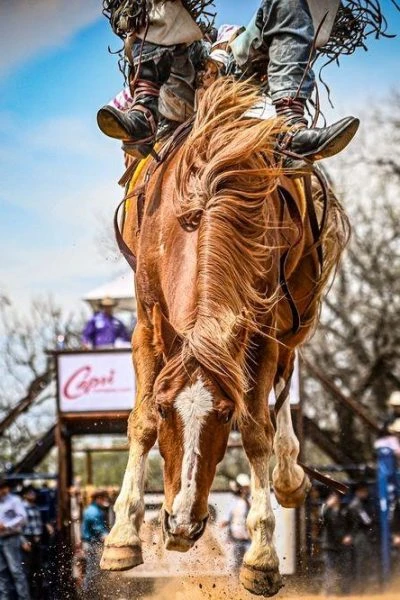
Rodeo photography is one of the most unforgiving environments for learning photographers. Subjects move fast. Backgrounds are chaotic. Shooting positions are restricted for safety and access reasons.
A rodeo photography workshop in Texas often exposes photographers to challenges they have never faced elsewhere.
Technical demands of rodeo environments
- Fast shutter speeds to freeze unpredictable motion
- Continuous autofocus to track moving subjects
- Clean framing despite fences, dust, and spectators
Mistakes are obvious immediately. Poor timing, slow reactions, or incorrect focus settings show up instantly in the images. This pressure shortens the learning curve.
Why Guided Field Experience Accelerates Improvement
Real environments are powerful teachers, but guidance sharpens the lesson. Many photographers struggle alone because they repeat the same mistakes without realizing why. Structured field experiences, such as a cowboy photo workshop in Texas, introduce observation, correction, and context.
What guided environments provide
- Immediate feedback on positioning and timing
- Exposure strategies that adapt to changing conditions
- Insight into how experienced photographers solve problems in real time
Learning accelerates when photographers understand why a choice worked, not just whether it did.
Real-World Shooting Builds Professional Habits
Beyond technique, real environments teach professionalism. Photographers learn to respect access, follow safety rules, and understand usage boundaries. They learn when to step back and when to move quickly. These habits matter as much as sharp images.
Professional skills developed in the field
- Working within access and safety limits
- Respecting subjects and environments
- Making efficient decisions under pressure
These skills separate dependable photographers from capable hobbyists.
The Field Is Where Skill Becomes Instinct
Photographers improve most when they work where conditions are uncontrolled and outcomes are uncertain. Ranches, rodeos, and Western lifestyle environments demand attention, discipline, and adaptability.
Over time, repeated exposure to real-world complexity builds instinct. Decisions become faster. Mistakes become fewer. Confidence comes from experience, not theory.
That is why photographers serious about growth eventually seek the field, because real environments don’t just test skills. They build them.


























Sign in to leave a comment.