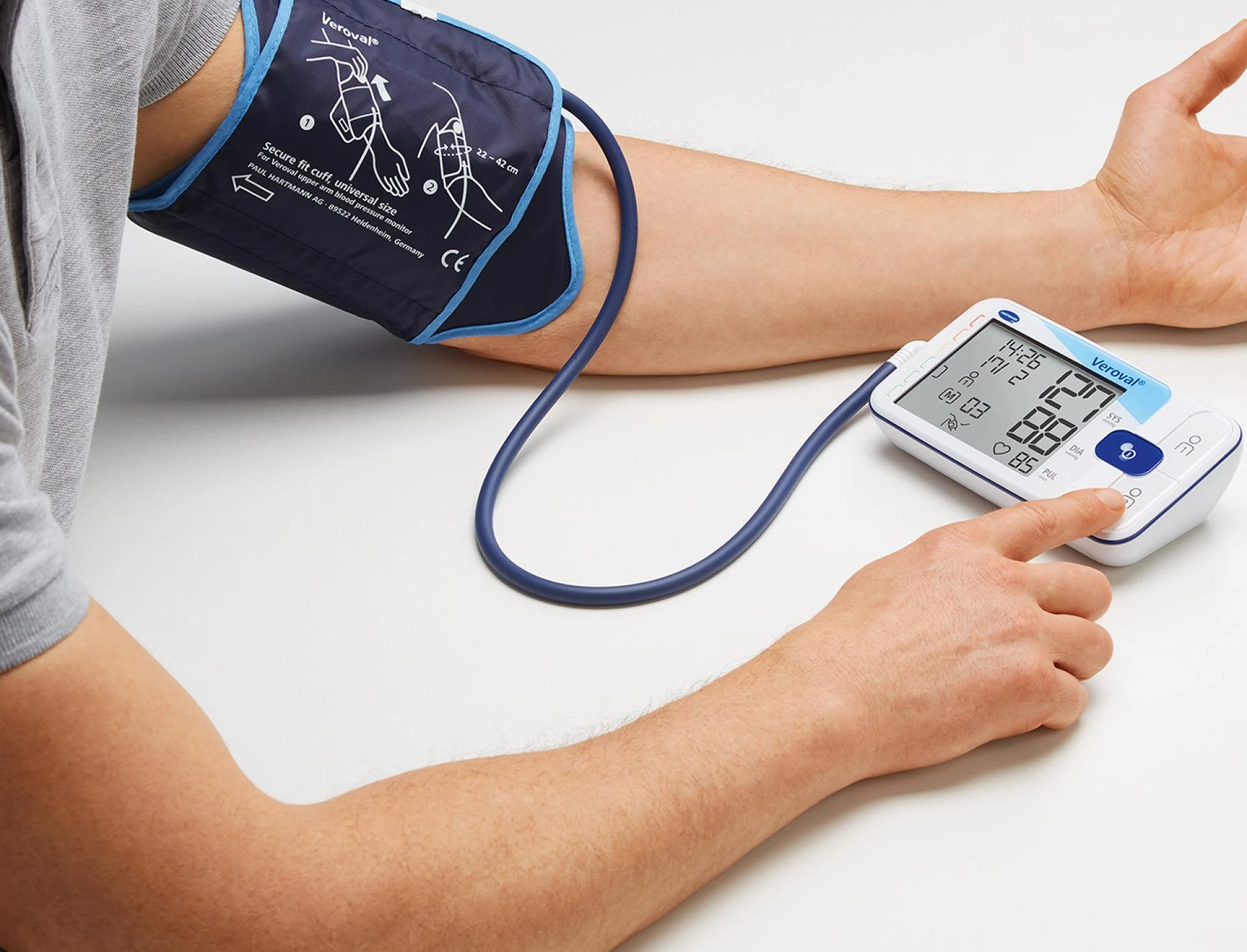
Regular blood pressure monitoring is essential for maintaining long-term health, particularly for preventing cardiovascular diseases and managing conditions like hypertension. High blood pressure, often called the “silent killer,” can develop without noticeable symptoms but lead to severe complications such as heart attack, stroke, or kidney failure.
Early Detection of Hypertension
Hypertension often goes undetected because it does not present clear symptoms. By regularly monitoring blood pressure at home, you can identify early signs of high blood pressure. This allows for early intervention, whether through lifestyle changes, medication, or both, which can significantly reduce the risk of heart-related issues down the line.
Preventing Serious Health Conditions
Chronic high blood pressure can damage arteries, the heart, kidneys, and other vital organs. Without consistent monitoring, it is easy to overlook the gradual rise in blood pressure until it becomes critical. Regular readings can help you stay on top of your health and prevent these long-term complications by detecting any abnormal readings early.
Managing Existing Health Conditions
For those already diagnosed with high blood pressure, routine monitoring is key to managing the condition effectively. Regular checks provide insights into how well your treatment plan is working and whether any adjustments are necessary. This can include changes in medication, diet, or exercise habits. Monitoring ensures you stay within a healthy range and prevents blood pressure from spiraling out of control.
Empowering Lifestyle Changes
Blood pressure readings provide direct feedback on how lifestyle changes affect your health. For example, reducing sodium intake, quitting smoking, and increasing physical activity can all have immediate effects on blood pressure. Having access to these results motivates people to stay on track with their health goals, leading to better outcomes. Without monitoring, it’s easy to lose track of progress or overlook the need for adjustments.
Increased Awareness and Accountability
Regular blood pressure monitoring creates a greater sense of accountability. When people see their numbers consistently, they are more likely to stick with prescribed treatments, take medications on time, and follow recommended lifestyle modifications. It acts as a daily reminder to prioritize health, reducing the likelihood of neglecting blood pressure management.
Register Here
Better Communication with Healthcare Providers
Having accurate, up-to-date readings allows for better communication with your healthcare provider. By sharing your home-monitored blood pressure data during appointments, your doctor can assess your condition more effectively and make well-informed decisions about your treatment. This collaborative approach leads to more personalized and effective care, reducing the chances of health complications.
Reducing Anxiety Around Doctor Visits
Many people experience anxiety at the doctor’s office, which can cause temporary spikes in blood pressure, known as “white coat syndrome.” Regular home monitoring helps mitigate this effect by giving individuals a more accurate picture of their true blood pressure. Tracking your measurements in a calm environment also allows for more consistent and reliable data.
Convenience and Accessibility
Monitoring your blood pressure at home offers convenience and accessibility, eliminating the need for frequent visits to the doctor’s office. You can measure your blood pressure at any time of day, without the hassle of waiting or traveling. This ease of use ensures you are actively managing your health without interrupting your daily routine.
Conclusion
Regular blood pressure monitoring is a cornerstone of long-term health management. It allows for early detection of hypertension, better management of existing conditions, and proactive lifestyle adjustments. By empowering individuals with real-time data, it increases awareness and accountability, improves communication with healthcare providers, and prevents serious health complications. Whether you’re managing hypertension or simply maintaining optimal health, consistent monitoring can significantly improve your quality of life and long-term well-being.




























Sign in to leave a comment.